Showing posts with label Famous Places. Show all posts

Tuesday, March 24, 2015

From Rubbish Art to Masterpieces

P1350834_Fotor

Stains of dirt and residues of the rainwater dripping down these once-white washed brick and lime plastered walls are evident, stripping the pre war buildings and shop houses of their former glory.
Perhaps they were once majestic in their past; concealing the untold stories as they stand in their place, bearing witnesses to the many events and even tragedies which unfold before them.
Today their dilapidated state is a sure giveaway of their age and sorry states, as they stand in the bleak part of the town, casting gloomy shadows of themselves as they are no longer at the prime of their youth nor are they the center of the limelight, but instead they are today sore to the eyesight, and no one would even take a second glance at them.
They are only known as the old buildings; thrown into the background as urbanization and modern buildings step into take their places and the only attention they are getting are from the people who call them hazards to the society and placed them on the list of demolition, paving that way for their blueprint plans of sky high buildings adorned with glass windows and ceilings in their places.

There is no escaping that fate, and they are screaming, weeping tears in silent protest of their own extinction; pained by the cruelty of their fates and also the fact that their contributions, deeds and reasons of existence have been forgotten in that blink of an eye. They are no longer important; that message was clear and the recognition of their past (or lack of) is clearly almost nonexistent.
They were nothing but just remnants of trash to be taken out to clear out the backyard; all in the name of modernization.

Their futures are bleak and they moan their distasteful eviction from the present but no one heard their cries. Their existence no longer means anything.
One man changed everything.
With a touch of his brush and creativity, he gave life again to these walls.
He saved them with his grace of painting and brought back feelings of exuberance and reformation to the town.
With just one brush.

A joint effort between the municipal of Georgetown and this budding young Lituanian artist, Ernest Zacharevic took on the bold challenge to transform the historical town, also the capital of the famous Pearl of the Orient, the Penang island located on the north of Malaysia, with just a few paintings to inject that fresh breath onto the yellowish pages of the town.
It started with six paintings; and the local council granted the artist the permission to begin his project, painting, on, get this, the old street walls.

The old dilapidated walls are the artist’s canvas for him to unleash his talent and creativity.
It is a winning situation for many parties, if you come to think of it; the town gets another identity and an overnight sensation of catapulted fame, the local authorities reap from the boost in tourism, the artist gets to showcase his talent and a chance at fame, the owners of the shophouses, well, get a fresh coat on their sorry walls, and the walls, are, now, priceless and saved from their intended evil destruction.

It was a huge success, probably more than the original plan.
Ernest Zacharevic proved to be an incredible talent with his strokes, and he had painted realistic and remarkably heartfelt depictions of the local scenes.
His paintings drew the locals and tourists from all over the nation and worldwide to throng the island in droves.
It was amazing, the way his paintings; his street art or murals, evoke emotions and memories of the local scenes which is perhaps, the very reason for drawing his audience (art or even non-art enthusiasts) to flock to each location of his art like opposite sides of the magnate.

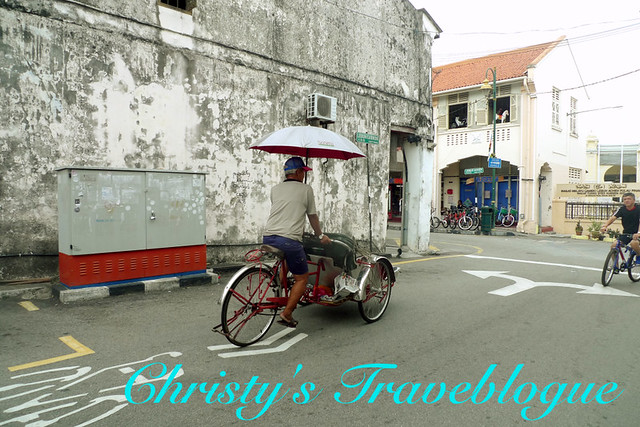
From the “Boy on a Bike” to the “Little Children on a Bicycle” and the striking “Awaiting Trishaw Pedaler”, the location of these walls became instant tourist spots and dot the traveler’s map, topping the list of the places to visit, or must visit in Penang.
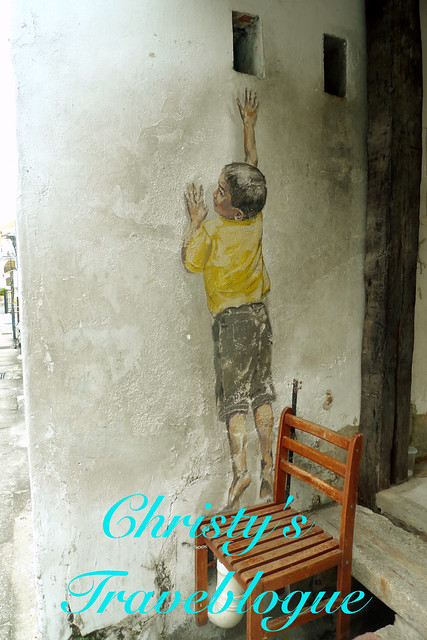
P1350828_Fotor
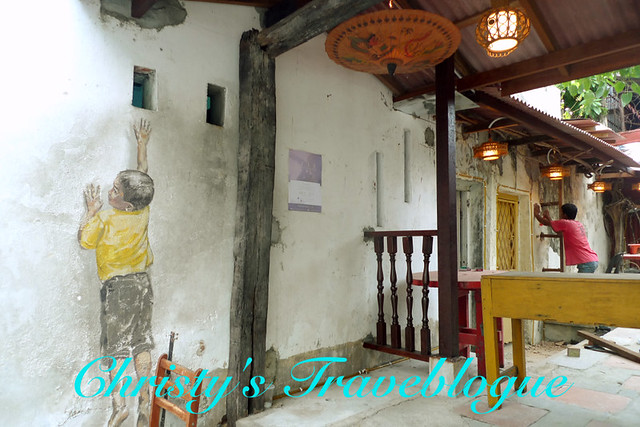
Another piece, "Reaching Up" found on one of the walls and have been featured in one of the Hong Kong drama

Already a tourist destination in its heydays due to the crowns of “Food Paradise” and heritage status (Penang is recognized and honored as a UNESCO Heritage Site since 2008), along with its longstanding tiara of being nicknamed as the Pearl of the Orient due to its many wonders (nothing could be better than that; in fact the island is almost unbeatable in its fame compared to its minute size on the map), the island continues to enjoy more attention worldwide and welcoming visitors from all over the world.
The spike in tourism delighted the locals and businesses continue to prosper, and there is no longer a difference in weekends and weekdays for there are always foreign folks on the island throughout the year.

The locals were the first to pay homage to these artistic paintings, of course, though there were also many who have not been. It is always as such, for the locals are always the comfortable in their own backyards and believe that they are always going to be there.
After all, it is their hometown, isn’t it?
Tourists are excited to stalk the spots where the wall art are located, and it became sort of an activity of treasure hunt, or rather, wall art hunt, as everyone follows the trail, preying on one mural after another.
Technology has definitely helped to spread the reputation of these street murals; with the creativity of poses and postings to social media accounts such as Facebook, Instagram, Twitter, and Pinterest.

The walls have definitely been restored to its former glory, though they have been reinstated with a new breath of identity altogether, with that coat of illustration and colors on their faces.
Well, at least, it did well to mask their fears and insecurities, and also the misery of their former selves.
The walls can now breath a sigh of relief, and continue to smile as they are now, right smack, thrown into the limelight and perhaps, they might now silently wish for a moment of silence, once in a while.

The surge in the overnight fame of the street wall art catapulted its artist, Ernest Zacharevic into stardom, as he rides on his new fame; holding his art exhibition on the island as well.
It probably also inspired many others to have a go at demonstrating their skills, transpiring the many more unknown paintings and murals to emerge on the street walls over time, and perhaps, at an alarming rate too. The growth of these murals makes it difficult for many to distinguish between the real McCoy from the decoys.
Perhaps there are many more Ernest Zacharevics out there, or they are just wannabes, trying their luck to be someone one day.
However controls are exerted, for unauthorized paintings on the public street walls constitute acts of vandalism and is a breach of public responsibility, and definitely, illegal by all means.

Once regarded as an act of vandalism; street paintings (or perhaps some form of beautified graffiti) on public street walls, are now given a new name in justice, with their contributions to the local tourism.
They are now known as Street Art/Mural.

Ernest Zacharevic has popularized street art, and given a fresh perspective to as he calls it, rubbish art, but he has definitely given them their due credit.
It is not just with a flick of brush, but it comes with talent and skill, and of course, that burst of creativity.
Let’s not forget about opportunity either, for there are so many talented people out there who remain unrecognized and perhaps underrated for they never had the opportunity.

Given the opportunity and the permission, rubbish or street art can become tourist and social media worthy of attention but remember, doing it on your own and without the right approval, it is still a crime and one is just asking for trouble.


Thanks to Ernest Zacharevic, these street art has unveiled the beauty of Penang to the world, through her very own eyes, or walls, if you may, of the simplicity and exuberance of the lives here, a secret well kept by the locals and now, proudly illustrated for the world to see.
P1350826_Fotor
What a coincidence when I captured this photo, definitely not planned in my "accidental photo shoot"!


**Most of the street art by Ernest Zacharevic are located in the UNESCO Heritage site of Georgetown; mainly centering in the Armenian Street enclave, bordering  Weld Quay and its vicinity. **

Tuesday, February 10, 2015

Wonders of Grand Canyon

P1300518_Fotor

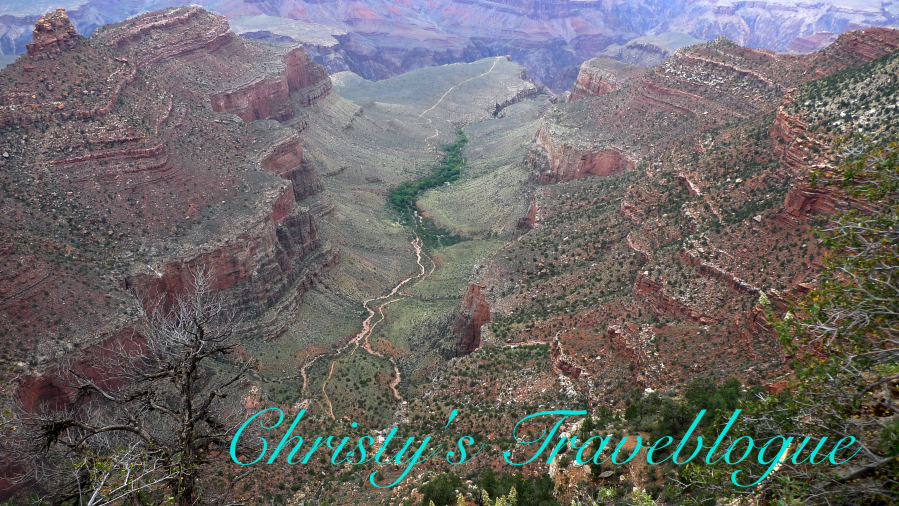
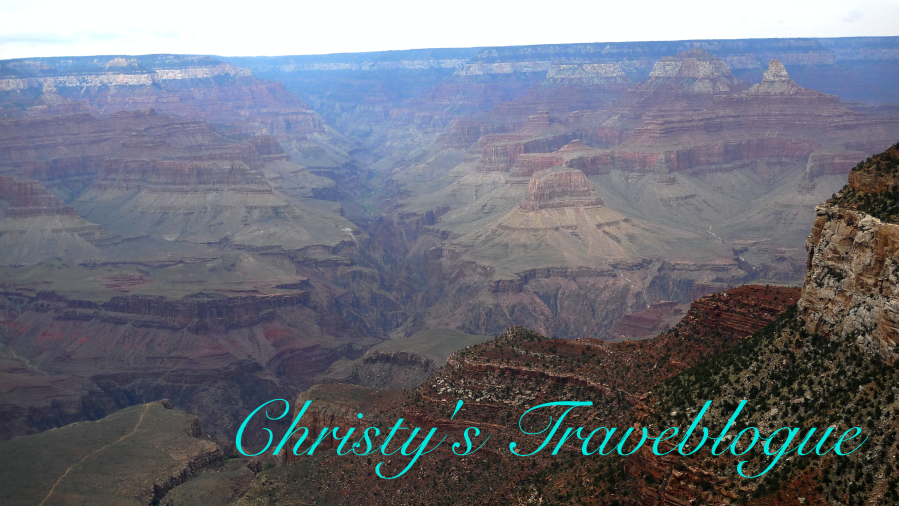
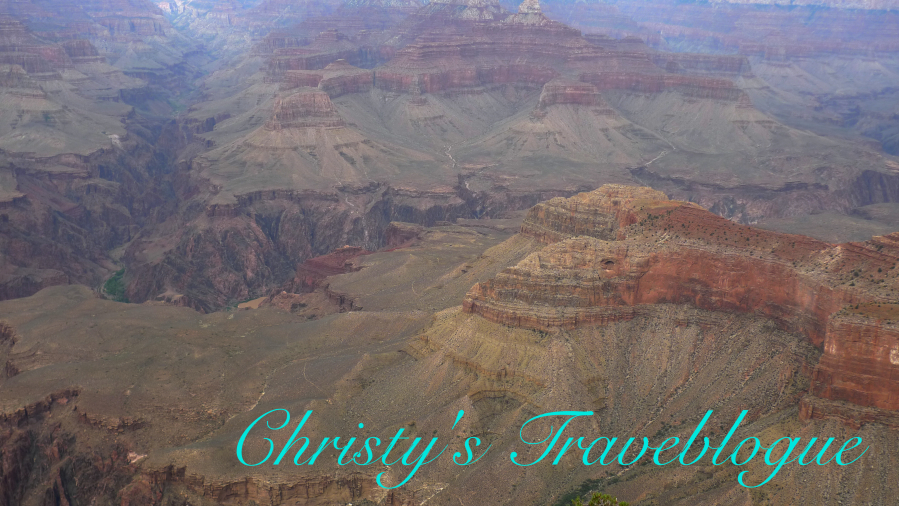
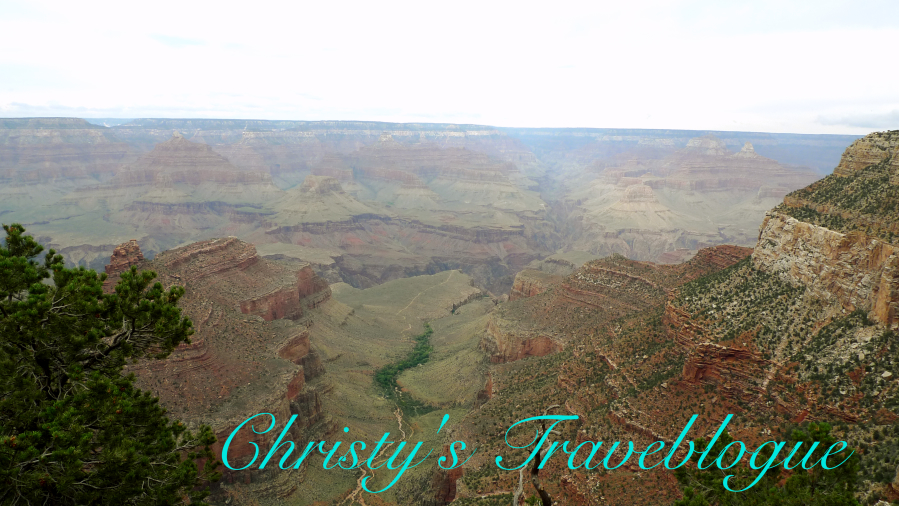
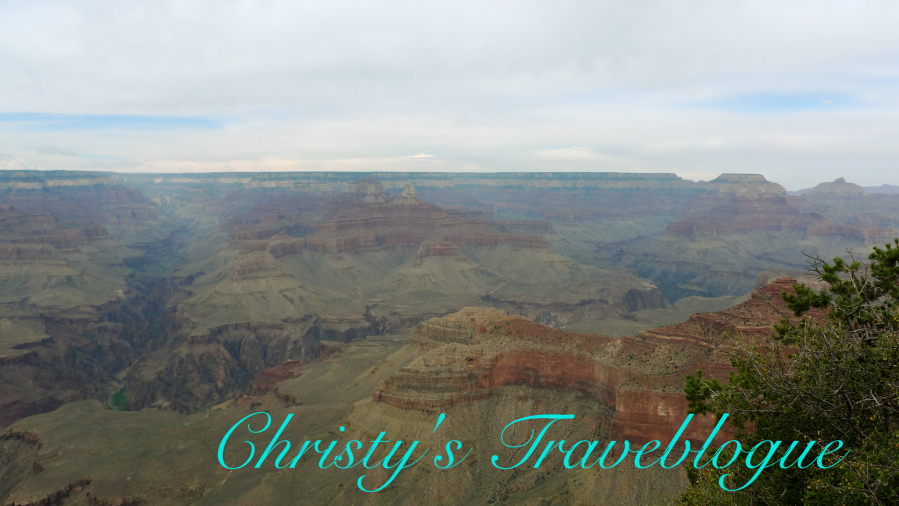
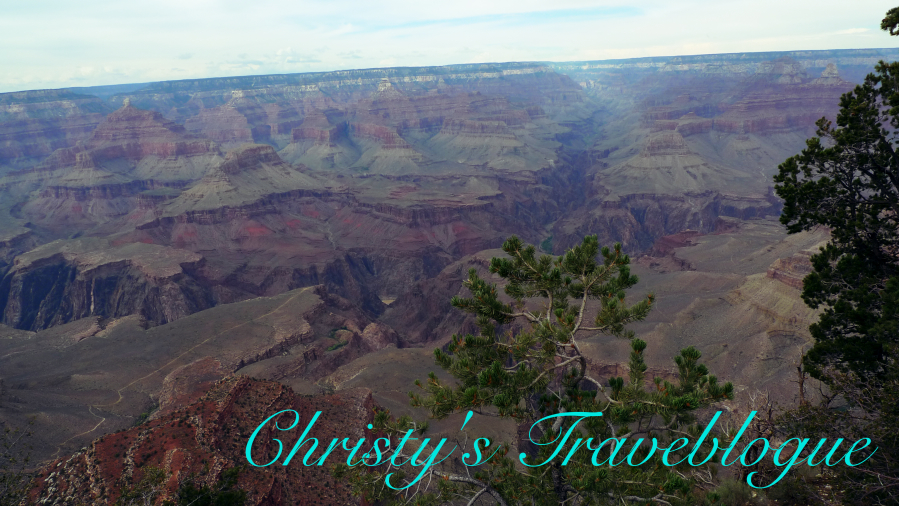
A natural landmark that fills me with awe, backed by its astounding history dating back to almost 20 million years of geological changes and processes to its amazing and breathtaking formation today.

Grand Canyon is aptly named, and lived up to the glory of its given adjective description, or more, for this is one sight to impress, with the splendor and beauty of the carefully crafted landscape and all entirely works of nature. It does seem its grandeur in physique is paled with just one single adjective to describe its wonder.

P1300523_Fotor

It is impossible not to be captivated or be entranced by the impressive sight when one stands and take in the scene, and everyone who has been to the Grand Canyon National Park to witness the amazing Grand Canyon can attest to that, and the list is endless.
Even President Theodore Roosevelt was taken by awe, an impression further strengthened by his words quoted, when he visited the site in year 1903.
 "The Grand Canyon fills me with awe. It is beyond comparison—beyond description; absolutely unparalleled throughout the wide world... Let this great wonder of nature remain as it now is. Do nothing to mar its grandeur, sublimity and loveliness. You cannot improve on it. But what you can do is to keep it for your children, your children's children, and all who come after you, as the one great sight which every American should see."


P1300548_Fotor

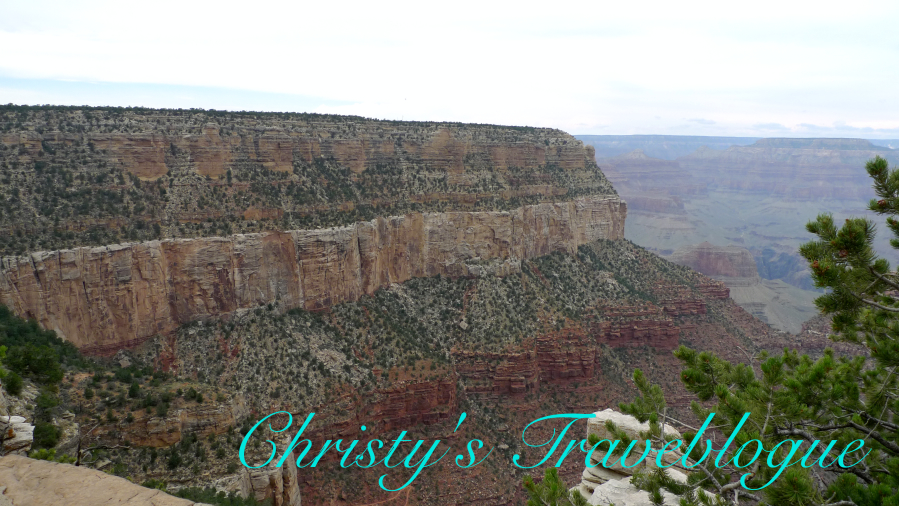
Grand Canyon owes her attractive attributes to the Colorado River and the elevation of the Colorado Plateau, a process which took millions of years with the many branches of streams stemming from the main Colorado River penetrating and slicing the channels across the plateau by the layers. The activity occurred in continuity and slowly led to the formation of the natural shape of the boulders evidently displayed in the enthralling landscape of the canyon.
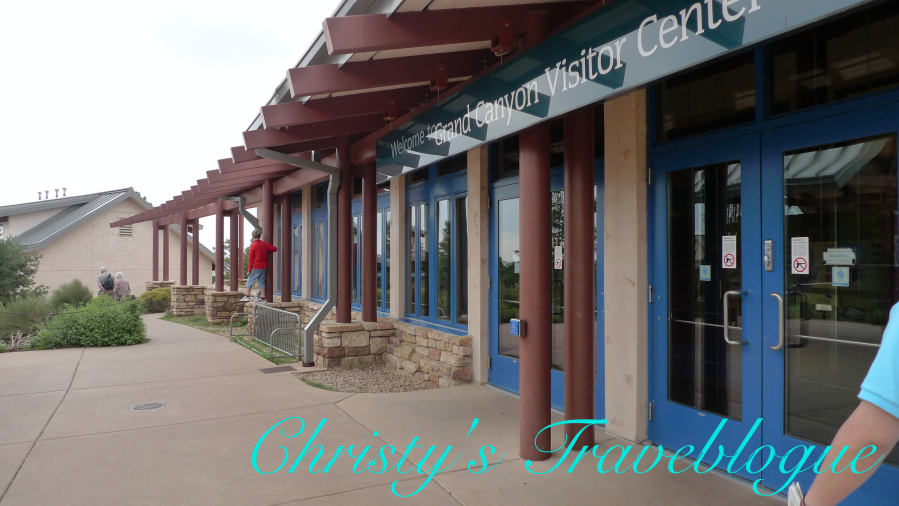
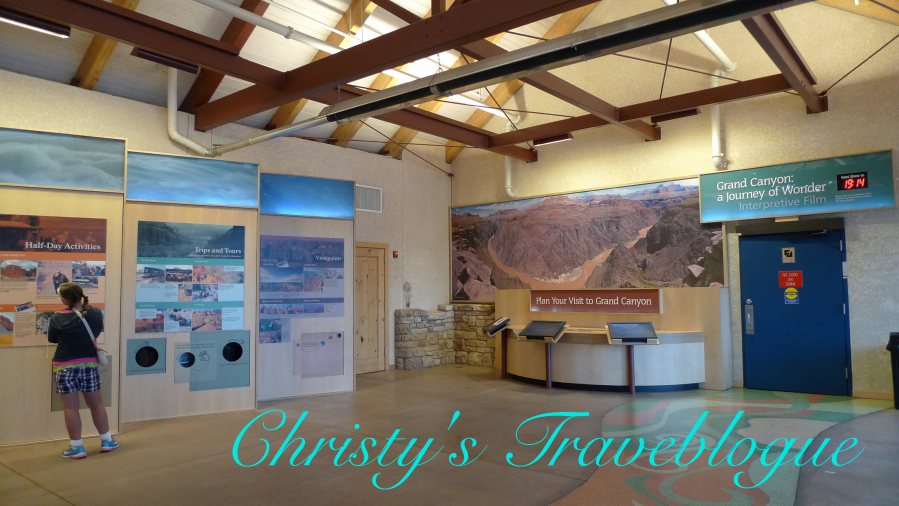
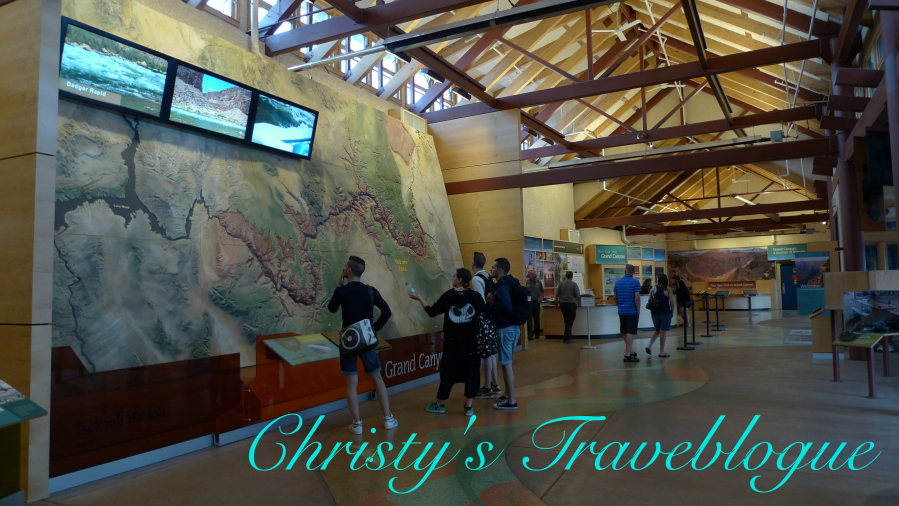
The technicalities of the formation and the scientific facts of the Grand Canyon is an interesting read, with most of the elements associated with the field of geology, and one can even take a tour in the Grand Canyon Visitor Center located at the South Rim of the canyon where large boards display the facts and stories behind the Grand Canyon in a detailed and interactive manner.


P1300509_Fotor

(Inside the Grand Canyon Visitor Center)
P1300514_Fotor

P1300511_Fotor


While the Grand Canyon can be viewed from its North and South Rim, it is the latter which is brimming with activity and provides one of the more spectacular views of the canyon, and the former is a much quieter zone, though it can still be accessed by the Arizona State Route 167.
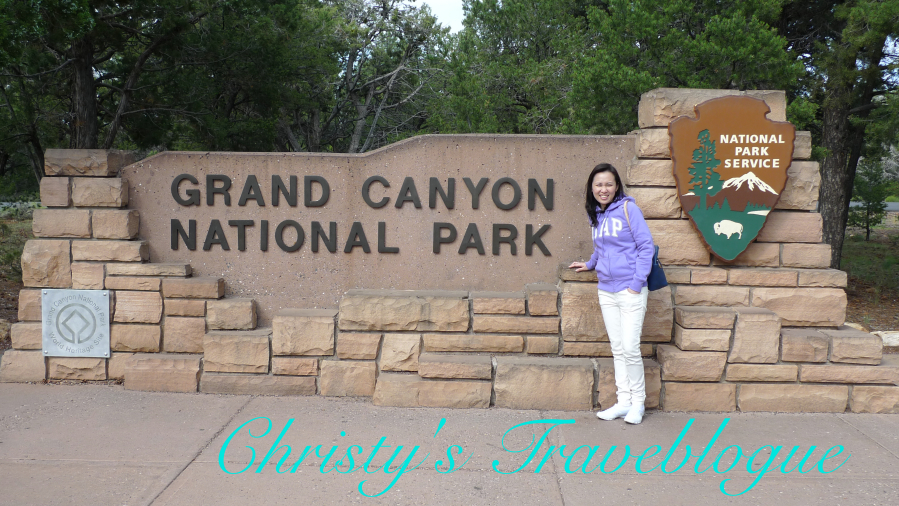
The South Rim is popular probably due to the establishment of the Grand Canyon National Park, which drew most of the visitors and geology enthusiasts to the site with the availability of accessibility and resources (or view) of the Grand Canyon.

P1300569_Fotor

P1300526_Fotor


The technicalities behind the entire story of the canyon’s formation could take more than a simple post to describe, and I may not be the best expert to explain but simply put, if one is imagining or wondering the sight of a canyon, just think of a super sized basin or a bowl.
It is basically a river basin; which is formed by continuous processes of erosion.
Think of the water, flowing from streams, gently touching the rocks as it flows, and as time goes by, it erodes (practically lightly ‘eating’ away at the surface of the rocks, causing some parts to diminish or deform). The process is not an immediate one to the naked eye, and takes years, millions of years to create an impact, which explains the timeline of the formation of the Grand Canyon which dates back to, and well, debated still, to an approximate of 17 millions of years ago.
The multiple layers of the canyon are also caused by the uplifting of the plateau, filled with dense forests and the crossing, or intersections of multiple streams (also known as tributaries) cutting across the rocks, gently or deliberately forming the natural shape of the walls which appear like the side of the basin and that, forms what we term as the canyon.

P1300528_Fotor

The Grand Canyon is indeed a sight to behold, and is the pride of the state of Arizona, in which it is located and no doubt, of the United States of America as well.  
The beauty and wonder of the natural landmark is so treasured that it is under the federal responsibilities to preserve it, and as their former President Roosevelt mentioned, “for generations to see”.

While the Grand Canyon had nestled in the heart of the Americans long ago, it was only in 1919 that the Grand Canyon National Park was officially established.
President Theodore Roosevelt had it in his best interests to preserve this amazing beauty but it was years before the natural preserve park saw daylight. Bills were submitted to create the Grand Canyon National Park, and the park was even considered the second to the Yellowstone National Park in the United States of America.

The Grand Canyon National Park Act was put through and successfully approved by President Woodrow Wilson, and thus became one of the most visited attractions in the nation, attracting tourists from the nation and worldwide to witness the magnificent wonder that America stands proudly for as it sits on their land.

Americans, and the state of Arizona have every reason to be proud, for the Grand Canyon National Park was not only one of the nation’s oldest national park, it is also recognized and announced as one of the UNESCO heritage sites in the world.
If that is not enough, the Grand Canyon even earned its spot and put on the list to be considered as one of the World’s Natural Wonders, or famously known as the Seven Natural Wonders of the World.
While the list evolves with a few exceptions of permanent residents, to be even considered to make it to the list is honorable enough and says much about the greatness of one landmark, and for that, Grand Canyon definitely stands tall in its might, while maintaining its dear spot in the hearts of all the Americans.

There is no end to the praises for this amazing landscape, and words alone do no justice to describe its breathtaking sight.
While it was said that the Grand Canyon’s scene is at its best under the sun, where the light enhances its striking features, the dazy weather still failed to mask the natural beauty of the canyon.
The weather was rather cool at the site; considerably, compared to the rest of the state of Arizona (which is warmer), partly because of its geographical location where it is slightly elevated and located on higher grounds.
Clouds and light breeze accompanied me on the day I was there at this amazing landmark, and it appeared that it was also the low peak season then, possibly due to the eluding clouds which blurred the natural colors of the canyon.
The sun acts like the natural lighting to magnify the rich colors of the layers in the canyon, and is naturally the preferred background when one takes in the view of the Grand Canyon, despite the heat one has to endure.
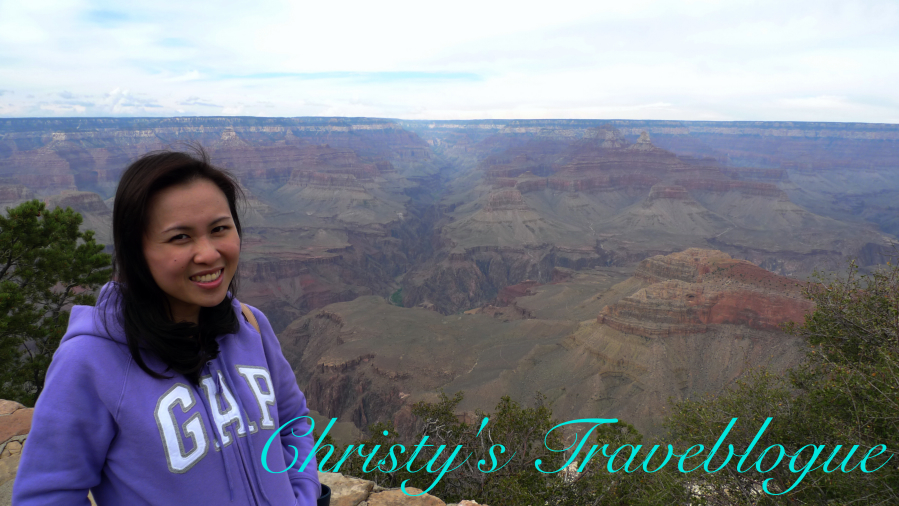
Pro and con definitely, but I can still attest to the fact, that the stunning view of the Grand Canyon is unfazed by the misty state, as my jaw still dropped (literally) when I had my first peek of the canyon as I stood at the edge of the viewpoint.


P1300560_Fotor

The image of the Grand Canyon, packed with the complexity and beautifully carved child canyons amalgamated with the depth, size and the colors contributed by the varieties of rocks sitting on layers (they were believed to date even back to the Precambrian times), definitely sticks in one’s mind and perhaps, I would say, secures a permanent position in one’s memory for life.
At least, I would say that for myself.

P1300553_Fotor


This is definitely deserving of one of the wonders of the world, and I definitely would call for it to be preserved though I am sure it is pretty safe in the hands of the nation, and furthermore, UNESCO has definitely spoken with the granting of the heritage title.
President Theodore Roosevelt, you have definitely spoken everyone’s mind with your words and I can’t agree more, for those, were my sentiments, exactly.

May Grand Canyon continue to be preserved in its natural and pure state, for generations to come and be awestruck by its allure and exquisite demeanor.

P1300546_Fotor


I look forward to be back, Grand Canyon!


Thursday, November 27, 2014

Hoover Dam reminds me of...

P1300422_Fotor

Transformers.

Yes, remember that classic scene in the first installation of the movie where the gigantic leaders of both the Autobots and Decepticons; Optimus Prime and Megatron were hot on each other's tracks like they were in a cat-and-mouse chase? (Maybe cat and mouse did not seem to be such an apt description for two gigantic bots, but you get the idea)
They were tumbling after each other; practically, over the high boulders and the upstream, gates, well, pretty much all over the place.

P1300448_Fotor


Those images stuck in my mind for years and when I was heading towards the entrance of this prominently featured dam, believe it or not, that was the first thing that came to my mind.
That was how profound of an effect from that movie, and I believe the producers and filmmakers of the movie would be very pleased to hear that, and extremely proud of themselves.
I was even half expecting Optimus and Megatron to continue their battle; and unleash more destruction around the mighty dam when I was there - such imagination.

Hoover Dam was definitely built to withstand such pressures though; not destruction I mean, but the might and resilience of the structure was definitely eminent, holding the breath and awe of every visitor.

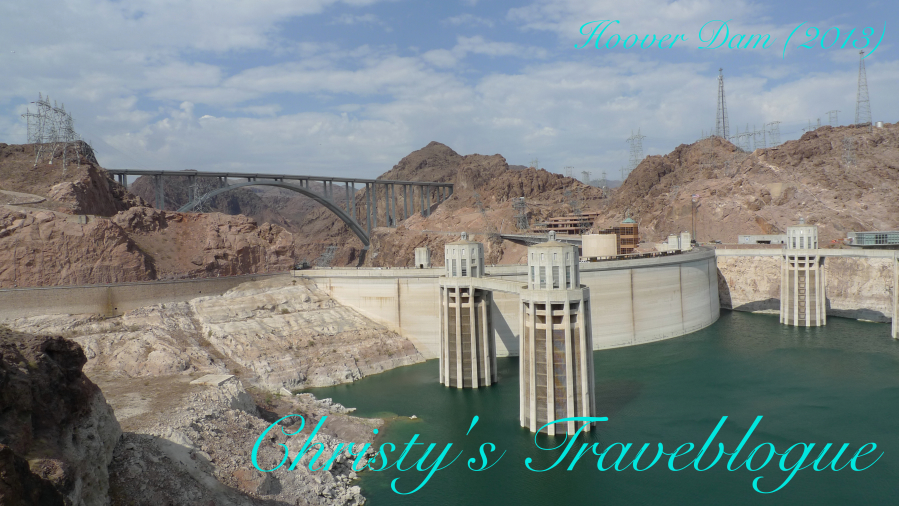
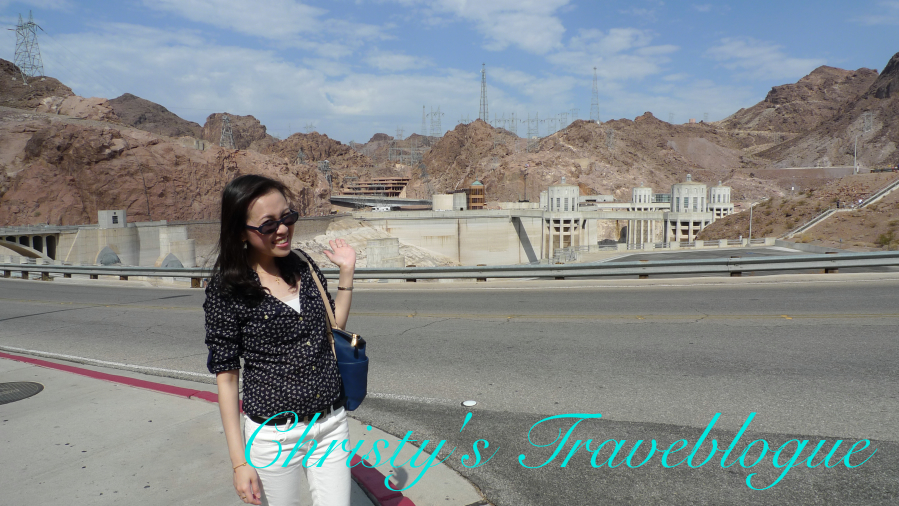
The dam, is more than 70 years old; from its birth between the years of 1931 and 1936 and its construction was massive with the efforts of more than a thousand workers, and claimed more than a hundred lives during the process.
It is devastating to learn of loss of lives involved in the establishment of the famous dam; as with most of the other complex buildings and landmarks in the world. These are the unsung heroes; the ones we did not know who put their lives into presenting a prominent landmark to the world today.

The Dam was dedicated by the ruling President Franklin Roosevelt during his time; on the 30th September 1935 but it was after the former President Herbert Hoover the dam was named after, raising much controversies back then.


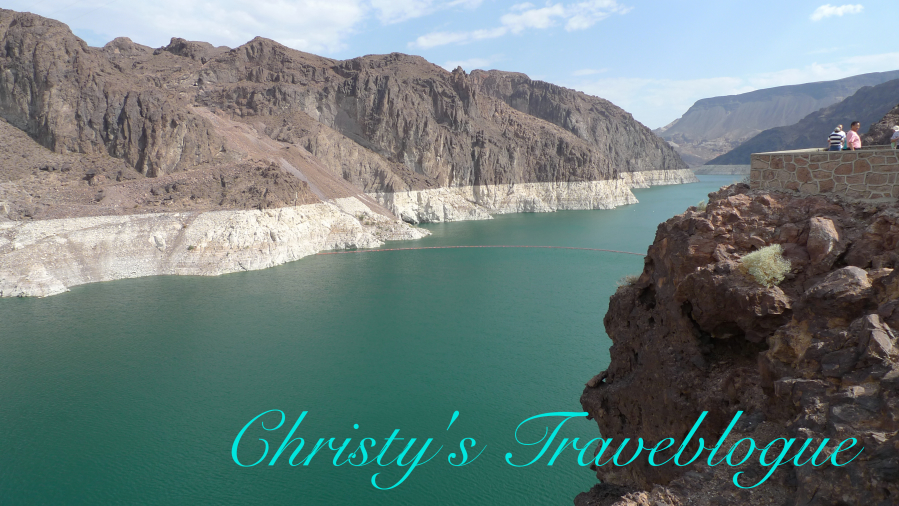
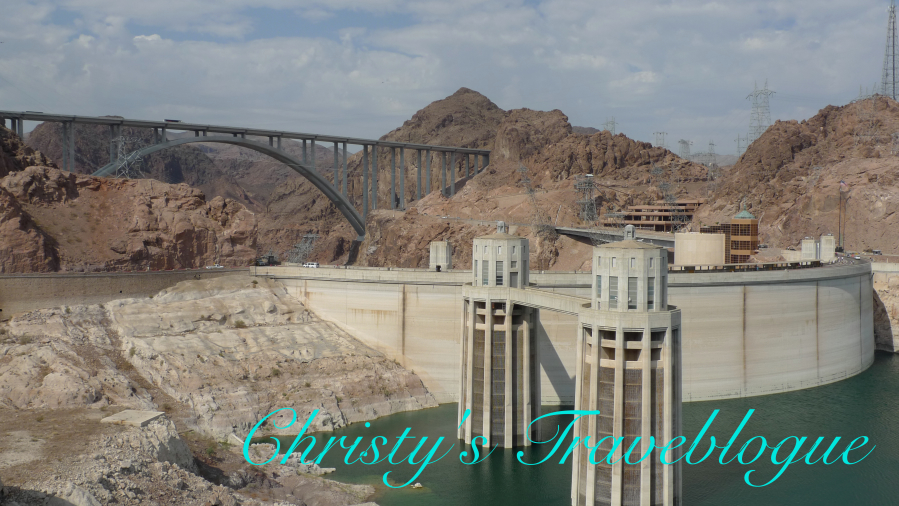
Lake Mead, the largest reservoir by volume in the whole of the United States were confined within the territories of the Hoover Dam, making the dam one of the most important water storage areas in the country.


Hoover Dam is not just important for its water storage capability, but was also designed to serve its multiple purposes of storing, retaining, regulating the water, flood control and also the source of hydroelectric power generation  

On top of all that, Hoover Dam ranks as one of the tourist attractions and recreational area; witnessing more than  a million tourists annually.

Controversies surround the name of the dam; where the locals refer to the dam interchangeably between the officially named Hoover Dam and the Boulder Dam, with reference to its location near the Boulder City of Nevada and the neighboring Boulder Canyon.

Wedged between the two canyons; Black Canyon and Boulder Canyon, it is more precise to point that the location of the dam was in the Black Canyon, where the famous Colorado River runs.

P1300434_Fotor

It is interesting to note that this is not just any ordinary dam; which we already know by now (as I conjure images of the giant bots once again), following its remarkably captured photo-worthy location in Hollywood movies and apart from the entertainment aspect, this is also the world's 38th largest hydroelectric generation site.

P1300404_Fotor

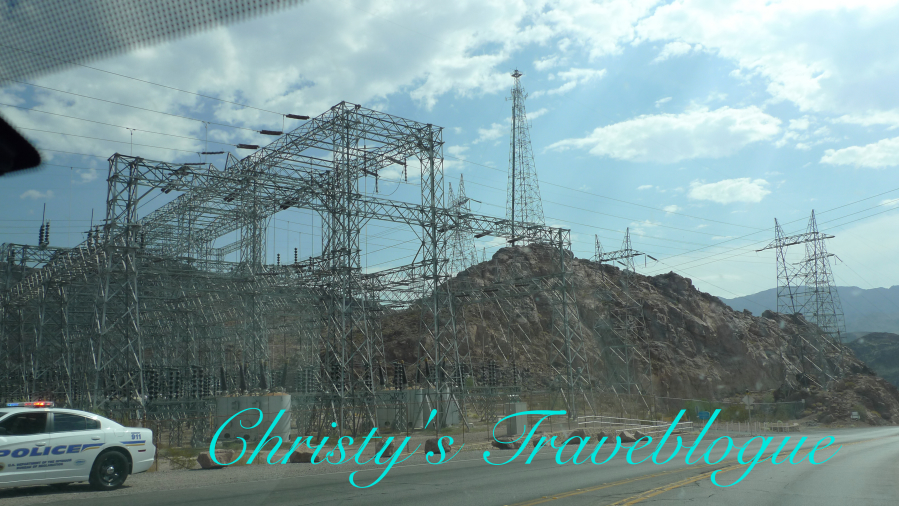
Thus with a reputation like that, it is definitely not surprising to learn that the dam is safely guarded and protected by their very own police force; officially known as the Bureau of Reclamation Police, a federal police force and regularly known as Hoover Dam's police.


P1300403_Fotor

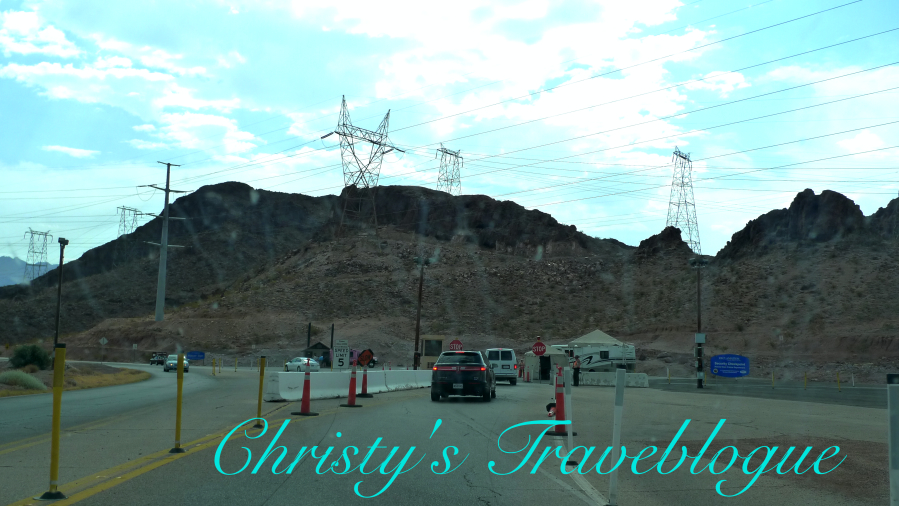
Due to the importance of the dam, the federal police were delegated and dedicated to protect the integrity of the dam's purpose and establishment, along maintaining the security within the dam; safeguarding the place from possible crimes and acts of terrorism.
Collaborating with the security guards of the Bureau of Reclamation, the police scrutinize the access to the reclamation facilities and conduct routine checks throughout the restricted areas on the premises to maintain the safety of the site.

P1300397_Fotor


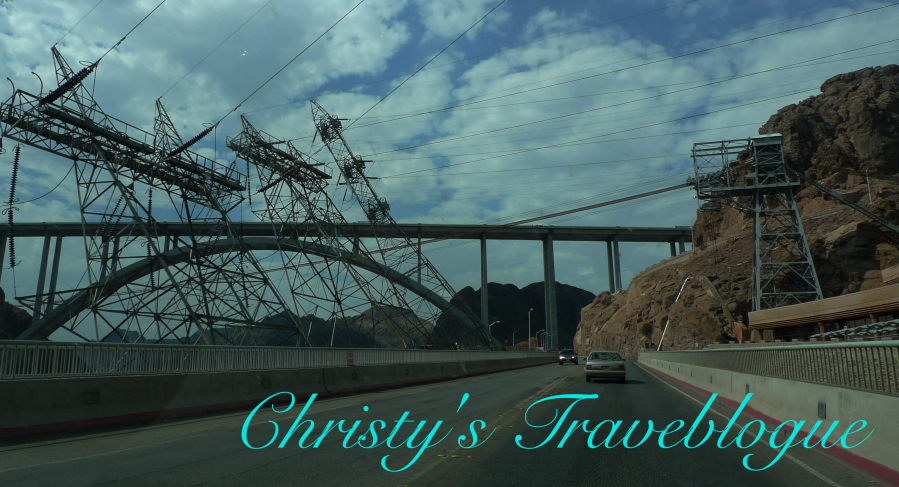
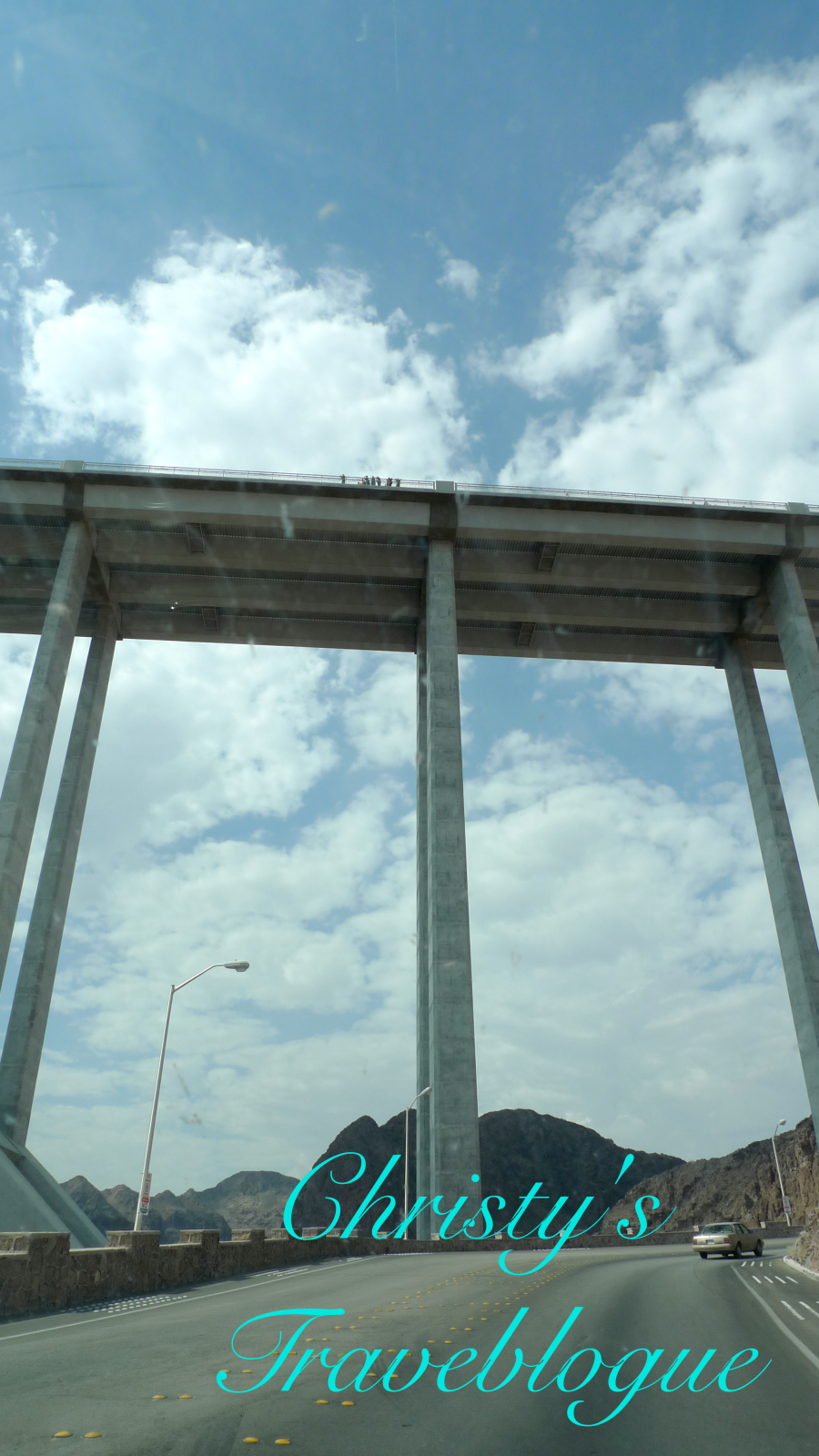
The infamous terrorist attack which took place on the 11th September 2001 led to the expedition of the construction of the Hoover Dam Bypass project; which was intended to reroute the U.S Route 93 above the Hoover Dam due to the dangers and risks it imposed based on the location as advised by the officials and also the incapacity of the route to hold the projected traffic volume across the top of the dam where it was situated.


P1300450_Fotor 


The arch bridge; the major link or the key to the Hoover Dam Bypass project, is also known,or rather, originally known as the Mike O' Callaghan - Pat Tillman Memorial Bridge (named after Mike O'Callaghan, the governor of Nevada and Pat Tillman, a football player from Arizona who went on to serve the United States Army, later perished in a fire).


The list of interesting trivia surrounding the dam are anything but limited, as the vast areas on the premises beckon to the important roles they play to the country.


P1300431_Fotor


If you ever want to be in two places at the same time; this would be it, as Hoover Dam is located in the Black Canyon of the Colorado River, which runs on the border of both the states of Nevada and Arizona.

Voila, as Landon would say to Jamie, "You're in Two Places at Once"

(Quote from A Walk to Remember)


Now, that would be a nicer way to picture Hoover Dam than purely mega battles, wouldn't it? 


P1300418_Fotor

Wednesday, June 18, 2014

Fisherman's Wharf, Pier 39 and the Seals

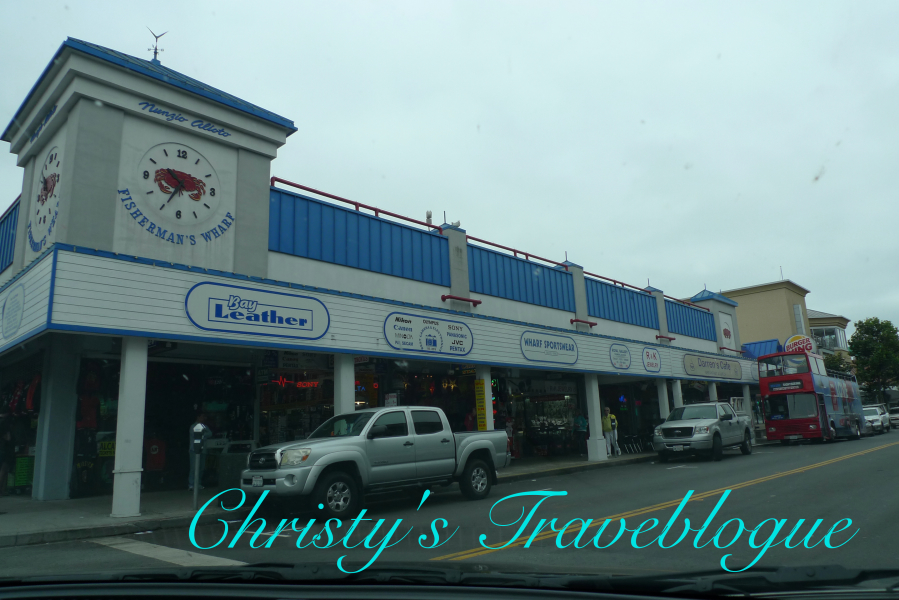
The fishermen neighborhood complete with the fleet of fishing boats docked by the bay, their well-polished hulls glistening in the sun, and windy sea breeze blowing against the flapping tiny flags amidst the bustling urban modernization of a well-established commercial center and marina aptly describes the famous Fisherman's Wharf of San Francisco.

Dating back to its early history from the days of the Gold Rush in San Francisco which drew a crowd of migrating Italian fishermen to the coast eager to earn from the flowing opportunities, Fisherman's Wharf has seen generations of bidding fishermen until this very day. The early boats in sign were emblematic of the Italian's common fishing boats; known as feluccas, seen bobbing up and down along the bay as the early ancestors of these fishermen scour the coast for their catch. The lateen-rigged sailboats, or the feluccas represent the identity of the fishermen, or as they were modeled in the same build and design known to the fishermen as in their very homeland.
The fishing boats were not the only thing these fishermen brought, as they serenaded the bay with their songs; one that was beautifully and hauntingly melodious, as their common language of communication which can even be heard over the thick shrouds of fog.

Most of the fishermen settled down in the area close to the wharf and the fishing industry continues until this very day, by the great grandchildren known to be the descendants of the early fisher folks , in this very area, forming the heart of the Fisherman's Wharf with their unmistakable sights of fishing fleet and turning the place into one of the dearest attractions in San Francisco among the locals and tourists.

P1290700_Fotor

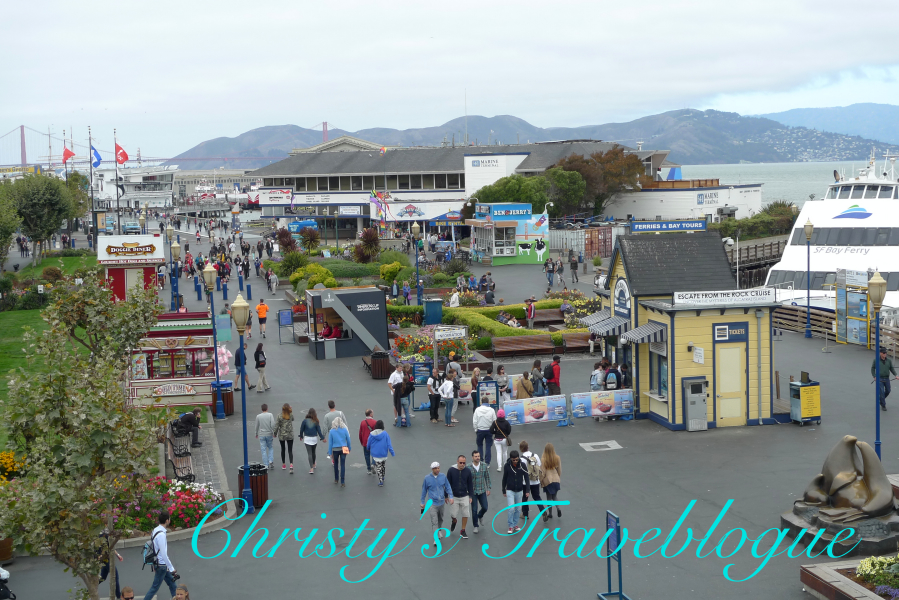
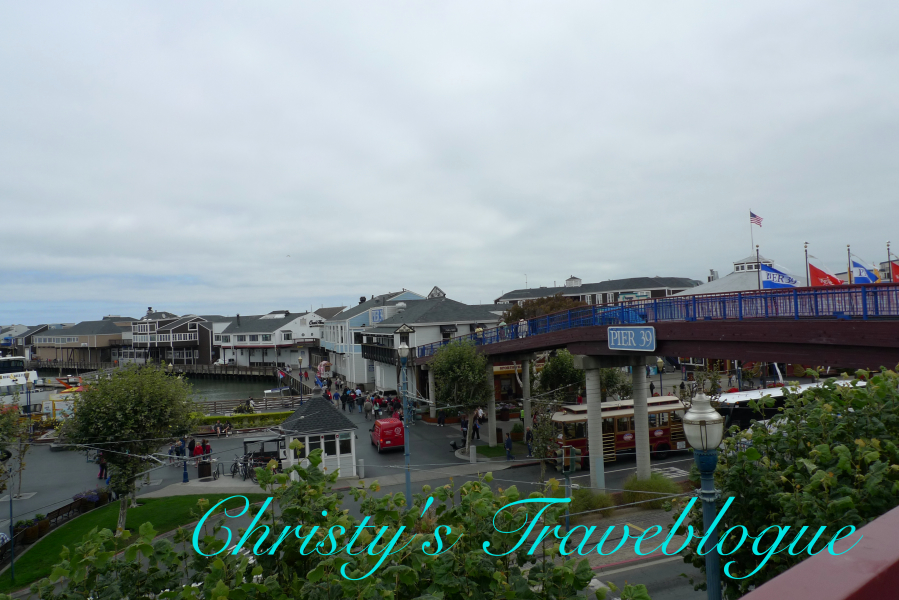
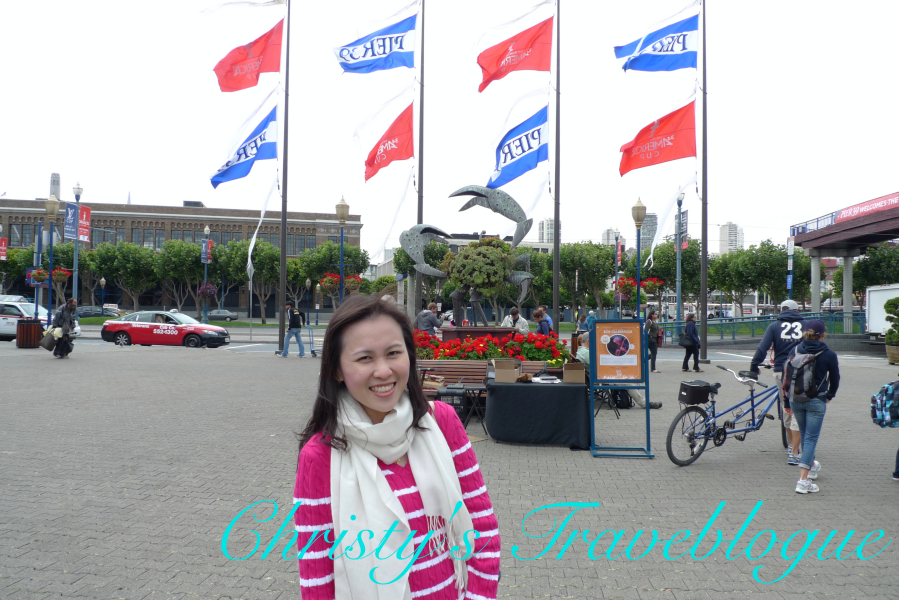
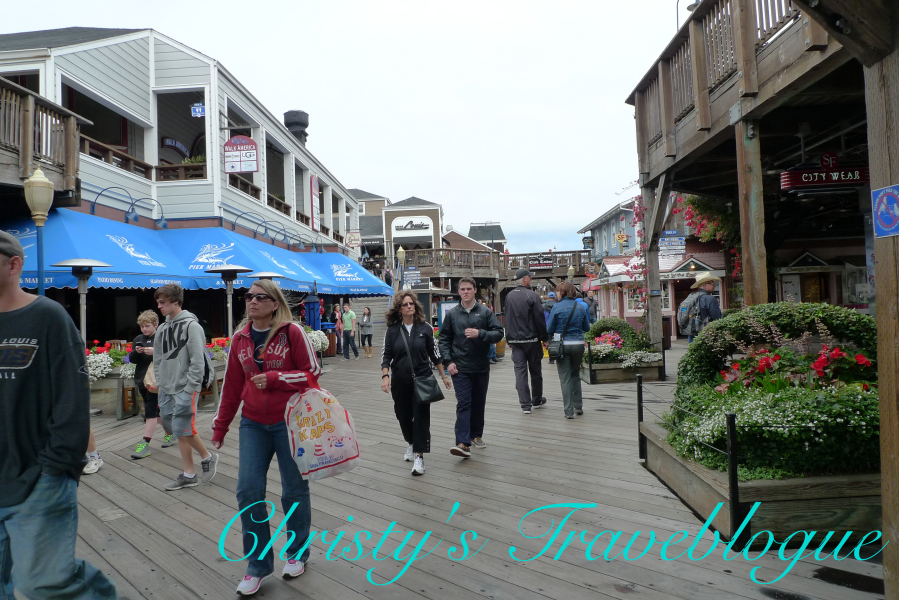
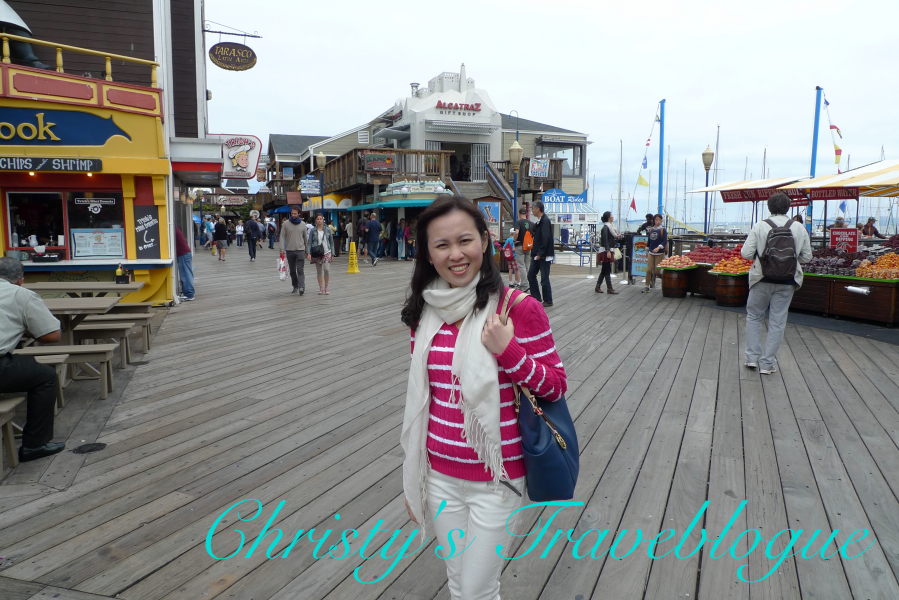
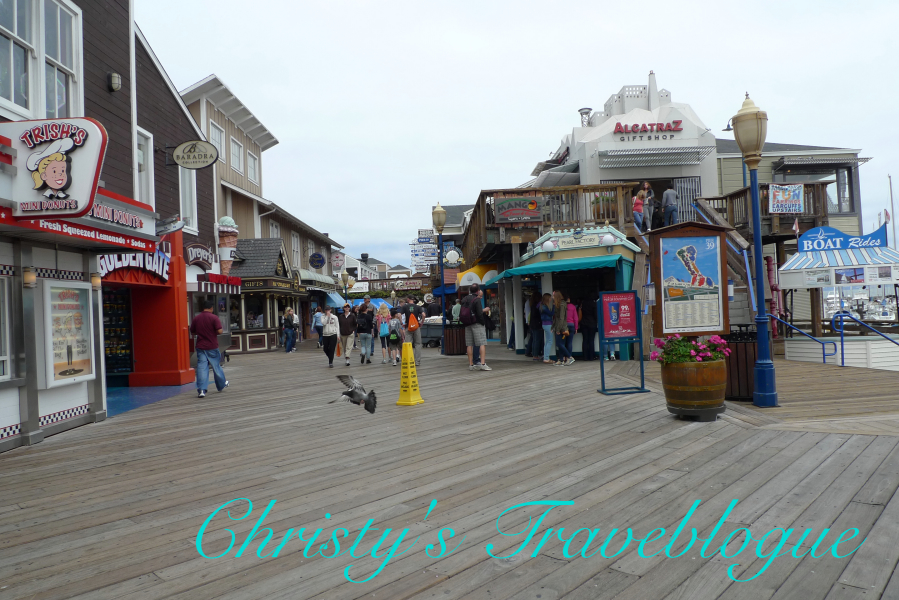
Pier 39 is the most well-known pier located at the edge of Fisherman's Wharf; bringing to life the commercialization of a shopping establishment forming the pulse of this very marina itself along with the seafood restaurants, souvenir shops, video arcade, aquarium all being part of the list of attractions.
The popular tourist attraction was the brainchild of entrepreneur Warren Simmons and was officially open to the public in the year 1978.

P1290734_Fotor

P1290723_Fotor

P1290741_Fotor

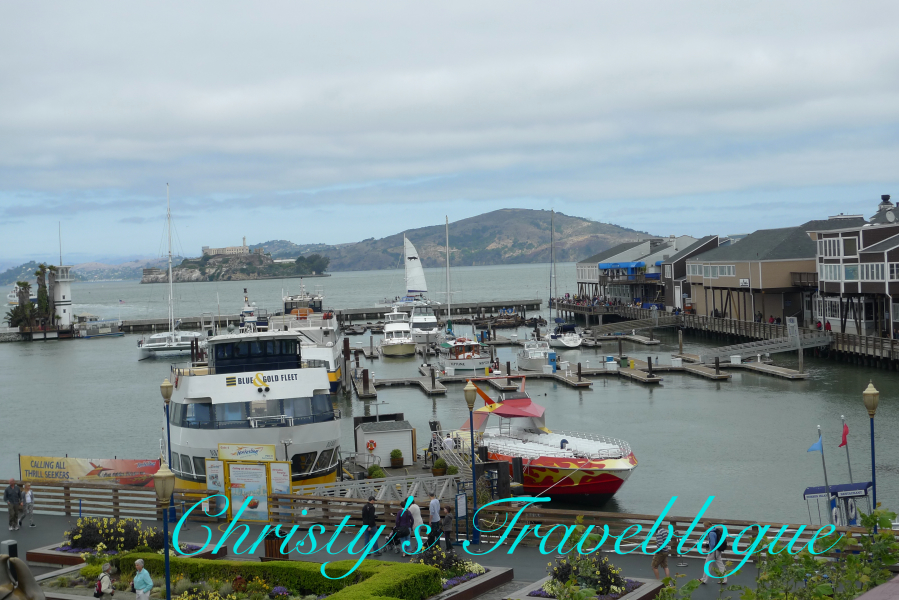
Pier 39 overlooks the tourists spots of Angel Island, Alcatraz Island (where the once notoriously famous prison was located), Bay Bridge and even the iconic Golden Gate Bridge which can be spotted on a clear day at this very marina.

P1290730_Fotor

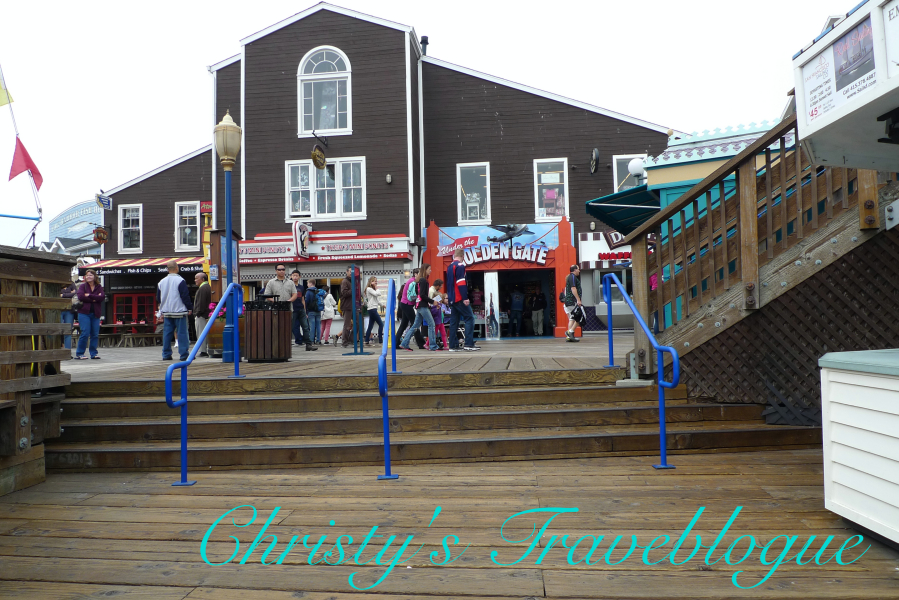
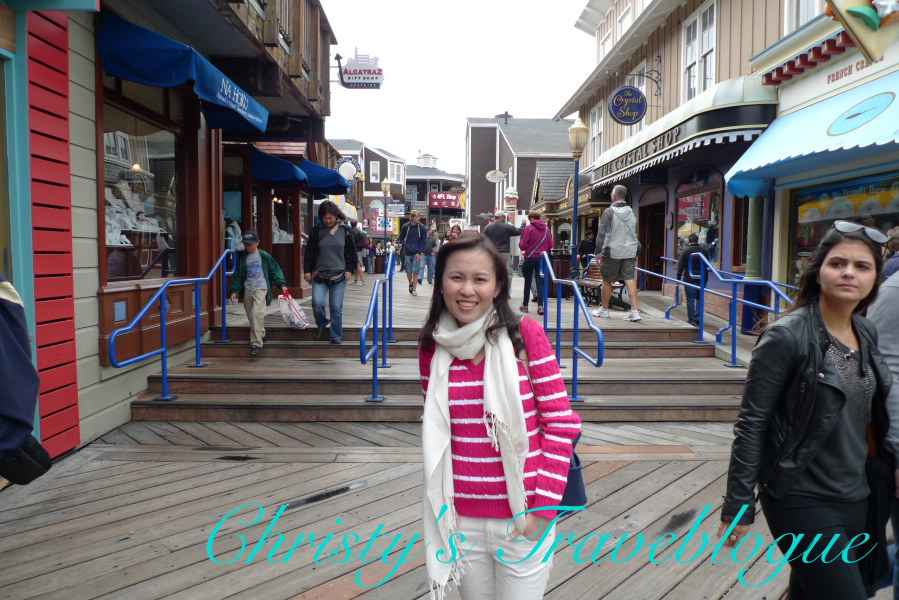
Take a stroll down the wooden plank boards of Pier 39 among the tourists and locals and take in the lively environment set up by the local vendors running the shops here, while enjoying the cool and windy sea breeze blowing from the bay.
It can be quite a relaxing experience, and I can definitely see the appeal of this place and the reasons for its popularity. Friendly locals, interesting displays and merchandise, chilly sea breeze and scenic views from around the area are all just the few to name capturing one's attention while here on Pier 39.

P1290776_Fotor

P1290787_Fotor

P1290791_Fotor

P1290758_Fotor

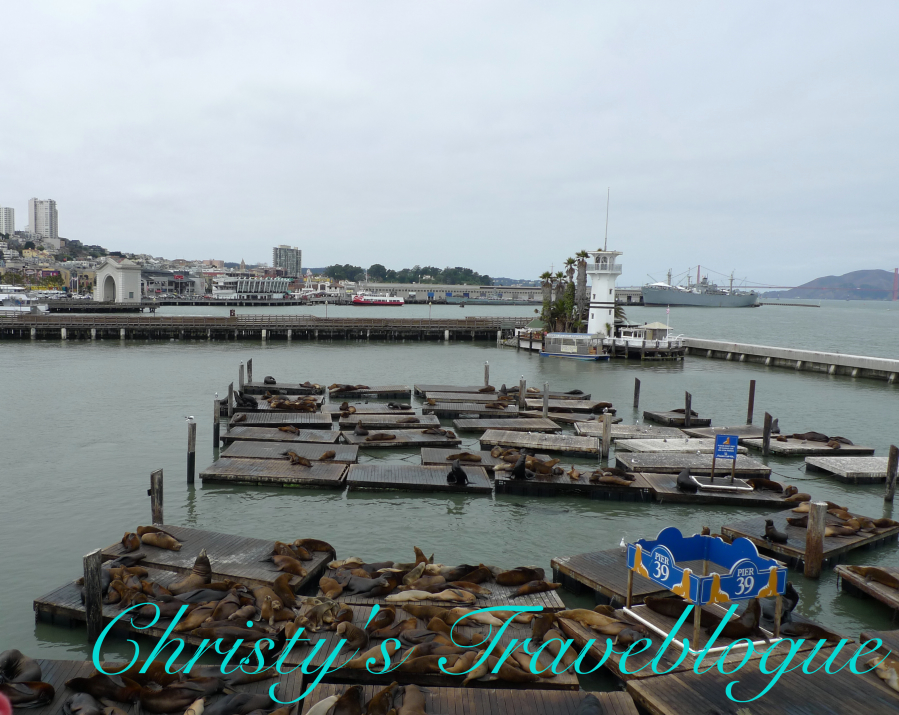
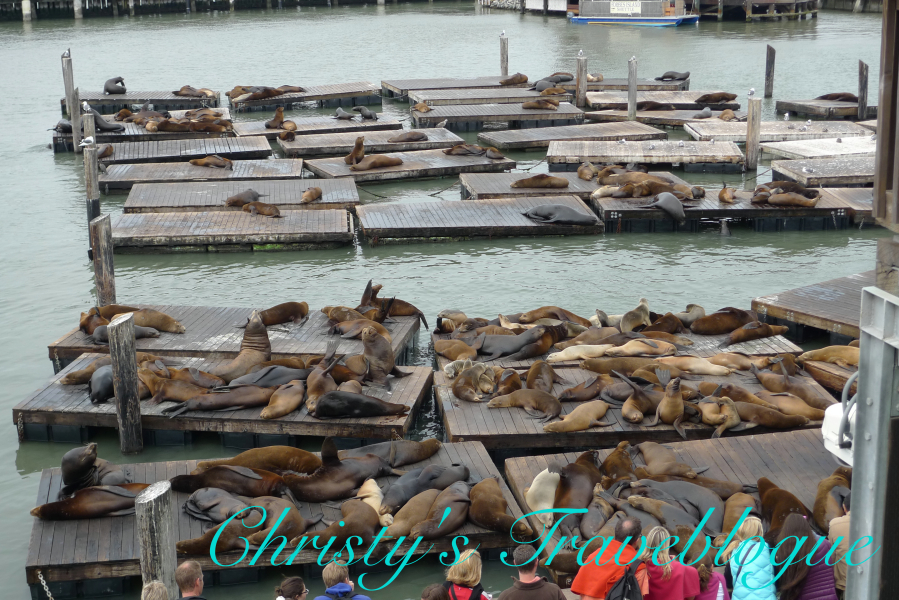
Pier 39 is not just any ordinary pier filled with only the commercial aspects as it is also the home to the California Sea Lions which were originally spotted along the San Francisco Bay.
The seals have since found their new homes near Pier 39; hauling their body masses on the docks since the year 1989. While the reasons for their migration remains unclear, it was believed that the 1989 Loma Prieta earthquake could be one of the starting points for the seals to move to their new homes; sheltered and being within a bay which provided more security to the families of seals.


P1290810_Fotor

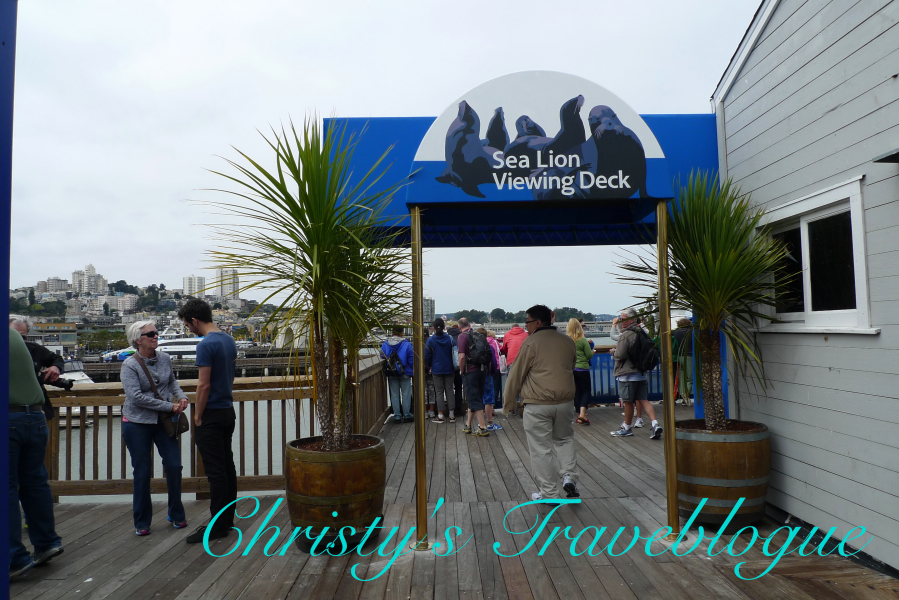
The masses of sea lions resting on the docks quickly garnered public attention and the sight of these mammals became one of the tourist attraction as well.
Viewing docks are set up for one to take in the natural image of these live seals plopped on the wooden docks and it can be quite a daunting sight to watch the masses, or at least it was for me.

P1290805_Fotor

P1290812_Fotor

The marina is indeed full of its charms and life, as seen in the living pictures of the snapshots which are just capturing the tip of the essence of the offerings of Pier 39.
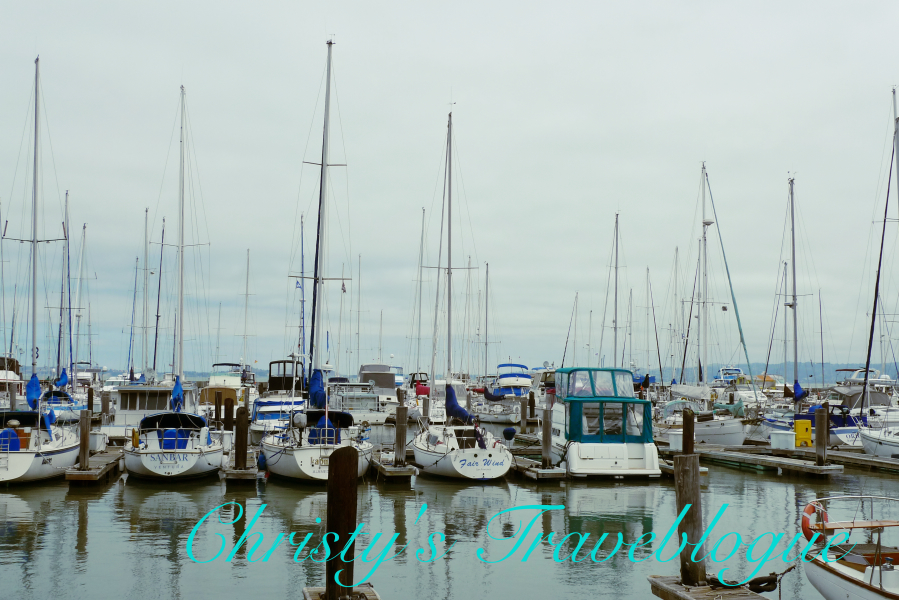
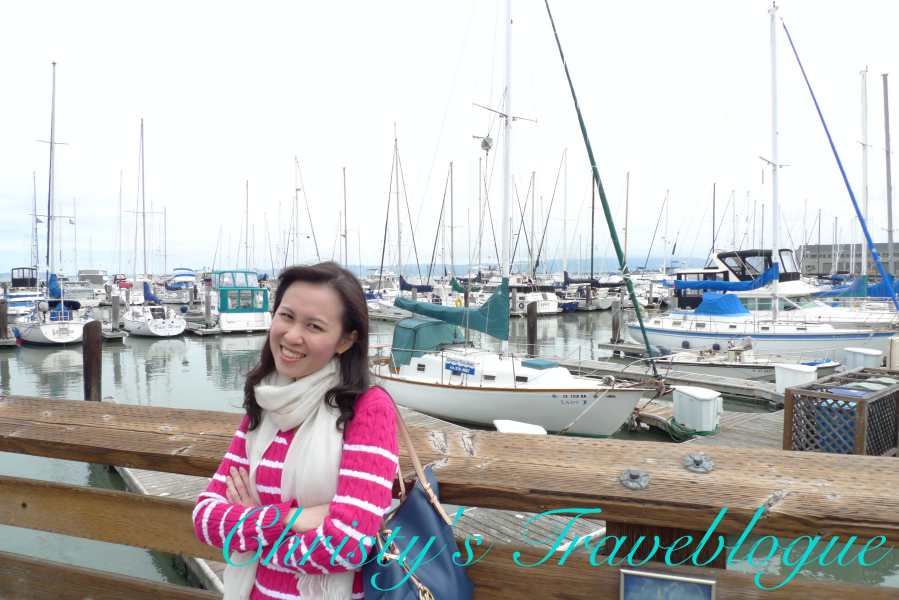
I am easily captivated by the simple view of a marina, with that picturesque scene of boats resting peacefully by the docks, and the occasional floating/bobbing motion which explains my personal fixation on this place.

P1290770_Fotor

P1290766_Fotor

P1290761_Fotor

As the sign says, Fisherman's Wharf and Pier 39 is definitely the pride and part of the soul of San Francisco's identity and definitely truly significant of the city itself.

What else says better about this City by the Bay than a visit to capture that view of life by the bay itself?


P1290745_Fotor


Friday, June 13, 2014

Lombard Street: The Crooked Street of San Francisco

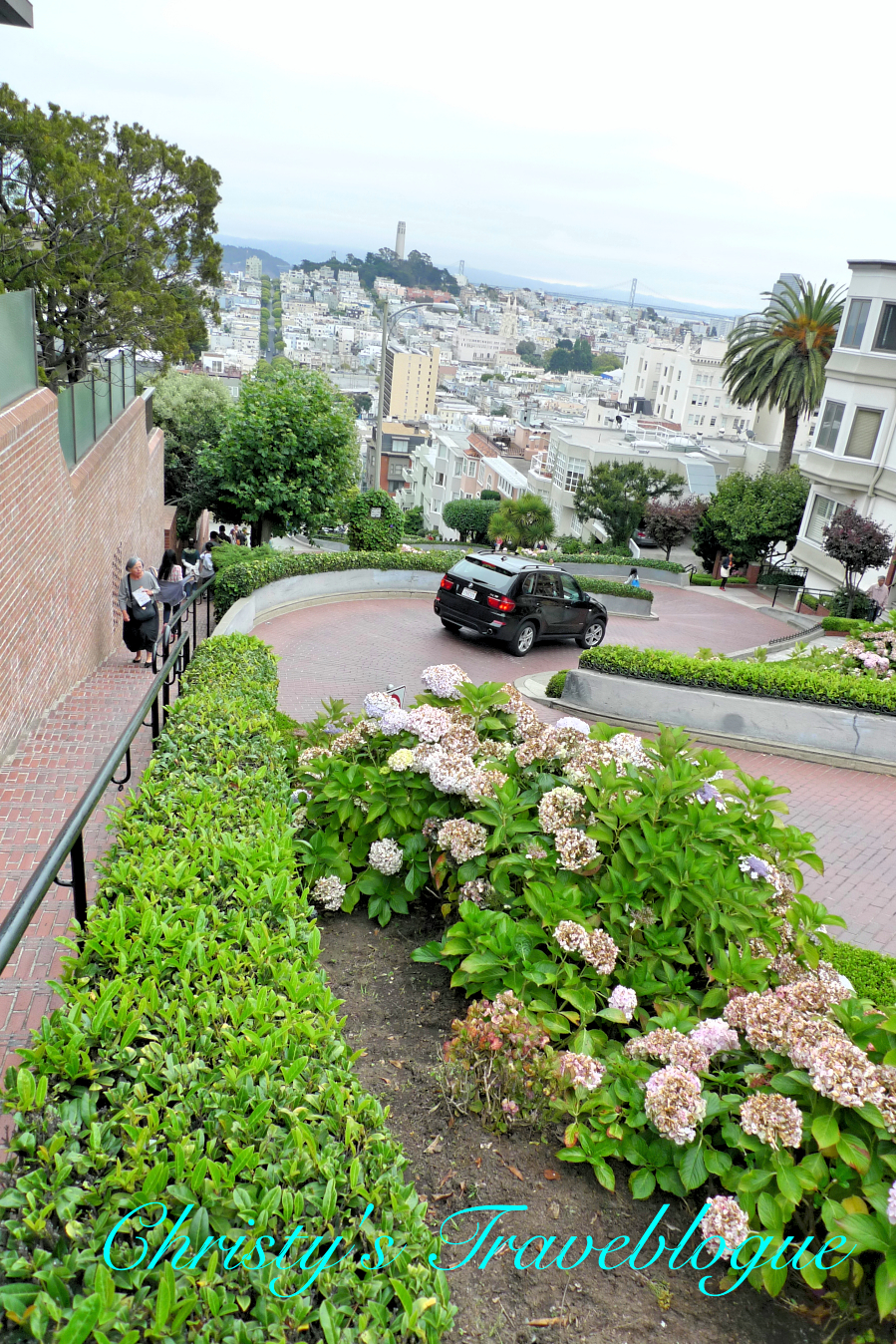
P1290687_Fotor

If you have seen a shot of the above in any travel sites or books/magazines, chances are you have heard of and known of this famous street in San Francisco.

Dubbed "The Most Crooked Street" or "The Crooked Street in San Francisco", this is definitely one of the most unique and interesting landmark in the city; after the famous iconic landmark of the Golden Gate Bridge, that is.

P1290609_Fotor

Lombard Street is not purely this single street, as it spans from the east to the west of San Francisco, covering the major junction of US Route 101. The Street spans from the western terminus at the Presidio to the east; the Cow Hollow neighborhood and continuing from the Russian Hill to the Telegraph Hill where it breaks off to Telegraph Hill Boulevard; Pioneer Park and Colt Tower and picks up again at Winthrop Street. Its end point rests on The Embarcadero.


P1290680_Fotor

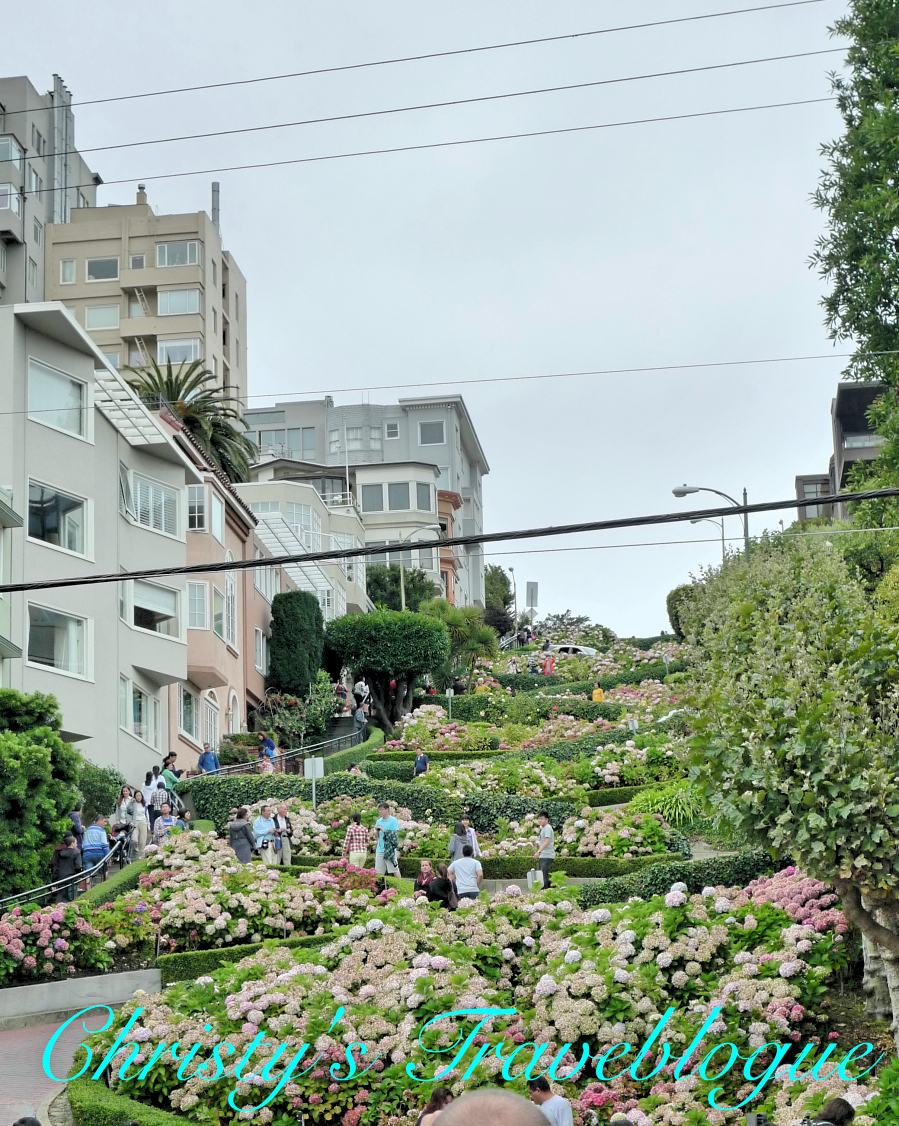
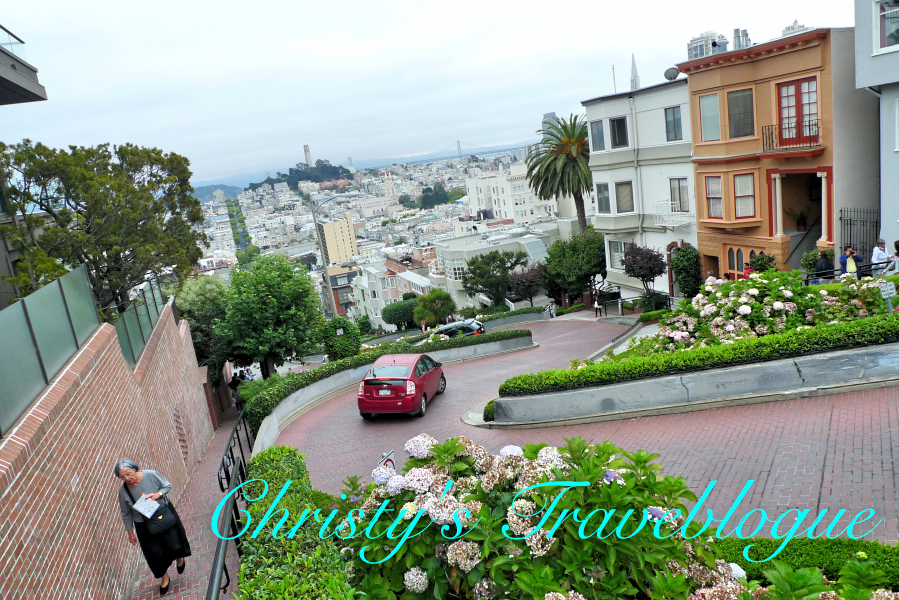
The famous point of this street is the Lombard Street's one-way block on Russian Hill, known for its steep and curvaceous gradient featuring eight hairpin turns; tightly so, is a challenge for drivers as one takes a plunge down this bend. For the local residents however, needless to say, they are just too used to the road that there is no longer any element of fascination in it; or maybe not so true.

The street's rising popularity despite its early establishment in the year 1922 is attributed to its unique twists and turns as a vehicle makes its way in a zig-zagging manner around the turns and bends of this interesting street. The street was in fact, a solution for the precipitous gradient of the hill itself; which at a 27% was too steep for the most vehicles, posing high risks to the safety of the drivers and even pedestrians, not to mention the danger it posed to the wheel chairs, making it uncomfortably hazardous to most of the users.
The inclusion of the bends and turns; while still appearing to be challenging, is designed to curb and minimize the risk of the vehicles taking a sharp dive as they brake and navigate cautiously around the bends.

P1290612_Fotor

The brainchild of the property owner, Carl Henry, the street was then constructed in 1922, is one-way traffic road heading downhill (naturally so), with a length of 600 feet (180m).

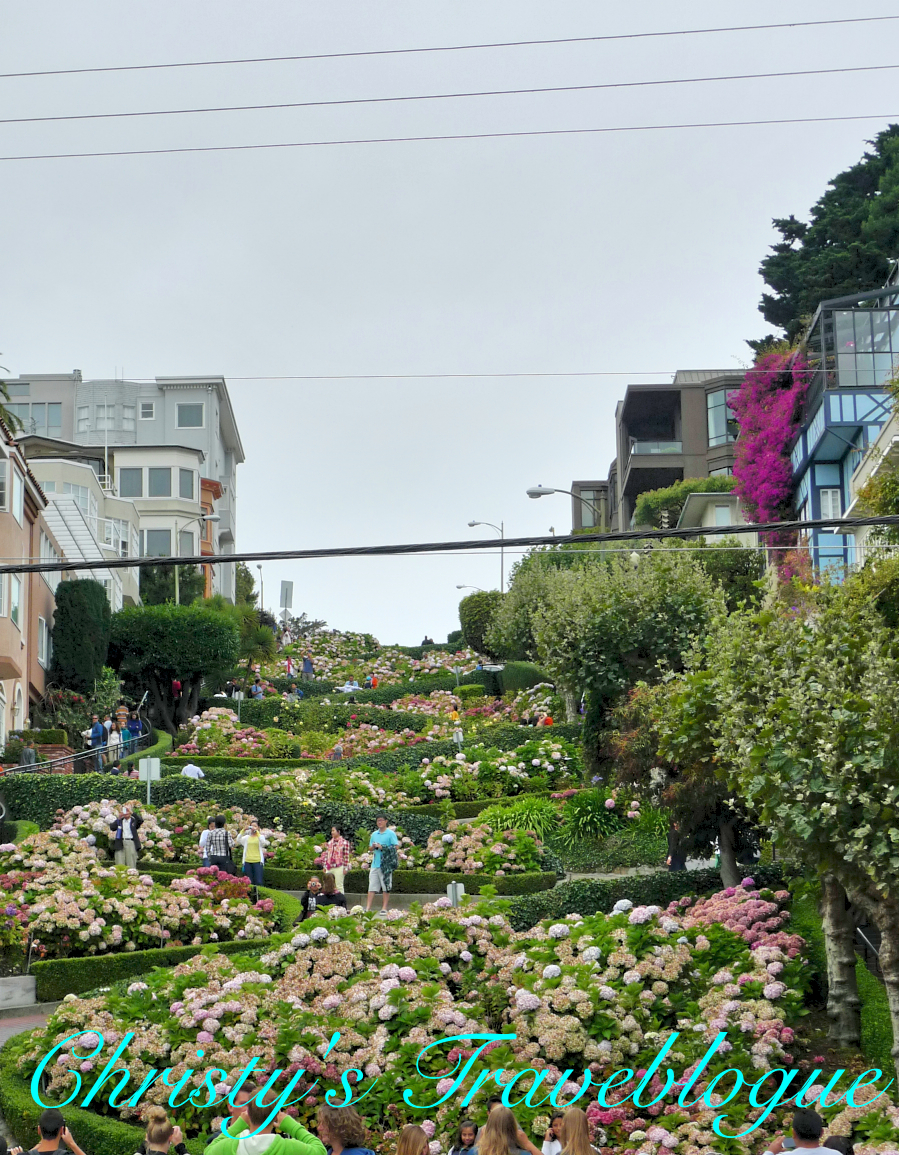
Paved with red bricks and decorated with the beautiful garden blooms, Lombard Street's Russian Hill neighborhood where this sloped-driveway is located, quickly became the most prominent neighborhood streets with its unique attributes and catapulted into stardom in the world; drawing tourists from all over the globe swarming the neighborhood hoping to catch a glimpse of this much-acclaimed street.

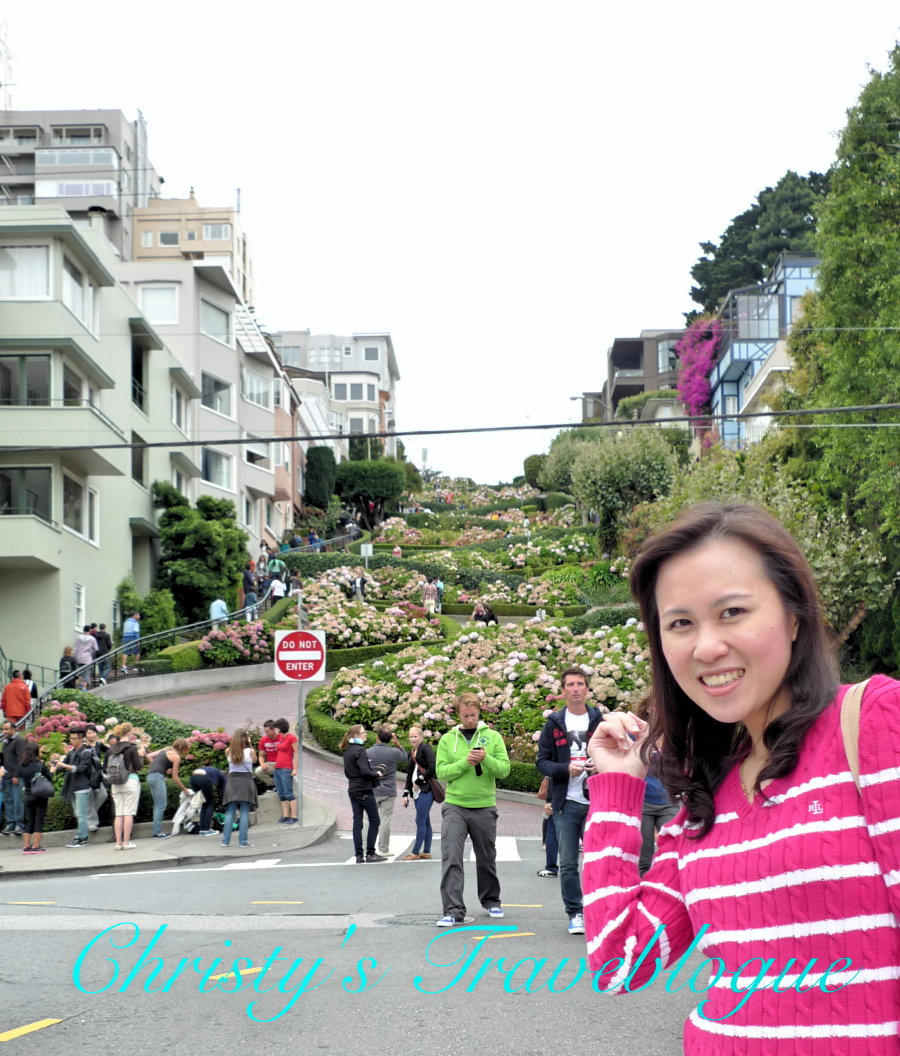
The neighborhood is no longer enjoying their quiet moments, definitely, I can attest to that, as tourists, and people are all just crowding around the area to snap a few shots of this unique street which is definitely one of its kind in the world.
If the street is not occupied with its own nicknames to fill its own guest book, there is one more to add to the list as one of "The Crookedest Streets in the World"; and not just in San Francisco or United States alone.

The best way to experience this famous downhill slope way of Lombard Street is to take a drive in your car to navigate around the eight hairpin turns; taking each one at a time to delve in that surreal experience but it was definitely worth it.

P1290614_Fotor

Taking a good shot of the street can be a challenge; wrestling the crowds and also the angle (which, provided you can disperse the crowds hovering impatiently near you as you take each shot).
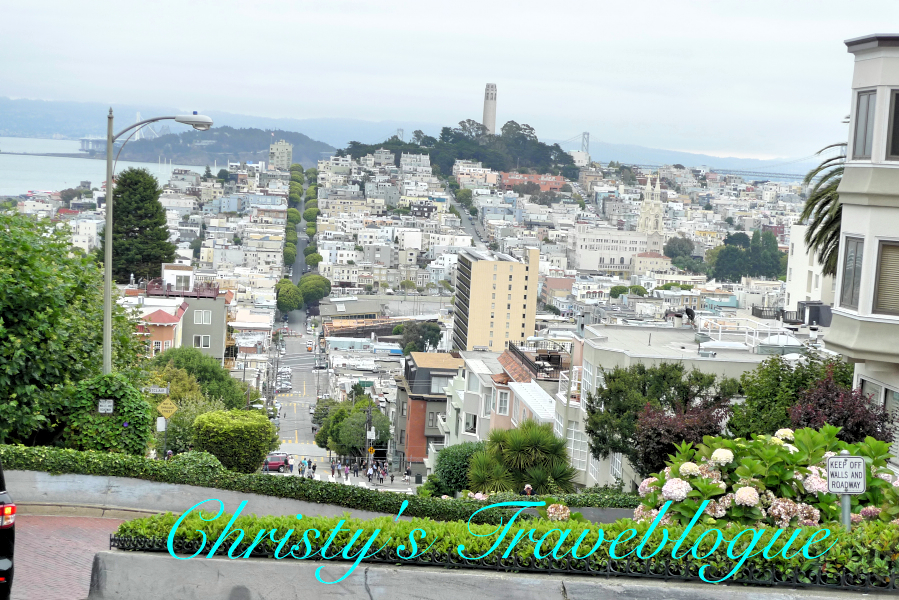
An aerial view would be ideal; or from afar, to get those cables out of sight (as mine had so unfortunately included). One of the best location, and most recommended would be from Colt Tower which provided a complete and ideal view of this one-way drive.

Flowers in bloom, cars appearing like miniatures on the bends, and the red bricks make this part of Lombard Street seem like a fictional and imaginary land which only exists in story books; but this is as real as can be and is definitely well worth the time and value to be included in any sightseeing list while in San Francisco.

P1290683_Fotor 

It is definitely a picturesque location that one can walk away and bring home proud, to stash in the collection of one of the postcard locations in San Francisco (and the world); and of course, a tick off the travel bucket list for unique locations around the world.

P1290685_Fotor


Postcard from San Francisco: Golden Gate Bridge

"It's just a bridge, what is there to photograph?"
"It's the Golden Gate Bridge!!"
"So? It's just another bridge, and we have way bigger and more magnificent bridges in our country which surpass this bridge anytime"

Those were the words I heard in an exchange between an elderly couple standing less than ten feet away from me; as the wife was bouncing with enthusiasm and excitement upon the sight of the Golden Gate Bridge upon descending from their bus, desperately trying to get the best shot of the bridge from every angle, the husband stuck his hands into his pockets and watched with an expression of boredom and disinterest.

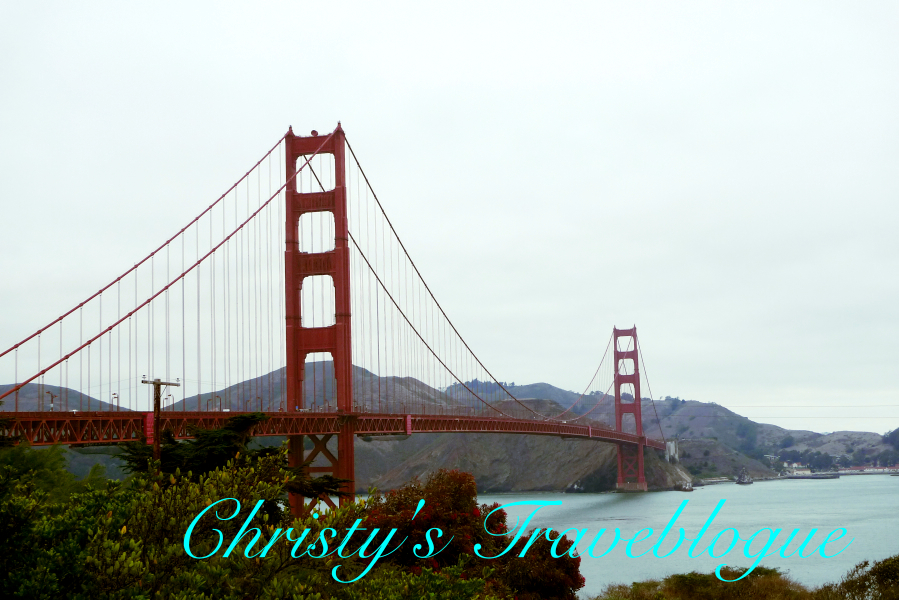
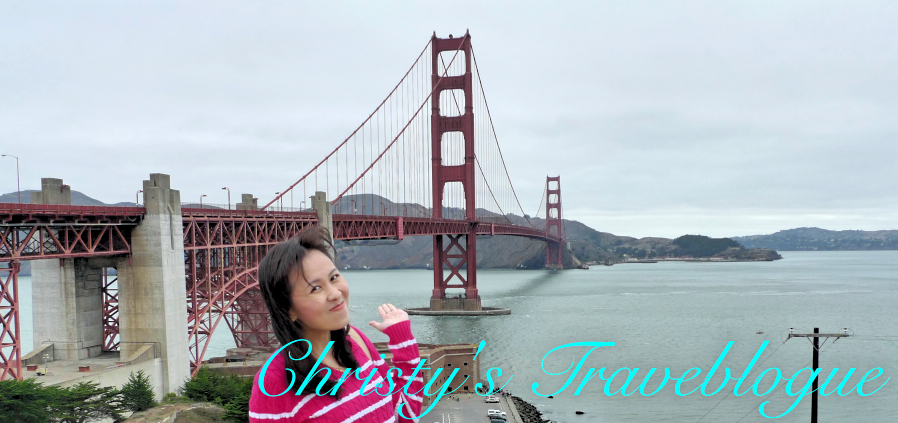
Well, in my own response To the elderly sir, there may be many bridges around the world, but your wife is definitely not wrong that this is THE Golden Gate Bridge, the iconic and world-recognized emblem which best represents the famous city of San Francisco in the United States of America.

P1290466_Fotor

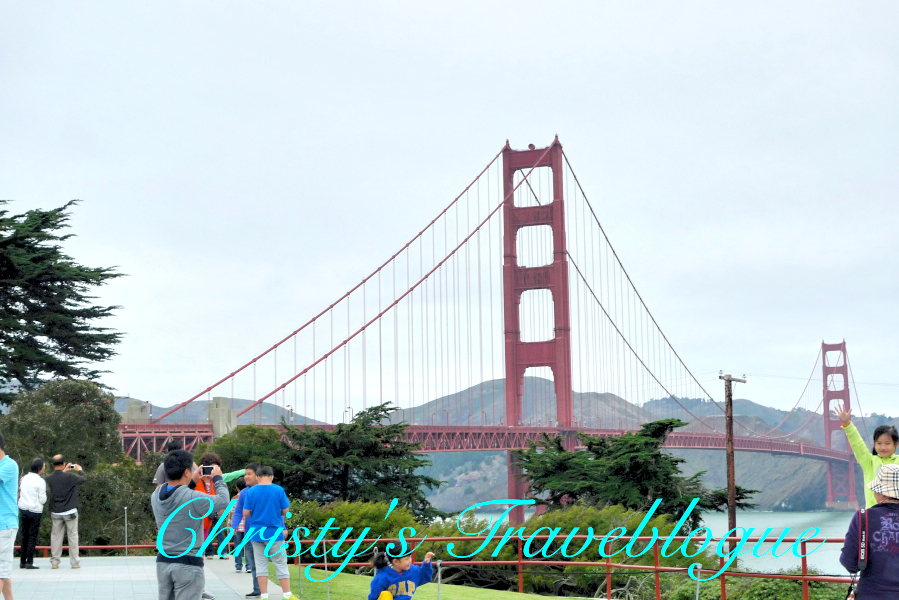
The Golden Gate Bridge is synonymous with the term San Francisco as the very image of this bridge pops up by default when the name of the city is mentioned.
Yes, such is the power of this iconic bridge, which has, for decades, captured the hearts and attention of the world since its official launch in the year 1937.

In fact, some travel guide books; namely Frommers, referred to this very bridge as "possibly one of the most beautiful and certainly the most photographed bridge in the world".

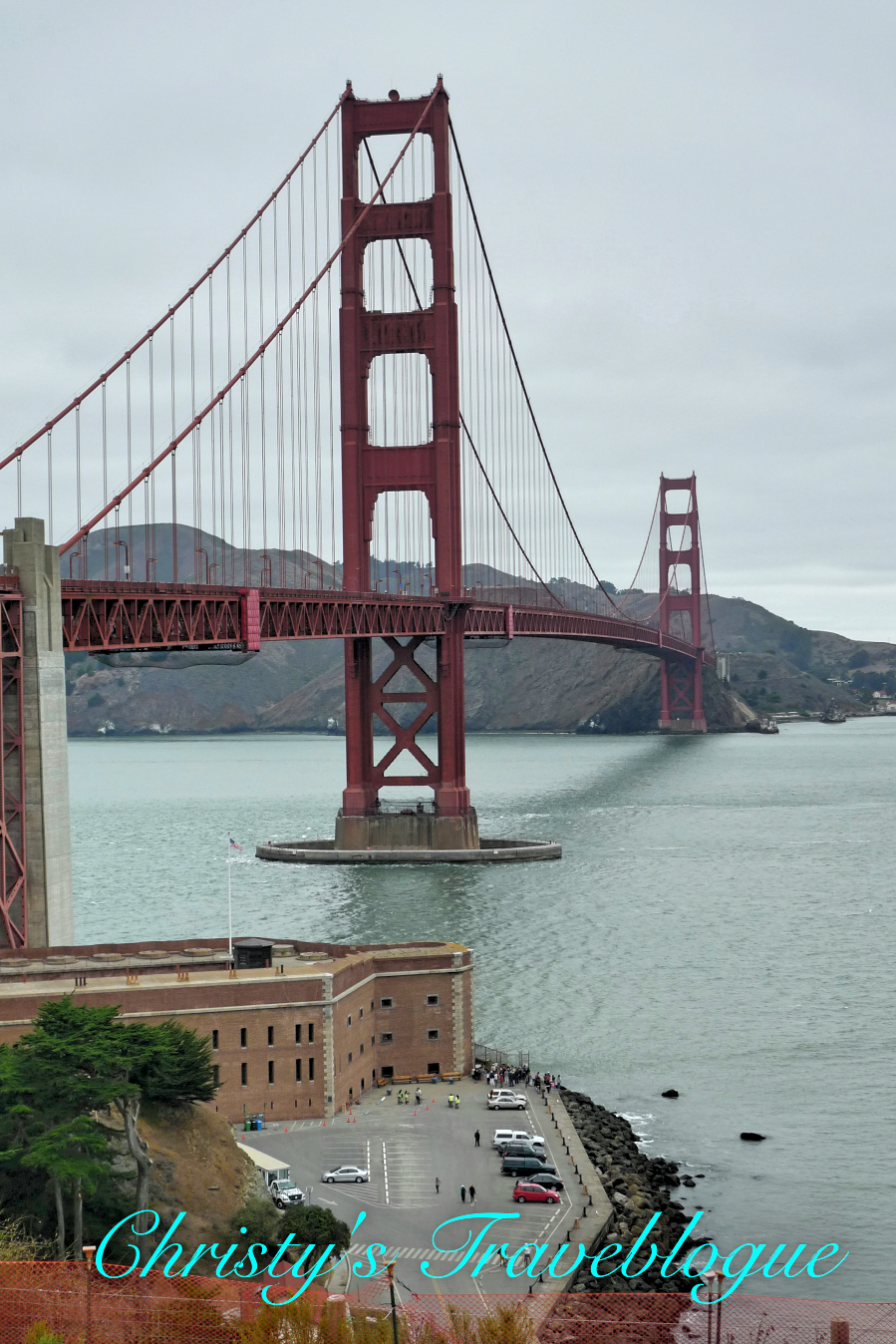
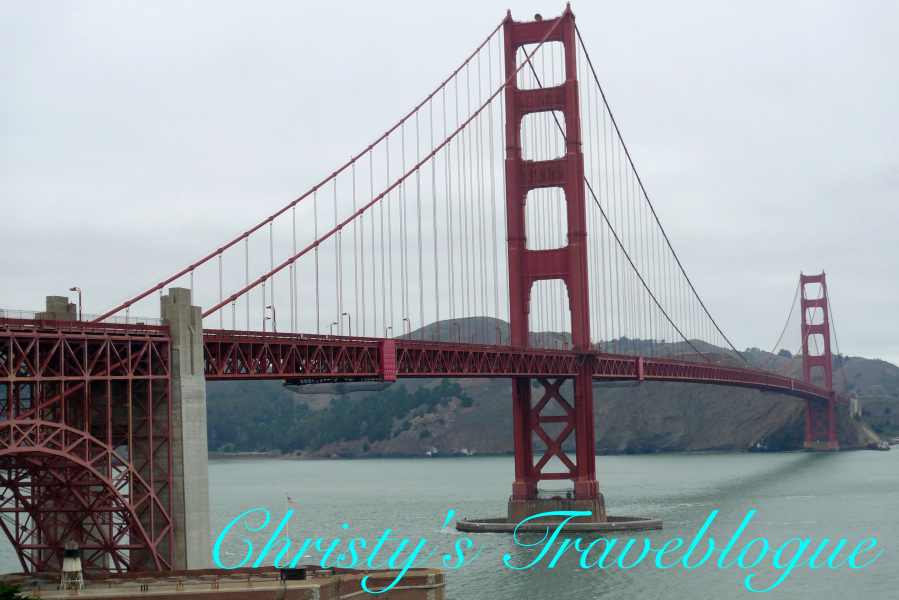
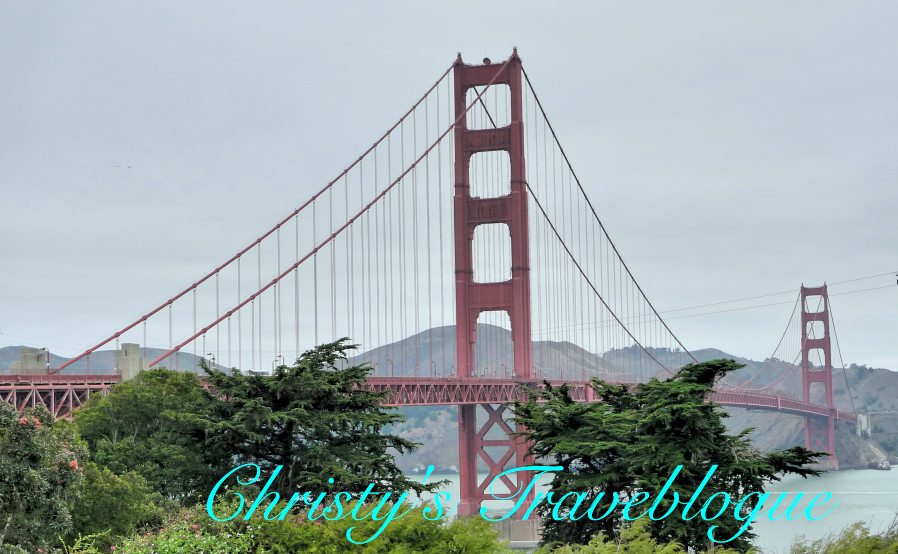
The unmistakable bold red metal colors of the suspension bridge is simply a symbol or a representation of the city; and a sight to behold as one enters this; one of the most populous city in the United States, as can be seen in most images or postcards related to San Francisco.

P1290526_Fotor 

It is definitely not just any bridge; it is almost as if the bridge is San Francisco itself; being such an icon of fame and world-renowned status.

There is much for Golden Gate Bridge to be the pride of San Francisco (and even the United States as well); with it being declared as one of the Wonders of the Modern World by the American Society of Civil Engineers - Wikipedia)

Golden Gate Bridge was also named the world's longest suspension bridge main span; with its length of 4,200 feet (1,300m) - a title it held for at least three decades since its opening until the year 1964 when it was succeeded by ten other bridges in the world, and now holds the second longest suspension bridge in the United States; right after New York City's Verrazano-Narrows Bridge.

The famous suspension bridge spans across the Golden Gate Straits connecting both the San Francisco Bay and the Pacific Ocean; linking the city of San Francisco from its northern peninsula to Marin County.  Its establishment resorts to solve the commuting woes for the early settlers between the Marin County to San Francisco; whereby the only mode of transportation was via boat as they transport water to the city of San Francisco.
The early conception of the bridge as a commuting option posed many challenges to the engineering as the strait commanded strong currents and tidal waves, along with the savaging winds and the depth of the water which made it a difficult and near-impossible mission with their then-technology. Fogs were also common problem plaguing the strait which added to the difficulty of the construction of the bridge.

A former engineering student, James Wilkins' proposal made it through, and Joseph Strauss, an avid engineer and poet, was then tasked to the alteration of the design with his background and experience working on other bridges (his graduate thesis was on a railroad bridge across the Bering Strait).
The progressive findings on metallurgy then paved the way for the concept of a suspension bridge; which was the most practical idea at that time.

The conceptualization till the establishment of the famous bridge spanned for a decade; facing oppositions as well from various parties, with concerns raised on the risks of the bridge posing a hazard to the marine traffic and also the potential of ship collision or causing obstruction to the main harbors for the navy defense.
However, its construction finally made it through, or we would not be witnesses to the world-famous bridge today.

The name of the Golden Gate Bridge was coined way before the bridge even began its construction or design; when it was discussed in the year 1917, by Strauss and city engineer of San Francisco, M.M. O Shaughnessy and was then officially legalized in the year 1923 with the passing of the Golden Gate Bridge and Highway District Act by the state legislation.

Hung from two major cables passing through two main towers, the bridge spans a length of 8,981 feet (2,737m) and six vehicle traffic lanes; ferrying commuters on its busy roads everyday.

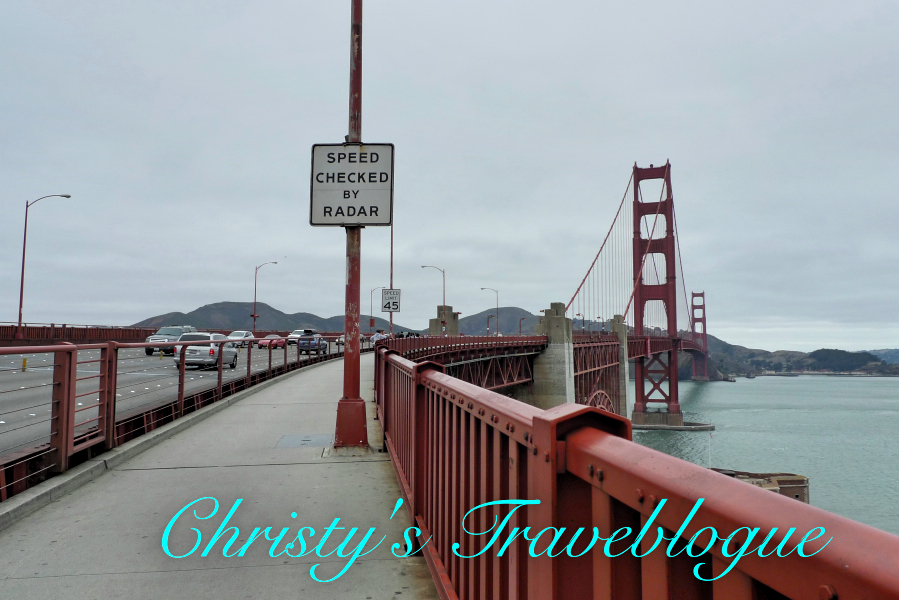
Pedestrians and cyclists are also fond of this iconic landmark, and designated lanes have been included on both sides of the bridges for them to enjoy the walk and ride down the bridge. While initially the two-way traffic lanes were separated by only metal curbs, railings were then added to prevent the cyclists from slipping onto the roadways.

P1290544_Fotor

P1290540_Fotor

P1290541_Fotor

P1290554_Fotor

Golden Gate Bridge is command center of tourism for the city of San Francisco, and there is no one who will be seen skipping this landmark off their sightseeing list when in the city, as it is almost a huge no, to have not visited this bridge which is internationally recognized as the iconic symbol of the the city itself.
Tour buses and cars flock to the Golden Gate area; to catch a glimpse, and like the couple described above in my opening, to photograph themselves and of the much celebrated bridge.

P1290456_Fotor

Golden Gate Bridge on a cloudy day (on the day I was there)
P1290492_Fotor


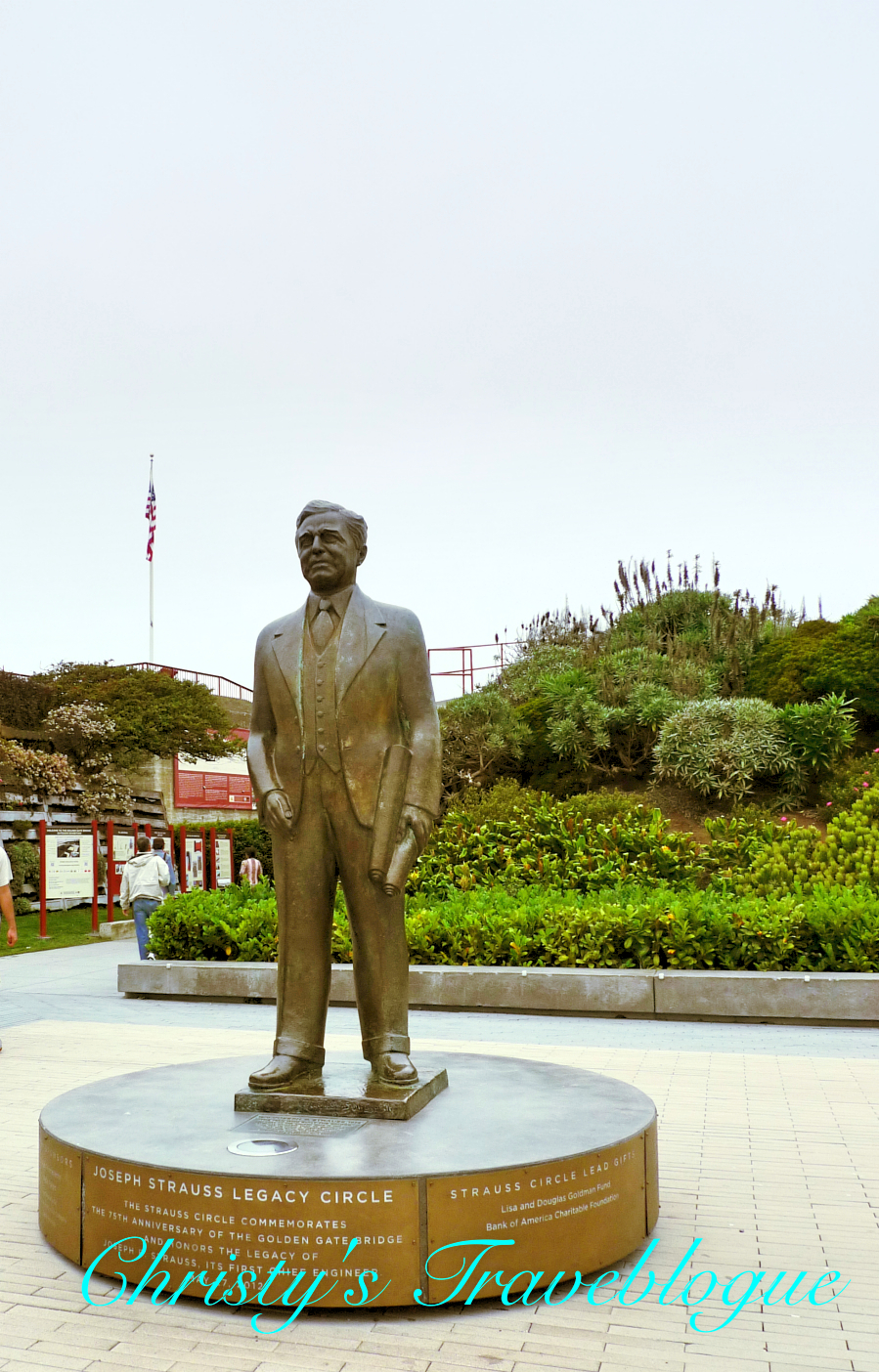
One can also spot the statue of the legendary Joseph Strauss; the brilliant designer who was responsible behind this world renowned suspension bridge.

P1290505_Fotor

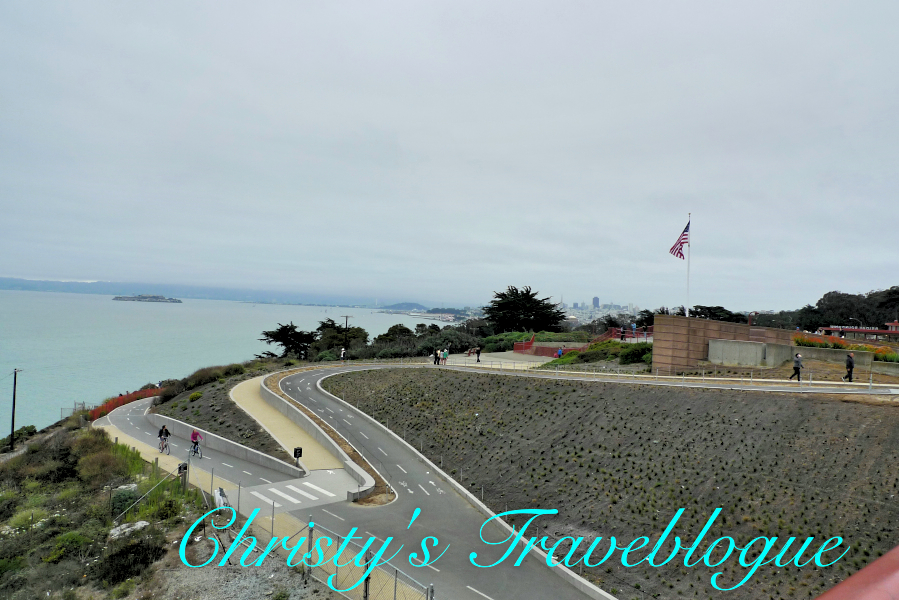
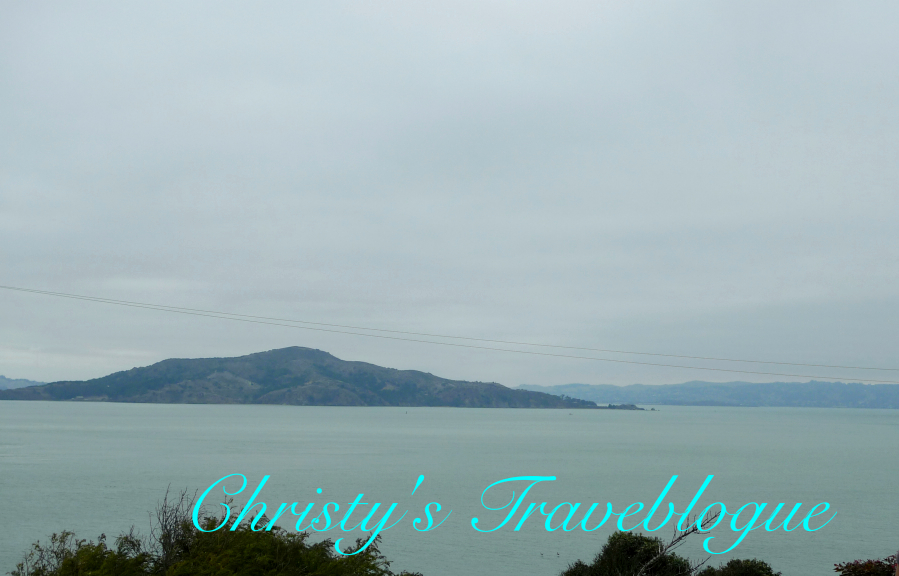
The bridge stands as an icon of the city of San Francisco, with views of the city and also a speck in the background which is the famous Alcatraz Island (where the prison was once situated).

P1290462_Fotor

Having been featured in one too many media; from films, movies, books, it goes to show that the world can never get too much of the characteristic bridge.

The Golden Gate Bridge is the picture of San Francisco, in all its stark contrast of bold red standing in might and dignity; painting that picture perfect postcard for the famous city.

P1290521_Fotor

With all its dues, Golden Gate Bridge is definitely a star.

P1290473_Fotor


That Is why, My dear sir, this is not just any bridge :-)


Protected by Copyscape Online Plagiarism ToolProtected by Copyscape Online Plagiarism Tool