Showing posts with label Nature. Show all posts

Tuesday, February 10, 2015

Wonders of Grand Canyon

P1300518_Fotor

A natural landmark that fills me with awe, backed by its astounding history dating back to almost 20 million years of geological changes and processes to its amazing and breathtaking formation today.

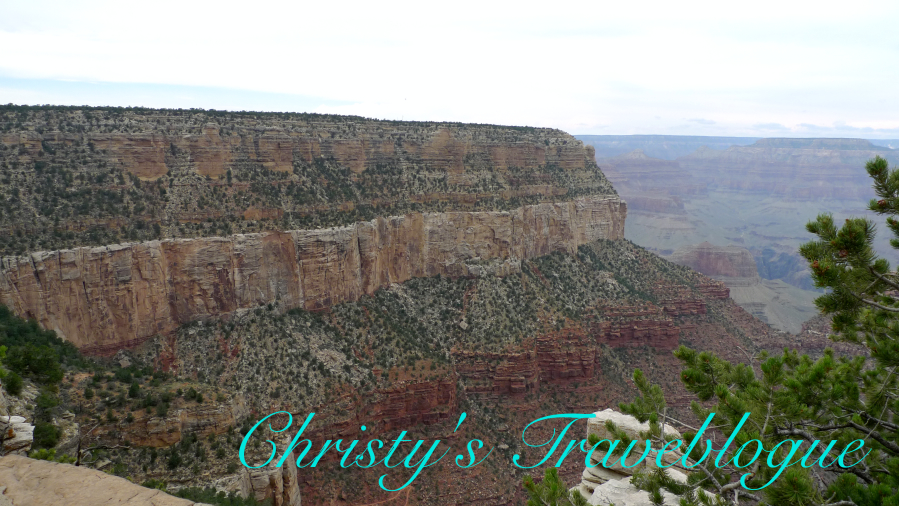
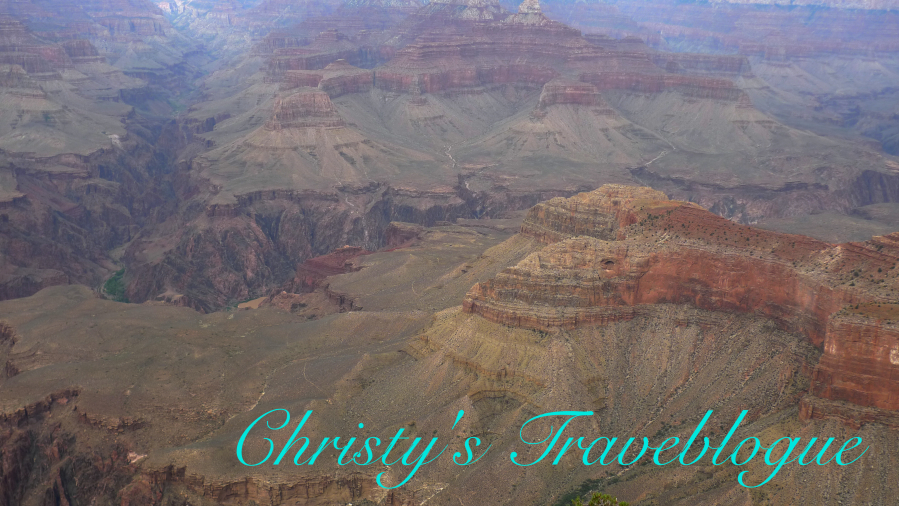
Grand Canyon is aptly named, and lived up to the glory of its given adjective description, or more, for this is one sight to impress, with the splendor and beauty of the carefully crafted landscape and all entirely works of nature. It does seem its grandeur in physique is paled with just one single adjective to describe its wonder.
P1300523_Fotor

It is impossible not to be captivated or be entranced by the impressive sight when one stands and take in the scene, and everyone who has been to the Grand Canyon National Park to witness the amazing Grand Canyon can attest to that, and the list is endless.
Even President Theodore Roosevelt was taken by awe, an impression further strengthened by his words quoted, when he visited the site in year 1903.
 "The Grand Canyon fills me with awe. It is beyond comparison—beyond description; absolutely unparalleled throughout the wide world... Let this great wonder of nature remain as it now is. Do nothing to mar its grandeur, sublimity and loveliness. You cannot improve on it. But what you can do is to keep it for your children, your children's children, and all who come after you, as the one great sight which every American should see."

P1300548_Fotor

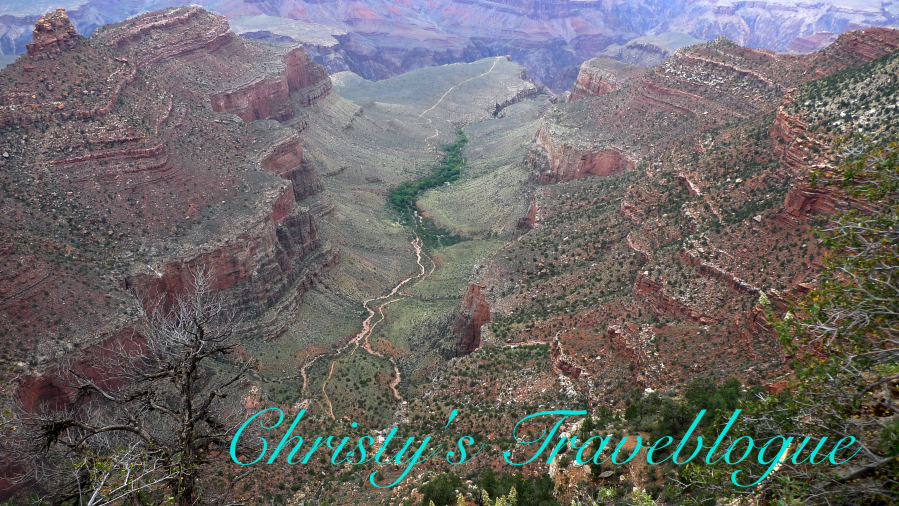
Grand Canyon owes her attractive attributes to the Colorado River and the elevation of the Colorado Plateau, a process which took millions of years with the many branches of streams stemming from the main Colorado River penetrating and slicing the channels across the plateau by the layers. The activity occurred in continuity and slowly led to the formation of the natural shape of the boulders evidently displayed in the enthralling landscape of the canyon.
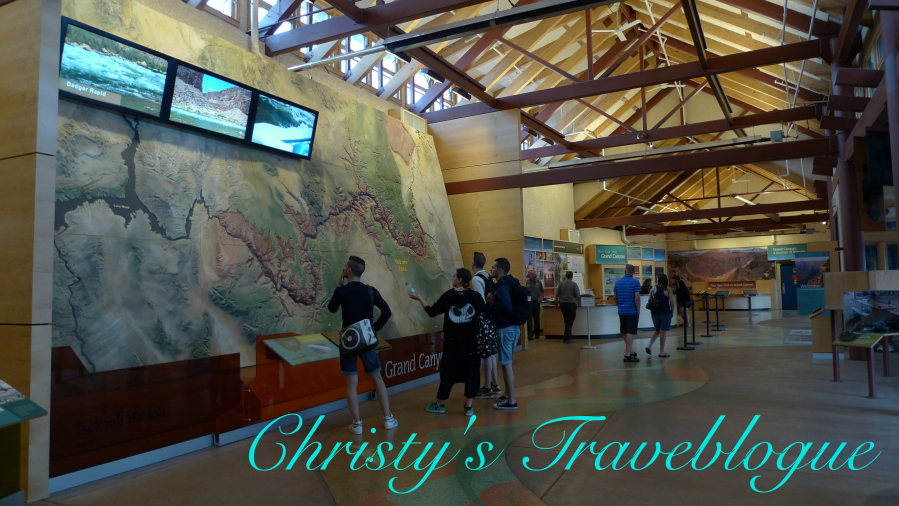
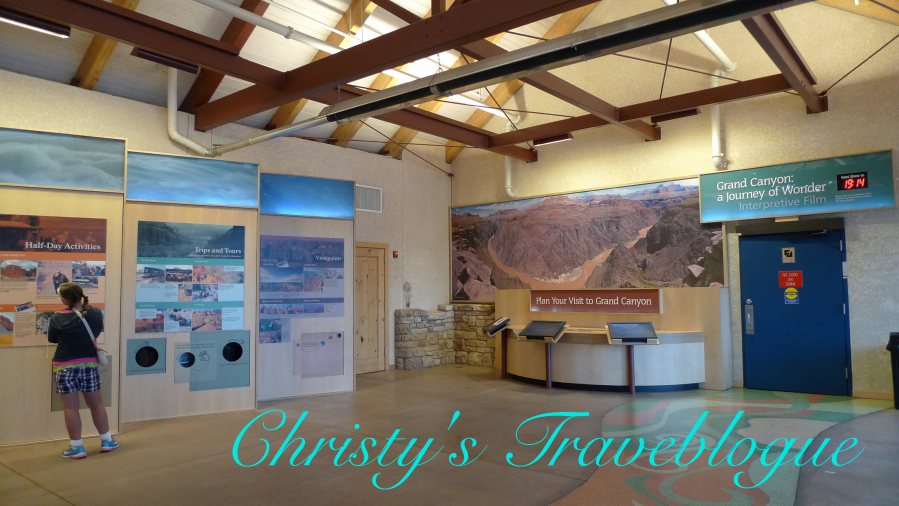
The technicalities of the formation and the scientific facts of the Grand Canyon is an interesting read, with most of the elements associated with the field of geology, and one can even take a tour in the Grand Canyon Visitor Center located at the South Rim of the canyon where large boards display the facts and stories behind the Grand Canyon in a detailed and interactive manner.


P1300509_Fotor

(Inside the Grand Canyon Visitor Center)
P1300514_Fotor

P1300511_Fotor


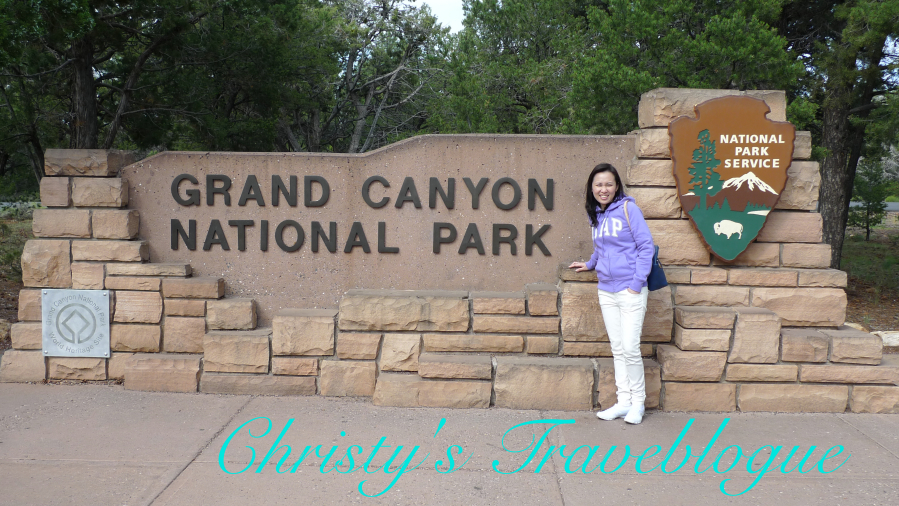
While the Grand Canyon can be viewed from its North and South Rim, it is the latter which is brimming with activity and provides one of the more spectacular views of the canyon, and the former is a much quieter zone, though it can still be accessed by the Arizona State Route 167.
The South Rim is popular probably due to the establishment of the Grand Canyon National Park, which drew most of the visitors and geology enthusiasts to the site with the availability of accessibility and resources (or view) of the Grand Canyon.
P1300569_Fotor

P1300526_Fotor


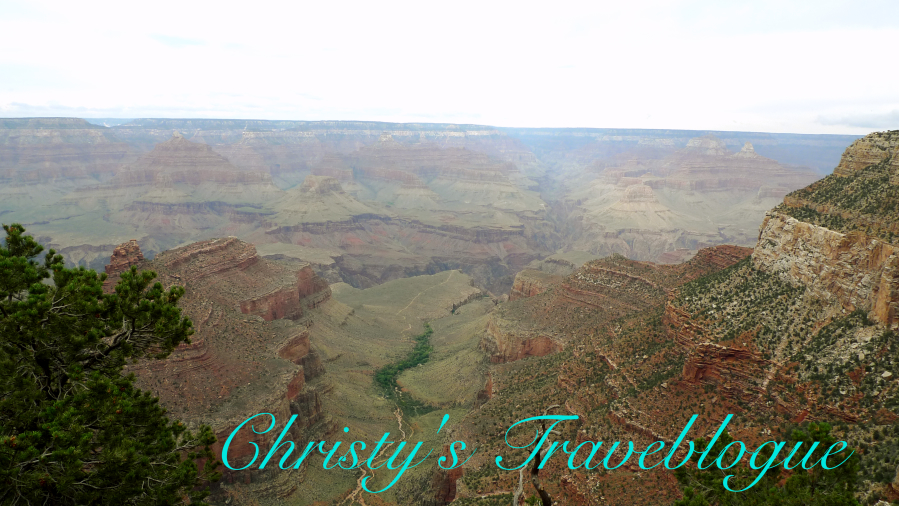
The technicalities behind the entire story of the canyon’s formation could take more than a simple post to describe, and I may not be the best expert to explain but simply put, if one is imagining or wondering the sight of a canyon, just think of a super sized basin or a bowl.
It is basically a river basin; which is formed by continuous processes of erosion.
Think of the water, flowing from streams, gently touching the rocks as it flows, and as time goes by, it erodes (practically lightly ‘eating’ away at the surface of the rocks, causing some parts to diminish or deform). The process is not an immediate one to the naked eye, and takes years, millions of years to create an impact, which explains the timeline of the formation of the Grand Canyon which dates back to, and well, debated still, to an approximate of 17 millions of years ago.
The multiple layers of the canyon are also caused by the uplifting of the plateau, filled with dense forests and the crossing, or intersections of multiple streams (also known as tributaries) cutting across the rocks, gently or deliberately forming the natural shape of the walls which appear like the side of the basin and that, forms what we term as the canyon.
P1300528_Fotor

The Grand Canyon is indeed a sight to behold, and is the pride of the state of Arizona, in which it is located and no doubt, of the United States of America as well.  
The beauty and wonder of the natural landmark is so treasured that it is under the federal responsibilities to preserve it, and as their former President Roosevelt mentioned, “for generations to see”.

While the Grand Canyon had nestled in the heart of the Americans long ago, it was only in 1919 that the Grand Canyon National Park was officially established.
President Theodore Roosevelt had it in his best interests to preserve this amazing beauty but it was years before the natural preserve park saw daylight. Bills were submitted to create the Grand Canyon National Park, and the park was even considered the second to the Yellowstone National Park in the United States of America.

The Grand Canyon National Park Act was put through and successfully approved by President Woodrow Wilson, and thus became one of the most visited attractions in the nation, attracting tourists from the nation and worldwide to witness the magnificent wonder that America stands proudly for as it sits on their land.

Americans, and the state of Arizona have every reason to be proud, for the Grand Canyon National Park was not only one of the nation’s oldest national park, it is also recognized and announced as one of the UNESCO heritage sites in the world.
If that is not enough, the Grand Canyon even earned its spot and put on the list to be considered as one of the World’s Natural Wonders, or famously known as the Seven Natural Wonders of the World.
While the list evolves with a few exceptions of permanent residents, to be even considered to make it to the list is honorable enough and says much about the greatness of one landmark, and for that, Grand Canyon definitely stands tall in its might, while maintaining its dear spot in the hearts of all the Americans.

There is no end to the praises for this amazing landscape, and words alone do no justice to describe its breathtaking sight.
While it was said that the Grand Canyon’s scene is at its best under the sun, where the light enhances its striking features, the dazy weather still failed to mask the natural beauty of the canyon.
The weather was rather cool at the site; considerably, compared to the rest of the state of Arizona (which is warmer), partly because of its geographical location where it is slightly elevated and located on higher grounds.
Clouds and light breeze accompanied me on the day I was there at this amazing landmark, and it appeared that it was also the low peak season then, possibly due to the eluding clouds which blurred the natural colors of the canyon.
The sun acts like the natural lighting to magnify the rich colors of the layers in the canyon, and is naturally the preferred background when one takes in the view of the Grand Canyon, despite the heat one has to endure.
Pro and con definitely, but I can still attest to the fact, that the stunning view of the Grand Canyon is unfazed by the misty state, as my jaw still dropped (literally) when I had my first peek of the canyon as I stood at the edge of the viewpoint.
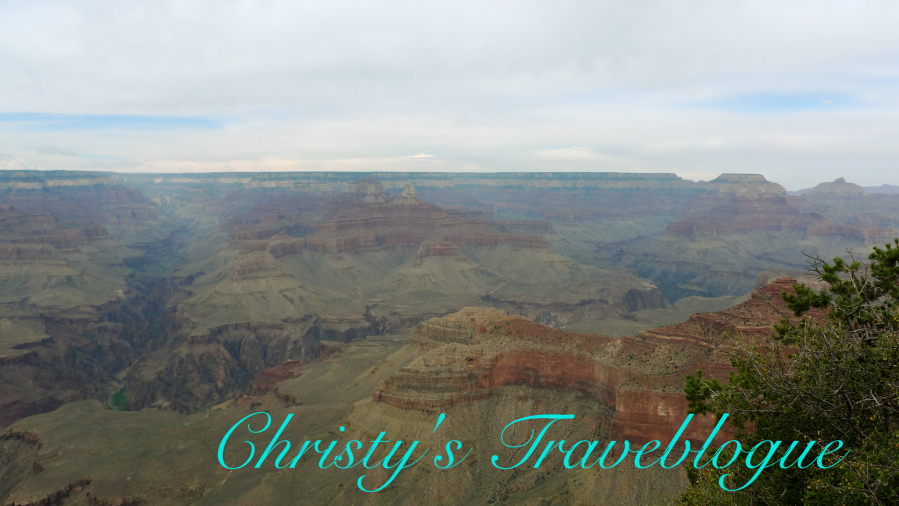

P1300560_Fotor

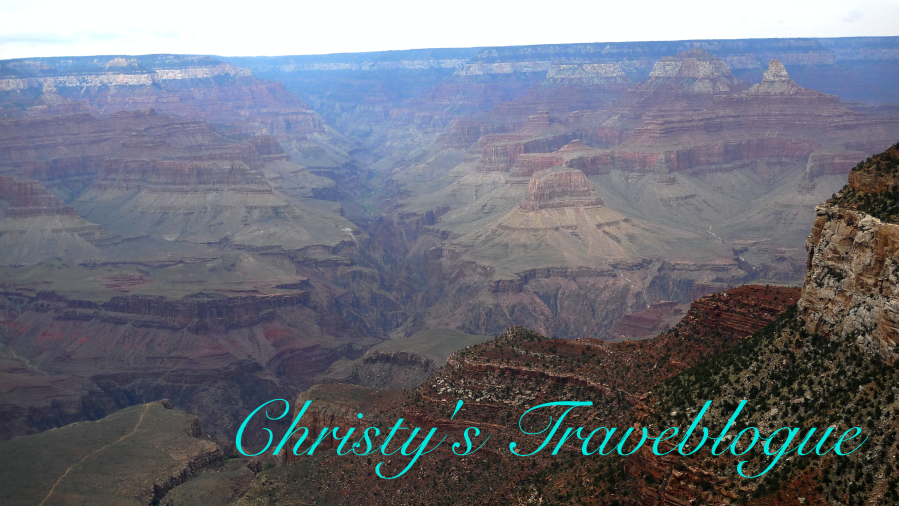
The image of the Grand Canyon, packed with the complexity and beautifully carved child canyons amalgamated with the depth, size and the colors contributed by the varieties of rocks sitting on layers (they were believed to date even back to the Precambrian times), definitely sticks in one’s mind and perhaps, I would say, secures a permanent position in one’s memory for life.
At least, I would say that for myself.
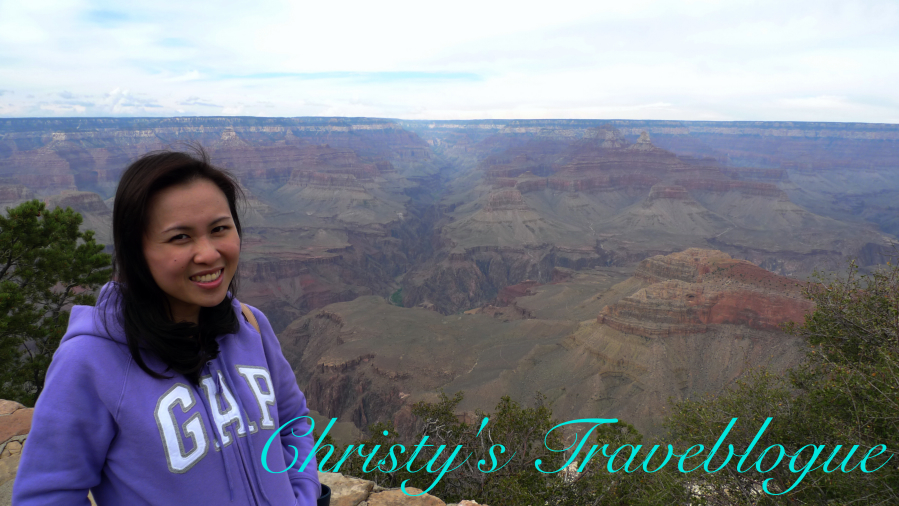
P1300553_Fotor


This is definitely deserving of one of the wonders of the world, and I definitely would call for it to be preserved though I am sure it is pretty safe in the hands of the nation, and furthermore, UNESCO has definitely spoken with the granting of the heritage title.
President Theodore Roosevelt, you have definitely spoken everyone’s mind with your words and I can’t agree more, for those, were my sentiments, exactly.

May Grand Canyon continue to be preserved in its natural and pure state, for generations to come and be awestruck by its allure and exquisite demeanor.
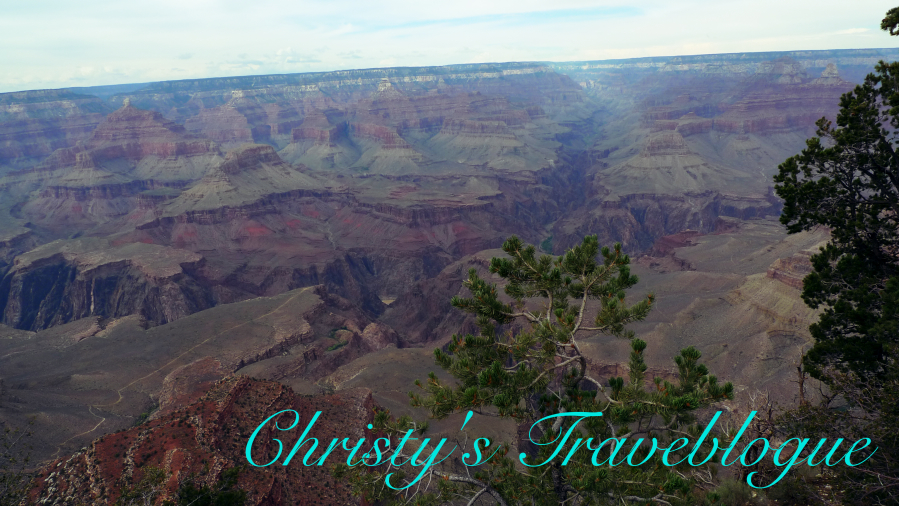
P1300546_Fotor


I look forward to be back, Grand Canyon!


Tuesday, April 22, 2014

Taiwan Travelogue: Beautiful Sun Moon Lake (日月潭)


There is simply no end to Taiwan's scenic wonders and wandering away from the capital Taipei, we entered Nantou County, to explore a beautiful area which have earned a spot on Taiwan's 13 Most Scenic Areas; the naturally breathtaking Sun Moon Lake.


Sun Moon Lake, located in Yuchi, Nantou County, is the only natural and largest lake in the whole of Taiwan, and her beauty, with its large coverage and clear blue sparkling waters (emerald green during certain times of the day) has attracted many from near and far to experience the wonders of the lake.
The surface area of the lake covers an approximate of 7.93 km2 (3.06 sq mi), depth of 27 meters (89 ft) and at 748 meters (2,454 ft) elevation above sea level.


The astounding beauty of the lake has drawn tourism to the area over the years, alongside wedding photography locations and destination for newly weds to spend their honeymoon here.
I have heard so much of this lake since my childhood that it was indeed an exhilarating moment to finally be here to experience the beauty for myself, and I was clearly not disappointed, as I am personally a lake lover myself.

The width of the lake spans over the entire area, known as the Sun Moon Lake area surrounding the Lalu island, which can be reached via a bus from either Taipei or Taichung after alighting from the HSR. For more instructions on how to get here, you can refer to this link.

There are many options getting around the island, and upon arrival you will find many locals approaching you offering you a ferry ride which would take you around the lake and the scenes around the island.

Like most of Taiwan, the Sun Moon Lake area houses the aboriginal tribe of Thao.
In fact, it was the Thaos, being the native residents on this area which led to the discovery of this spectacular lake.

As legend goes, the Thaos were on a chase after a peculiar white deer; which was rather unique for its species over the mountains. The deer, panting to escape through the mountainous area and the tribe, hot in pursuit eventually came to the area of the lake. The sight of the lake took the tribal natives by surprise and they were astonished with the find which was not just a gorgeous lake but one that they found was abundant with fish; a blessing to their daily income and living.
The white deer, in turn was being honored in gratitude for the find, and a statue was made of marble as a tribute to the deer on the Lalu Island, which is an island in the middle of the lake and is regarded as a sacred place to the tribe.

The uniqueness of the lake lies in the distinct characteristics and the shape of the lakes which were defined by its sun-like shape on the east side, with a circular shape while the west side is shaped in the crescent style of a moon which led to the birth of its name, Sun Moon Lake.
The Thao tribe were the ones who gave the name based on the shape of the lake, which was rather unique. It would probably be a little hard to make out the shape of the lake from the shore, unless you have a panoramic view or an aerial view to be precise.

However, the views of the lake can be observed from various spots, and from each angle, the lake just looked as stunning as ever. Of course, that would depend on one's preference; if you are a lake lover, then like me, you will think nothing of sitting by the lake for hours and just looking out in the distance to enjoy the view.

Views of the Sun Moon Lake from different spots and times of the day


Sun Moon lake in the evening at dusk


Sun Moon Lake is indeed a romantic place, with its natural and breathtaking peaceful environment and the views are best to be enjoyed with loved ones, hand in hand accompanied by the cool breeze and the sounds of laughter against the backdrop of the clear waters, mountains and the fading/emergence of the sun rays~


To be continued with more of Sun Moon Lake's attractions...


Monday, April 21, 2014

Taiwan Travelogue: Waterfall of Wulai (Wulai Falls)


The Waterfall of Wulai, also known as Wulai Falls is one of this little town's main attraction and is truly a gift from nature.

Gushing with the white water falling over the rocky cliffs on to the sharp rocks below, it was a captivating scene and the surrounding just make up the picturesque effect with the sparsely green moss and trees on the cliffs toned with the gray rocks and the frothy white tumbling down into the greenish waters of the spring below.


Be enthralled by the magical scene of nature in this area, and enjoy the sweet sounds of nature.
From the chirping of the birds to the continuous rumbling sounds of the water in the background, one will truly feel in tune with nature.


The scenic view points of the nature around the area, where one can take in the waterfall from the different panoramic angles offered.


Sure, it will not be as spectacular as some of the greatest falls in the world but this is still the pride of the local Wulai townsfolk for its striking natural beauty, and it has also proved that it could also be a crowd attraction, with its simplicity in the hands of nature.

The mesmerizing colors of the falls and the background just whisks me away to a dreamy nature paradise whenever I look at these photos, and is definitely wallpaper-worthy ~


Thursday, April 17, 2014

Taiwan Travelogue: Wulai Hot Springs (烏來)


Jade green waters with bridges over them, flowing over the gray rocky river bed with a white overcast swimming with the shades of green amidst the lush mountainous backdrop is a picturesque definition of what many would imagine to appear in a typical Chinese art drawing. The reality is not that far from the ideal picture as the above is the exact description of a little aboriginal town tucked away in a remote part away from the buzz of the city of Taipei.

Known for the breathtaking scenery from the colors of the spring and the mountains, Wulai(烏來) is no strange land to many attracted to its well-preserved nature and the unique nativity of her aboriginal inhabitants' culture; the Atayals. The Atayals were the ones who named this place; with their phrase in their local language of kirofu ulai, which translates to the terms 'hot and poisonous'.
However, the terms do not rightly justify the beauty and wonders of the place where the breathtaking scenes just weasel their way into the minds and settle there, leaving one with the memories to last a lifetime.

The charming little town which requires a 40 minute to an hour's bus ride from the Xindian MRT station (Bus No.849) draws crowds to its natural hot water springs; which is more superior in its quality as it is cleaner and unlike Beitou, it is also free of the odor from the sulphuric waters, making it an ideal place to enjoy a soak or a bath. The Atayals' term 'ulai' which slowly translated to Wulai, is synonymous with hot springs, and it is no wonder the place is filled with hot spring resorts.
There is also the option of enjoying the hot springs for free, following a designated path after crossing the bridge and walking up a little further where to the right there is a stairway leading to the river. Swimming wear is mandatory as this is an open area.

The scenic view of the river and peeks of the town can be enjoyed from the bus ride; which takes one on a zig zagging ride into the remotest parts of Taipei and offering captivating glimpses into the nature. Be prepared to be spellbound by the sights along the ride, especially when one is about to approach the town of Wulai, which happens to be the last stop.
The hues from the river is mesmerizing and keeps one in suspense as one waits with bated breath for more revelation of the flow at the end of the journey.
(The river could be better viewed with seats on the right of the bus).

Scenes from the bus ride:


The unmistakable red bridge over the tempting jade green waters with a temple in the background is the first scene to greet the excited visitors as one alights from the bus at the last stop.
This picture perfect scene is enough to capture one's attention of what Wulai has to offer in its spectacular opening scene upon arrival at its entrance (the bus stops at the station).


The enchanting colors of the water flowing in the river is enough to send the adrenalines pumping for the adventures and surprises awaiting visitors to this little town, which has kept her secrets well-guarded from the hustle bustle of development and modernization and by the looks of it, unperturbed by the commotion in the big world out there.


One just can't wait to jump into the waters, literally, for me, at least, as the waters are just so calm and flawless that they looked like they have emerged from a fantasy land which only exists in the fairytales.


This is a place where the tale is as old as time, and the song is as old as rhyme, and the tales are about to continue with the revelation of Wulai's treasures....stay tune...

Wednesday, April 2, 2014

Taiwan Travelogue: Yangmingshan National Park (陽明山國家公園)


Yangmingshan National Park (陽明山國家公園) is another attraction in the area of Beitou; one of the eight national parks of Taiwan, located between the city of Taipei and the new Taipei. It is listed as one of the most scenic wonders in the country; and boasts of the beautiful cherry blossoms, fumaroles, hot springs, hiking trails, grasslands, sulphur deposits, sceneries and even an inactive volcano, just to name a few of the gems kept so proudly over the years.
The inactive volcano mentioned, is also one of the highest peaks at 1,120 metros high; Qixingshan (Seven Star Mountain); among all the other inactive volcanoes in the country.

The secrets behind the grassy lands and murky white water filled with sulphur deposits landscaping the national park are many; from the treacherous paths along the hiking trails to the cattle resting to the secret burrows of the poisonous snakes, there is just something to surprise the unaware traveler who visits the national park. It was all part of the package that comes with nature; and the beauty of the breathtaking views here makes up for it.

Yangmingshan had her past with the Japanese during their occupation here; from the transporting of cannons along the zigzagged Japanese trail to the secret base of the Japanese military, parts of the park were important to the strategic planning of their establishment during the colonial era.
During the Japanese rule, the park was known as Datun National Park (大屯国立公園), evolving from its original name of Grass Mountain (草山); a name which was given to the place dating back to the Qing Dynasty.
As the story goes, it seemed that the sulphur deposits in the area were prized possessions and often eyed by the thieves in the area so much so that the officials would secretly set fires to the mountainous area to keep them away. Most of the trees were burnt down and only the grass were left; leaving vast grasslands everywhere and in a rather unattractive state. The trick worked to keep the thieves away but also keeping visitors at bay from visiting the mountain.
While the first national park in Taiwan was established in 1937 during the Japanese occupation period, it was only after the World War 2 when the KMT (Kuomintang party) renamed and put the place together to establish it as a national park.

Grass Mountain; as it was originally known, was then named Yangmingshan National Park in commemoration of the famous scholar, Wang Yangming from the Ming Dynasty, by President Chiang Kai Shek in the year 1950 and works of restoration of the natural beauty of the land followed soon after in the year 1962.

There are many scenic spots and points of interest to look out for while in Yangmingshan and one just need to hop onto the bus which stops at each and every of the point along the way; taking you on a wild ride through the national park.
Oh, and make sure you have your Metrolink card with you(and it's loaded with credit) to tap onto the reader on the bus each time you hop on and off. (yes, it's not a free ride)


The recommended scenic spots:
1. Tianmu Trail (天母古道)
2. Lengshuikeng (冷水坑)
3. Qingtiangang (擎天崗)
4. Xiaoyougeng (小油坑)
5. Mt Qixing (七星山)

I did not manage to stop by each and every one of them; not due to the time constraint, but rather due to the cold weather even with my windbreaker and warm sweater on.
The wind chills up here on the mountains can be really bone-chilling.

The following are my favorite spots:-

Xiaoyougeng (小油坑)
This is probably the best recreational spot in the whole of Yangmingshan; from the rising steam or gases continuously spewed from the sulphuric passages to the sights of bubbling hot puddles and the odor of sulphur, all ready to take you on a scenic journey you will not forget.
The yellowish color from these sulphuric vents spotted provides a rather beautiful image, though one may need to bear with the pungent smell of the sulphur at the same time.


Although it is an inactive volcano, post-volcanic activities are evident in action here; through the upward/outward spewing of the steam caused by the continuous heating of the water underground by the residual heat as a result of a volcanic eruption. These formed the steam which can be seen rising here through the rocks; forming the many fumaroles and hot springs, solfataras and the landslides landforms in this area, which are part of what makes the attractions here.


A panoramic view of the area


Qingtiangang (擎天崗)
This is another interesting spot; with vast areas of grassland where it was once an important spot for the grazing of cattle during the Japanese occupation era. It seemed that the tradition stays until today.
The fertile ground was a result of the lava flowing from the Mount Zhugao; forming this lava plateau and a rather level terrain (elevation of an approximation of 770m) filled with a wide area of grassland.
It was indeed a peaceful and enjoyable sight; and a good reference to the term 'green pastures'.


Besides being a land, the level terrain also was located at a strategic location between the Mount Zhugao, Mount Huangzui and the end of Mount Dajian, which linked to the Mount Qixing mountainous areas. This provided a direct route from Jinshan to the Shilin and Tianmu areas, coming from Qingtiangang and this was taken advantage of the natives who used it as a major base for transportation back in the early days of settlement.
There are many trails to the Japanese occupational era; with the zigzagged paths of the Japanese trail where these trails were used to transport weapons (mainly cannons) down the road. Then there are also anti-airborne pillboxes and military sites which can be found if you were to follow the trail guides and take a walk around the area.
(Qingtiangang Loop Trail, Jinbaoli Trail Gate where they used to transport food, Mount Ding-Mount Shiti Trail where there is a Japanese fir forest and the famous Oldham's Azalea along the area).


A panoramic view of Qingtiangang


Yangmingshan National Park, was unique in her own ways and provides a memorable scenic journey into the beautiful nature that Taiwan is so proud of, making this unarguably one of the top attractions in Taipei.
Getting there is easy via the train which one can take to Taipei Main Station and then take Bus 260 which will take you directly to the Yangmingshan station where you can hop on the bus to get to the the spots mentioned above.

Tips for enjoying Yangmingshan:-
1. The temperatures are significantly lower in the mountainous areas; particularly during the winter season and it is recommend that you bring along a down jacket or just pile on layers to keep yourself warm during the period. Otherwise, you could find yourself freezing instead of enjoying the scenic views.

2. As this is nature, it helps to put on good walking shoes which are meant for a little hiking as well. Slippers, flip flops or heels are not recommended. Jeans and thick pants would be good to keep you warm while up on the mountains; and with the strong wind, it is also not advisable to wear skirts or dresses.

3. The buses are pretty much in the forms of small vans and it can get really crowded as people get off and on at various stops. Hold tightly to the rails, as the roads can be rather winding in nature and one could easily lose balance. If there are elders boarding the bus, it goes without saying that you should offer your seats as it would be dangerous for them to keep their balance while on the winding road.

4. Follow the instructions on the signs posted at each of the scenic sites and do not attempt anything funny; such as going near the fumaroles or hot springs if you are forbidden to do so. The signs are there for a reason, and please respect them for your own safety.

5. Make sure your Metrolink card is loaded with credit to pay for the bus fares and also enough for your return trip home (including the train).

Lastly, bring along your camera with additional batteries or memory/SD card and enjoy the view offered by the beautiful Yangmingshan!~

Protected by Copyscape Online Plagiarism ToolProtected by Copyscape Online Plagiarism Tool