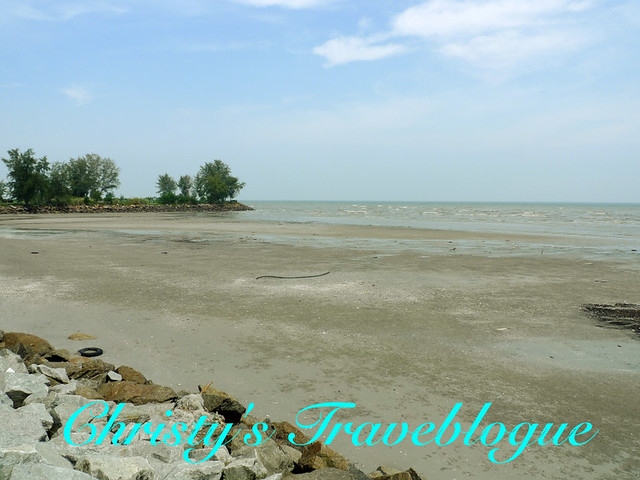
Ask any city dweller their ideal concept of a short getaway and you
will probably get majority of the responses in the direction of heading out of
the city; to the outskirts of the city and there is no doubt images of sea, sand,
lush greenery, blue skies and the serene sounds of nature would fill their
minds.
Well, majority, that is.
(I would not mind going to another city though; or say no to that idea,
because I have such strong love for cities. It is in the blood).
It is not that we do not have blue skies or even that slightest sign of
nature in the city; maybe not really that blue on days when it is all shrouded
in the thick haze (which is pretty much most of the days), and we do have
trees, planted on the roads where we travel to work every day. Young budding
trees which peek out with their thin and frail branches in that peek-a-boo
manner as they stand in that well-distanced line along the road dividers,
choking in that massive clouds of carbon monoxide while doing their best to
breathe and balance their supply of oxygen and carbon dioxide at the same time.
That, is pretty much our definition of blue skies and nature in the
city.
Maybe not to such an extent, though there is still that truth in it and
adds to that longing in the hearts of the urban folks to crave for that fresh
crisp air and the sweet sounds of nature once in a while.
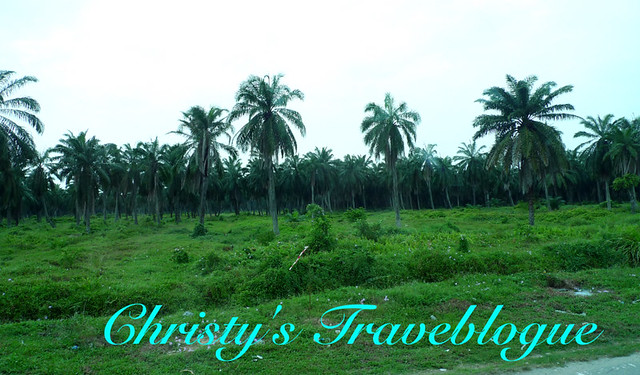
If you are living in a city, you’d understand.
(City-born are still quite used and have grown accustomed to their
environment, but anything out of their daily surroundings will still fascinate
them to the core – just make sure that the conditions are bearable with no
cripple in their basic needs).
That is why you always see city folks jump for joy whenever they are
presented with a simple view of the sea and sandy beaches, along with verdant
greenery and dense jungles. It immediately brings peace and calmness to their
senses.
While there are many locations out of the country promising such ideal
getaways, there are also plenty to be found locally and one need not look too
far to search for it.
If you are living in the city of KL, one of the nearest location and one
of the best hidden spots (until recently) is this little fishing village town
along the coastal shores of Selangor.
Just a few kilometers; or 15km north of Bagan Lallang (another popular
destination), Tanjung Sepat is a homegrown coastal town in the Kuala Langat district
of Selangor (the state bordering the Federal Territory).
This humble town is all about fishery; with
most of the economy centering on the fishing activity and also the trading of their
haul from the sea.
Of late, the town has caught the attention of many, with the boom of
the Sepang Gold Coast which attracted many visitors to take that trip off the
beaten path and landed them in this small fishing village of a town.
The size of the town and its location tucked away far from the city
makes it relatively easy to navigate and even to explore on one’s own.
An itinerary would not be too much of a fuss to plan, for the locations
are focused in a few primary spots and do not need much traveling distance from
one to the other.
The laidback nature of the town is one of the main attractions, and
their specialties, while may not rival the long lists of other tourist
destinations are still held proudly by the locals.
One Day, that’s all you will need to explore what Tanjung Sepat has to
offer.
(and that includes a seafood meal with the seafront view as well)
Things that Tanjung Sepat is famous for, can be summarized simply:-
1. Seafood
2. Fish-based Products
3. Agro-based products
4. Pau
1
Start the trip early in the morning; it takes approximately 2 hours or
so to drive from the city to this town and be ready to enjoy the views of the
beckoning sea as one reaches the part of the outskirt, or coastal area of the
Selangor state.
There are a few farms to explore, and as I was on a guided tour (it was
a trip courtesy of my company), we stopped by the Dragon Fruit farm.
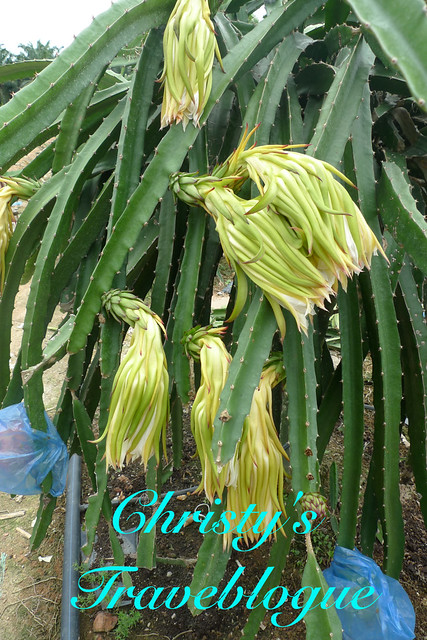
The Multi Rich Pitaya farm is an eye-opener; well, at least for ignorant city folk like myself, presented with that opportunity to see the dragon fruit locally grown in their modestly sized plantation.
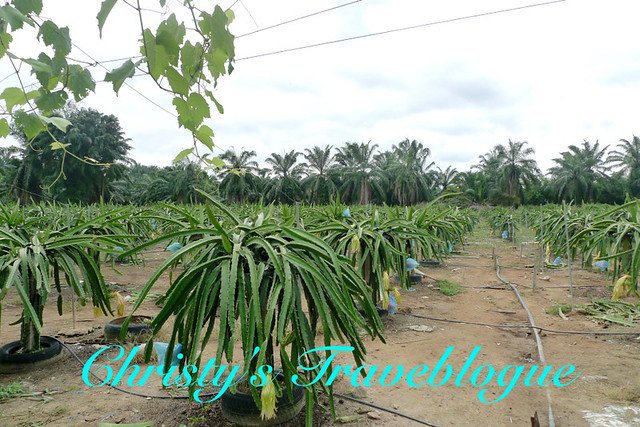
It is my first time, seeing that very tree, or rather cactus-like plant
sprouting the baby dragon fruits (in their stages of growth).
The plants were somewhat terrifying to me; in their expansive
flourishing style (some even sprawling-like) with the fruits growing on the
ends of their seemingly sharp claw-like branches.

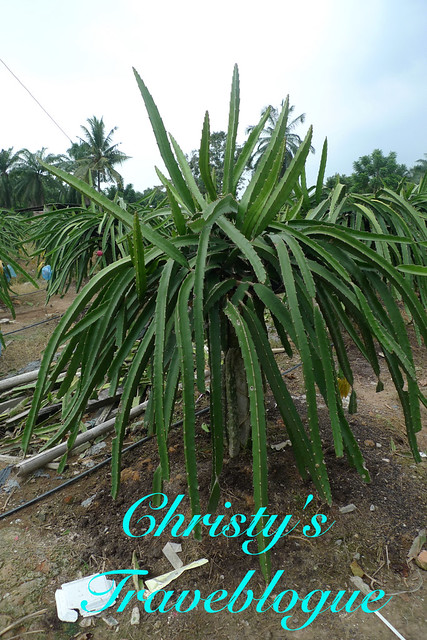
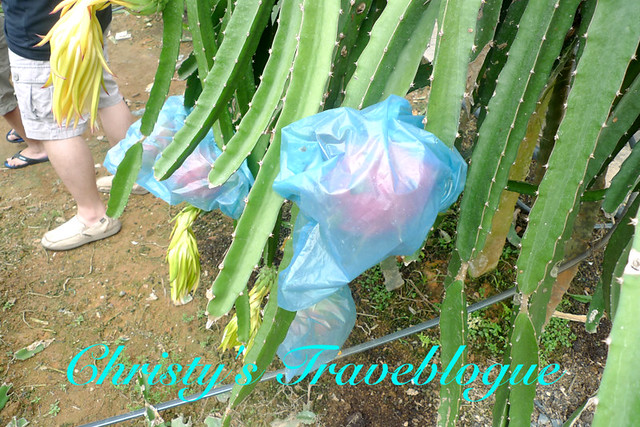
The pitaya fruits (the more generic term for the dragon fruits, as they
are also known) are wrapped with plastic bags to avoid birds pecking at them,
or insects drilling into the fruits for commercial reasons.
These fruits are popular among the locals and are also exported in
multitudes to the cities and other states, some even to overseas (for the
larger plantations.
(The wrapping of fruits with plastic bags or newspapers is commonly practiced,
as a way to protect the fruits from damage, be it for commercial reasons or
even for personal consumption).
The fruits are also available for sale, and it is fascinating to note,
as the growers also generously demonstrate, that the fruit can be consumed in
many ways.
From direct consumption of the fruit to the extraction of the juice,
there is no doubt the natural sweetness of the fruit promising that relishing
taste is the main reason for its popularity.
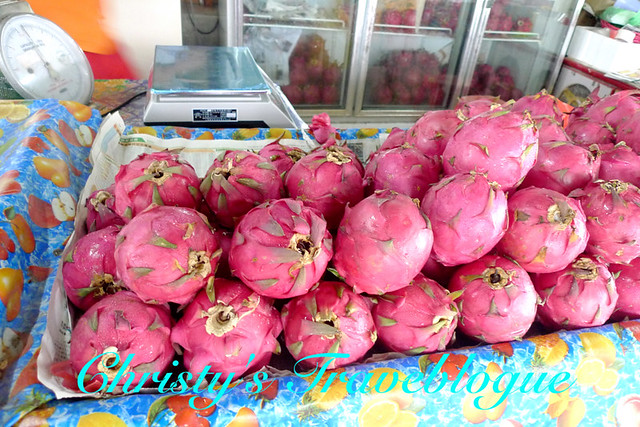

There are two types; with the colors of the flesh being the key
difference, mainly the white and the red, and here in this farm, they are
harvesting the version with the red flesh.
The red is the more popular version, due to the sweetness but the white
flesh is the one believed to provide the health benefits.
Fresh dragon fruits, and the flesh was excitably fresh and bursting
with sweetness.
Fresh consumed just like that, where they generously allow rounds of
sampling, the fruits are sold by weight or based on the general bulk by their
stated price.
It was quite reasonably priced and freshness is guaranteed when you buy
straight from the farm.
Enjoy the freshly made juices, or even take a swig at the ice sticks made
with the fruits themselves.
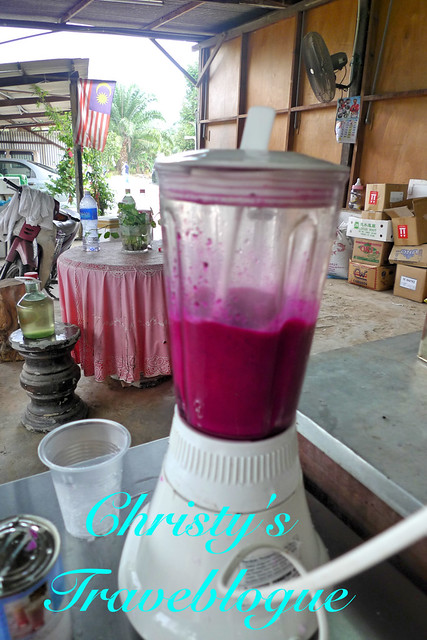
There is no doubt that this is indeed a very popular fruit; not just
for its flesh and health benefits but also for the enjoyable tastes and its
color have also made its way into the natural coloring ingredients to substitute
the artificial coloring.

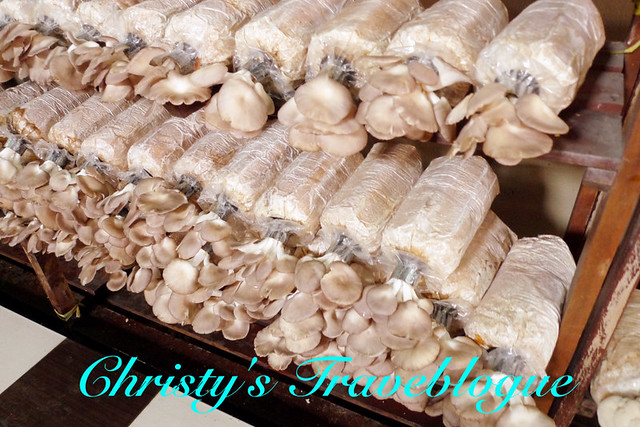
Gano Farm is also another of our stop; introducing the various types of
mushrooms.
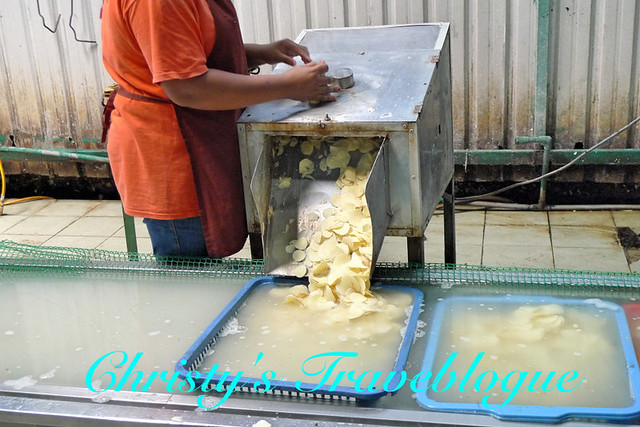
A Visit to a Potato Chips Factory
The making of plant-based chips
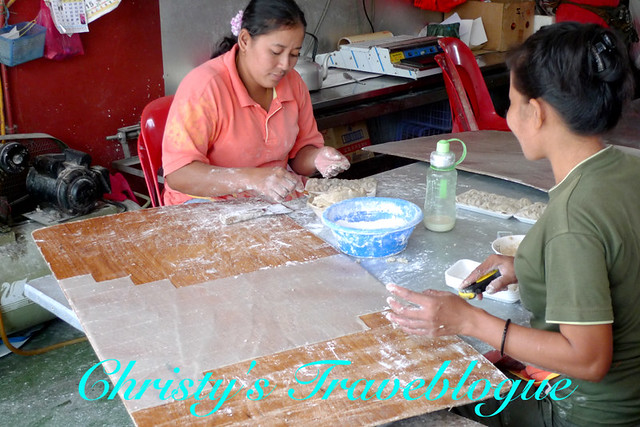
Fish-based products are definitely familiar grounds for the local
traders, and one can easily find a shop lot functioning as a mini factory,
arduously processing the sea products into fish balls, fish paste and other
fish-based products.
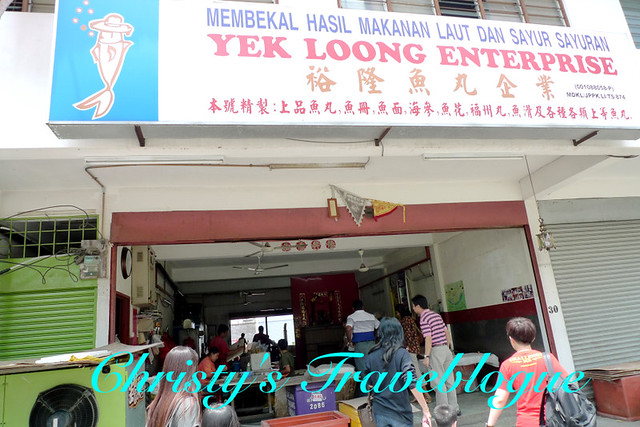
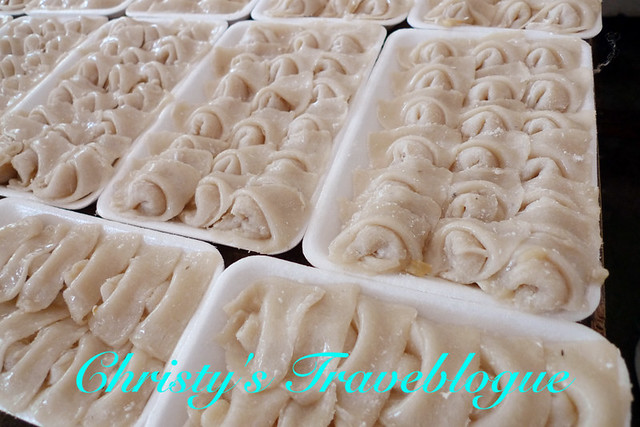
(Tanjung Sepat boasts of their locally handmade fish balls and fish
pastes, which are proudly fresh and springy in that bouncy texture, perfect for
fish ball lovers ).
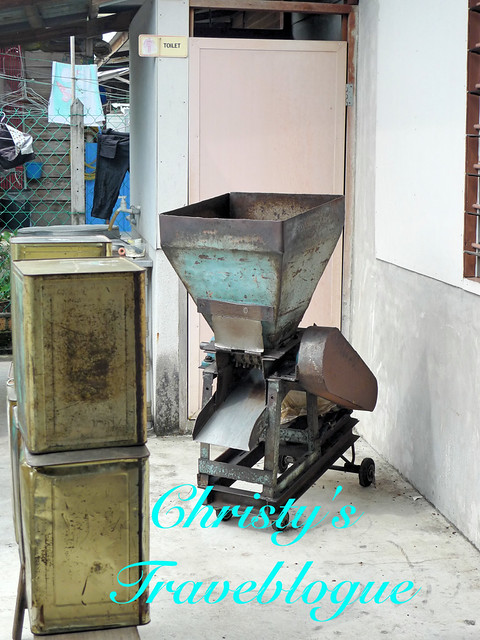
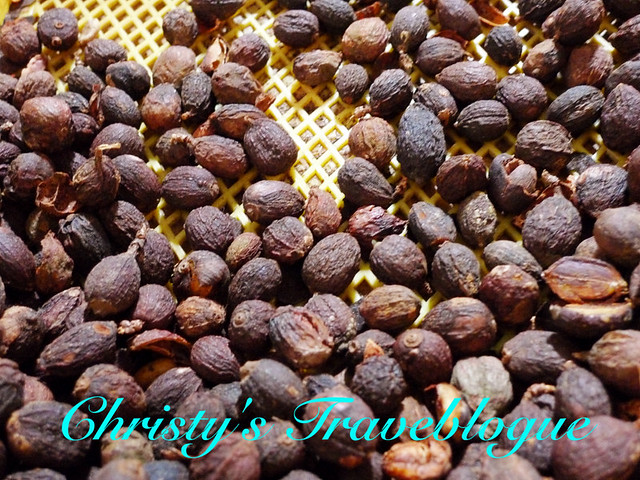
A side visit to a small home coffee trader taught us a little bit on
the coffee beans and also the art of making coffee. There is even an old-fashioned
coffee making machine to be found in the home.

 While perhaps irrelevant to the core of the town, it was still an
interesting side visit.
While perhaps irrelevant to the core of the town, it was still an
interesting side visit.
Enjoy lunch at one of the seafood restaurants, or even dinner, if you
would like to stay until later in the evening.
 I was not particularly intrigued with the seafood, which I personally
have tasted better elsewhere in other seafood-famed states or towns.
I was not particularly intrigued with the seafood, which I personally
have tasted better elsewhere in other seafood-famed states or towns.
One simply should not leave without a visit, or even taking away the
famous pau (steamed buns stuffed with filling of pork, sweet red bean or lotus
paste) and watch the pau-making process from that tiny glass window.
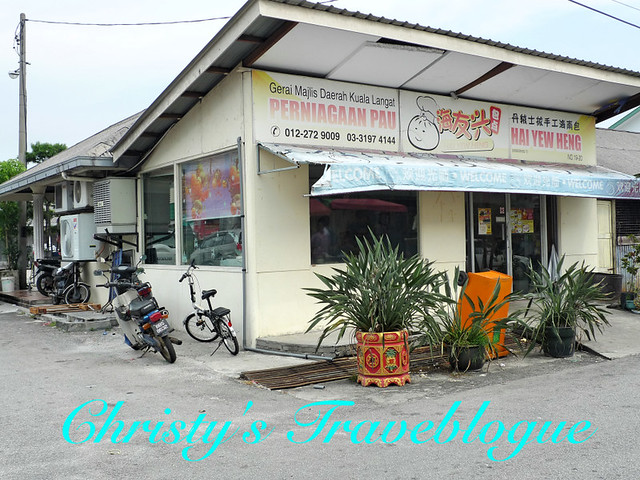 The small size of the shop is not to be belittled for the pau business
is massive and incoming orders kept the bun makers busy throughout the day.
The small size of the shop is not to be belittled for the pau business
is massive and incoming orders kept the bun makers busy throughout the day.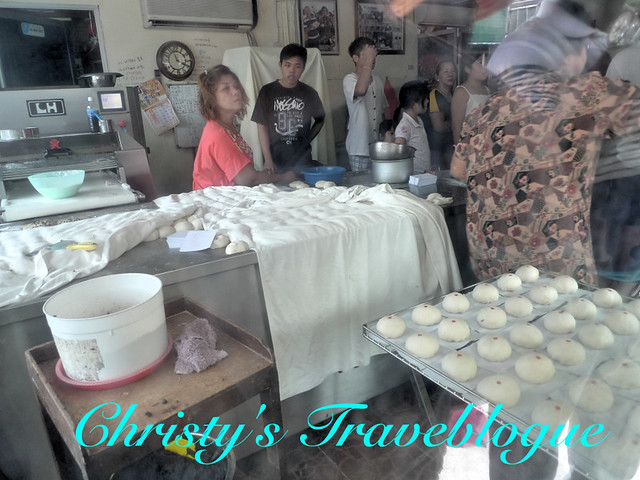 (It is advised to place your order early and collect them before you
leave the town, or risk the long queues or even disappointment of the
unavailability of the buns at the end of the day when they are all sold out).
(It is advised to place your order early and collect them before you
leave the town, or risk the long queues or even disappointment of the
unavailability of the buns at the end of the day when they are all sold out).
A few things I may not have covered in my trip, which included the
famous Tanjung Sepat Lovers’ Bridge which was dangerous in its state and at the
risk of falling down (which it did after that – read here, thus the reason for
it being closed off to public at my time of visit)
I have also missed out on the Seafood Steamboat and the Seafood Bak Kut
The (usually served with pork), but I guess that would warrant another visit?
In a nutshell, it is just an ambitious task of a day but Tanjung Sepat
is definitely one gem of a fishing town fast growing in its popularity in the
tourism segment, attracting local visitors from the cities and other states,
with its humble offerings and hidden treasures proudly displayed for all to
enjoy.
All in just One Day, and one can momentarily take one’s mind off the
hustle bustle of the city!
LIKE my Facebook Page
Follow Me on Twitter @Angelstar
Follow my Google+
Stalk me on Instagram @AngelstarChristy


