Showing posts with label China. Show all posts

Tuesday, March 20, 2012

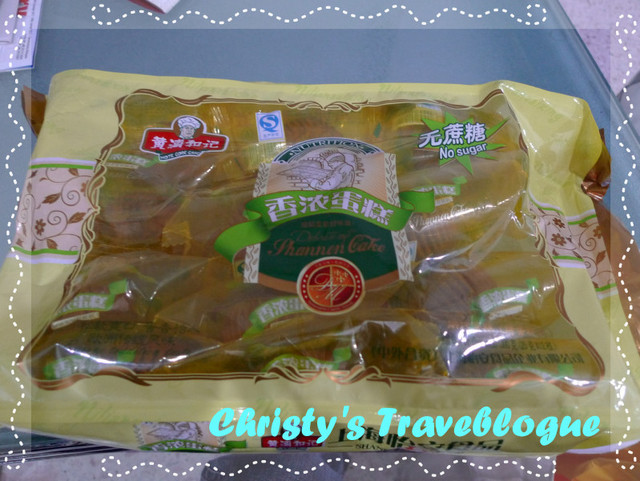
Some snacks from China

A glimpse into the types of packed snacks from the China trip...
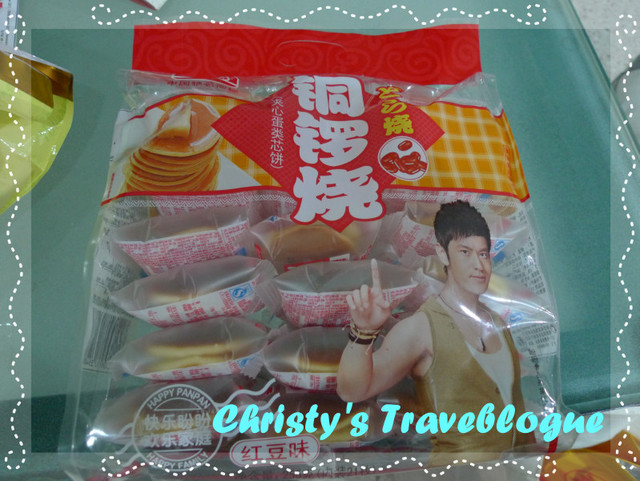
Healthy and sugar-free western cakes
Image Hosted by PicturePush - Photo Sharing

Mini red bean dorayaki cakes
Image Hosted by PicturePush - Photo Sharing

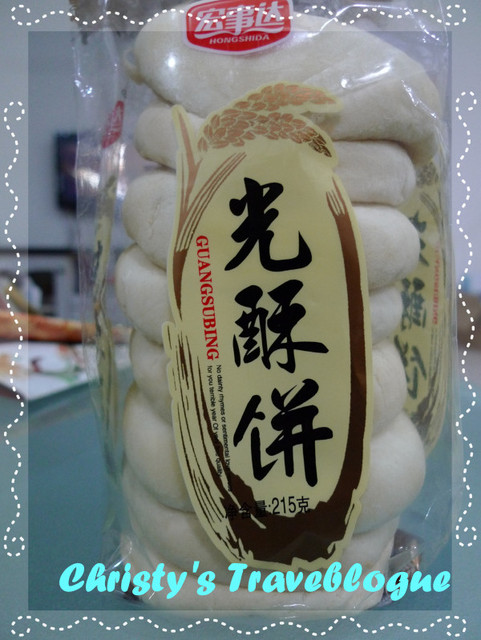
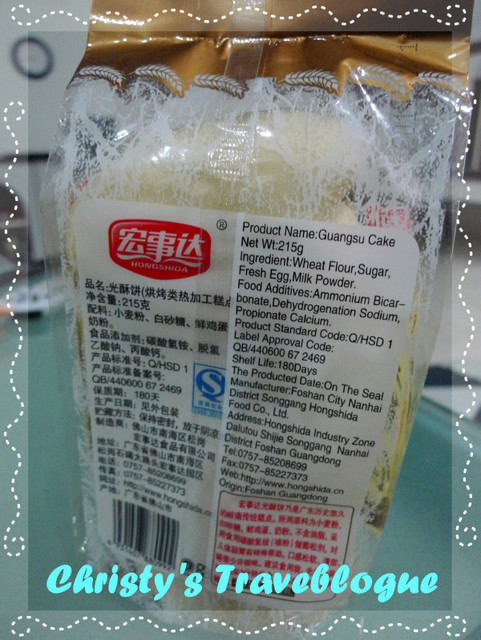
Authentic Jiangsu biscuits; totally different from the ones locally found in my country!
Image Hosted by PicturePush - Photo Sharing

It is fun exploring the stores for stuffs like these, and everyone gets a 'taste' of the place where we visited!:)

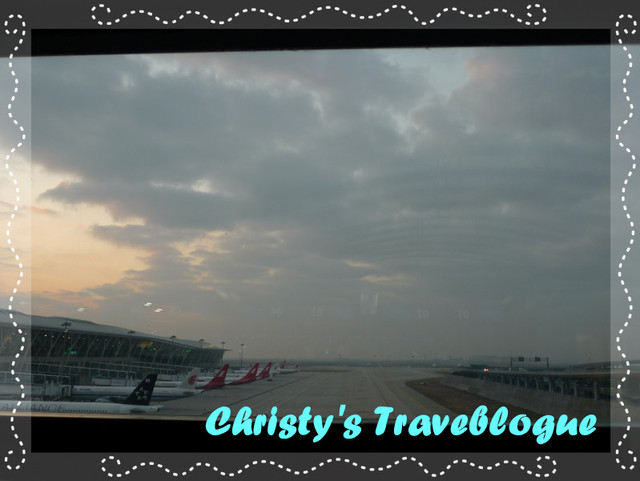
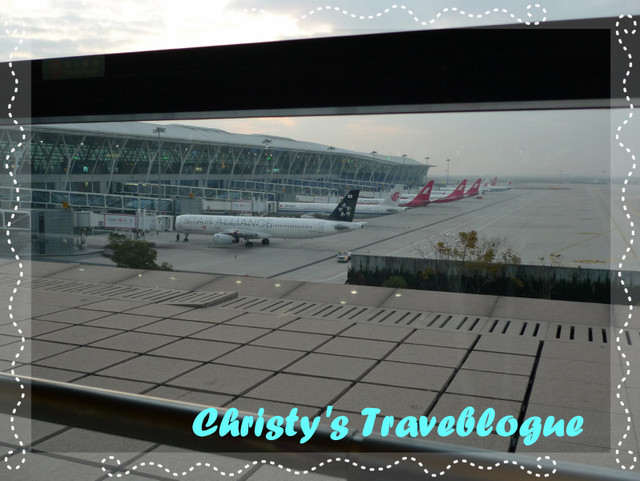
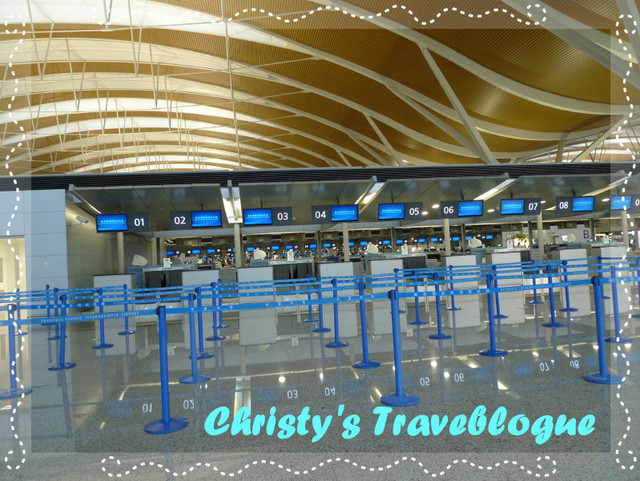
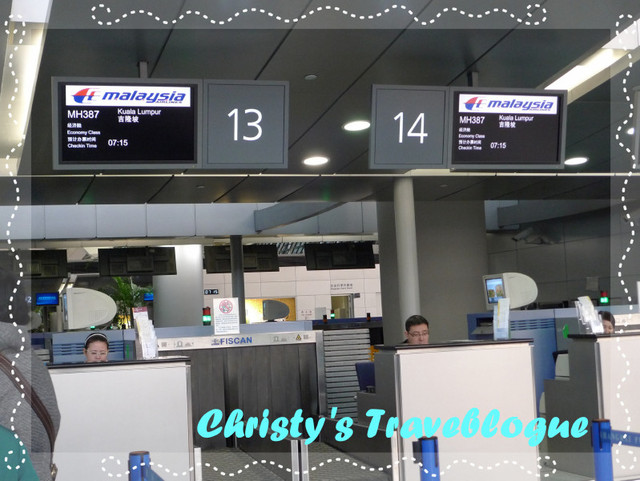
Saying Goodbye at Pudong

Image Hosted by PicturePush - Photo Sharing

A trip always has to come to an end; although it is really hard after enjoying a week of exploring and experiencing a different culture.
No wonder they say that it is quite hard to say goodbye.

We rode in a chartered car to head to Pudong International Airport from Suzhou; where we took off to head back to home sweet home.
Image Hosted by PicturePush - Photo Sharing

It may have been a great trip, and though I enjoyed it, I was looking forward to home.
Image Hosted by PicturePush - Photo Sharing
As they say, home is always the best place; especially after wandering through different places.

I foresee many trips to China in the future, so it's not really goodbye anyway.

The finale to the string of posts on my trip end of last year, and looking forward to my upcoming string of posts; to reveal my actual honeymoon trip, following the earlier prequel
Stay tune for more exciting travel posts...

Exploring the morning market

Image Hosted by PicturePush - Photo Sharing

Visiting Suzhou Industrial Park exposed me to the usual scenes of industrialization, with the international expats and also the multi national companies making their marks here.
Image Hosted by PicturePush - Photo Sharing

The morning market is located within a two-storey building, and is well-maintained, with stalls selling daily groceries such as eggs, vegetables, fruits, dried nuts, and seafood.
Image Hosted by PicturePush - Photo Sharing

A few scenes from the market environment as I take in the local routines on the last day of my trip.
Image Hosted by PicturePush - Photo Sharing

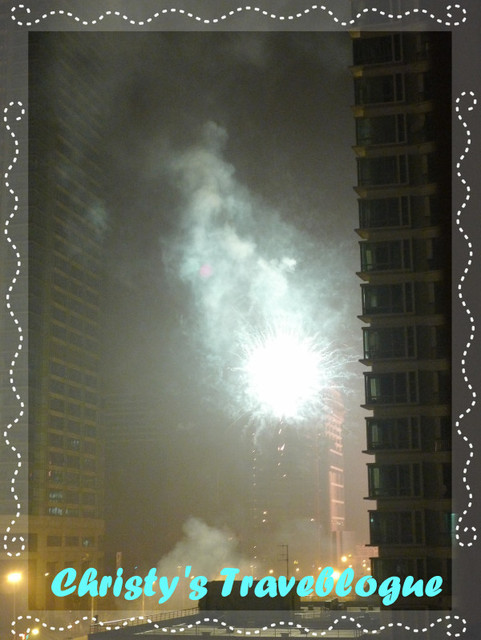
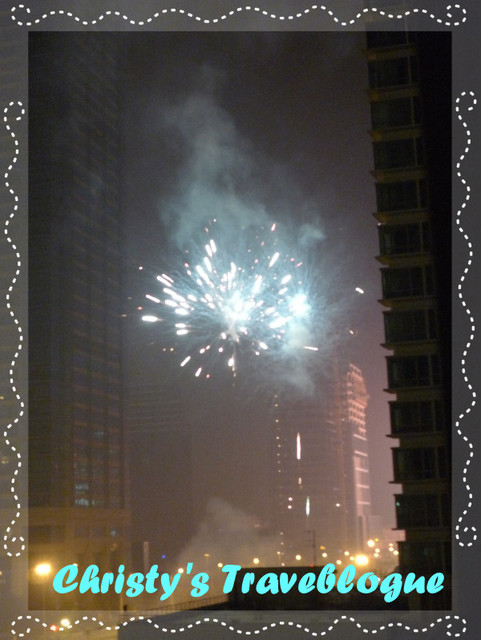
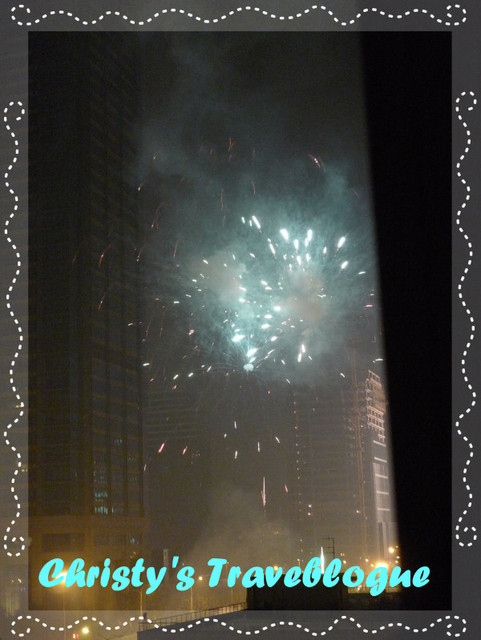
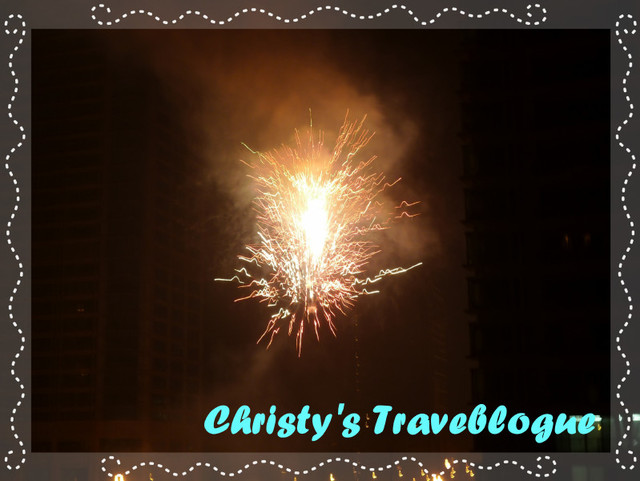
New Year fireworks from Suzhou

Image Hosted by PicturePush - Photo Sharing

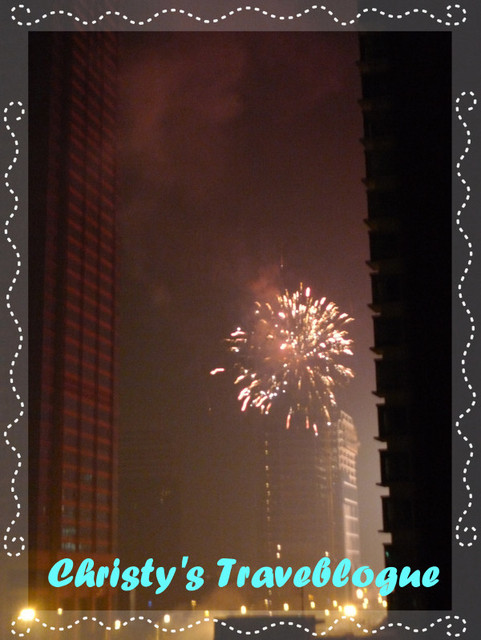
The sound and sight, not to mention the sparks flashing in the skies as it cast the bright light into the room greeted me for the very first time for the new year 2012.
Image Hosted by PicturePush - Photo Sharing

It also reminded that it was my first time welcoming and celebrating the change of a new calendar and ushering the brand new year of 2012 away from my own homeland.

The New Year display of fireworks is just one but many to grace my trip to Suzhou; although it is not something totally extraordinary while the whole world is also enjoying almost the same display but in different parts of the world.
Image Hosted by PicturePush - Photo Sharing

Although I still enjoy celebrating New Year with my own family back in my motherland, I did not mind enjoying the fresh season in somewhere different once in a while.
Image Hosted by PicturePush - Photo Sharing

What say you?

Shi Lu (石路)

Image Hosted by PicturePush - Photo Sharing

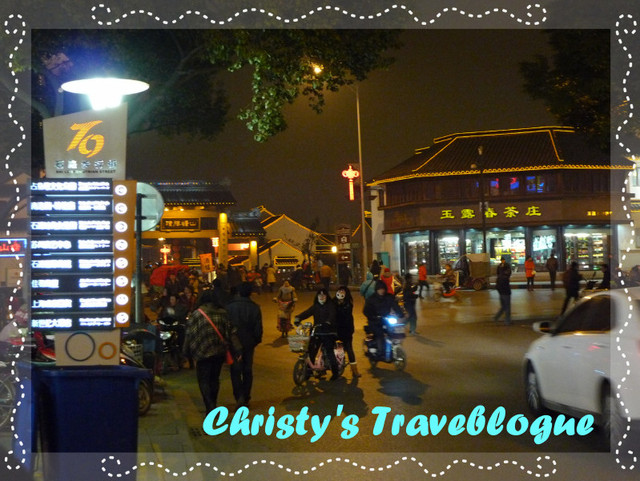
After enjoying the time travel to the past of Suzhou in Shantang Streets(山塘街), step out in style into the modern shopping street of Shi Lu right across the street.
Image Hosted by PicturePush - Photo Sharing

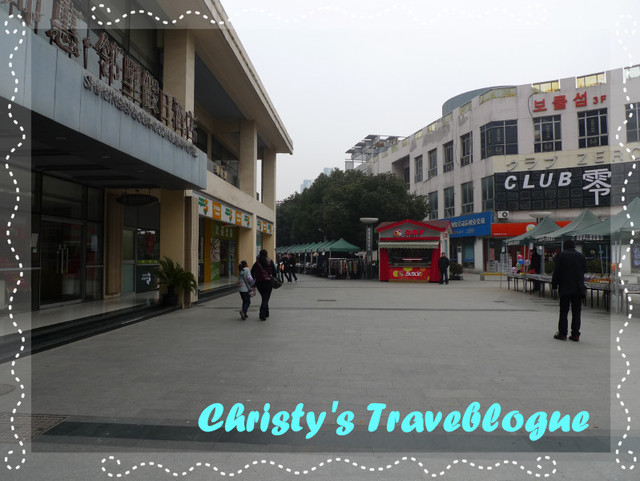
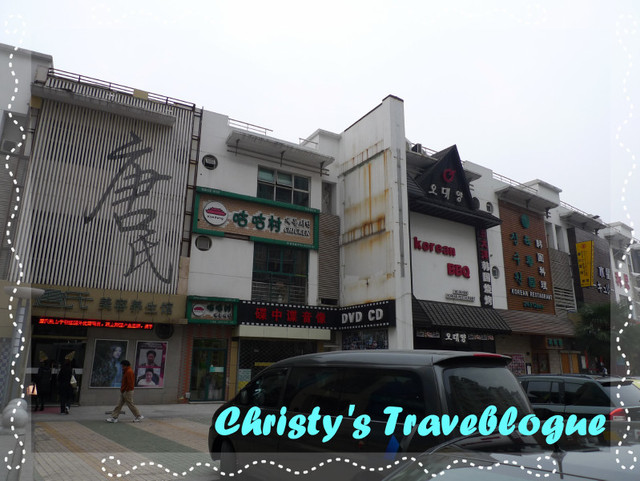
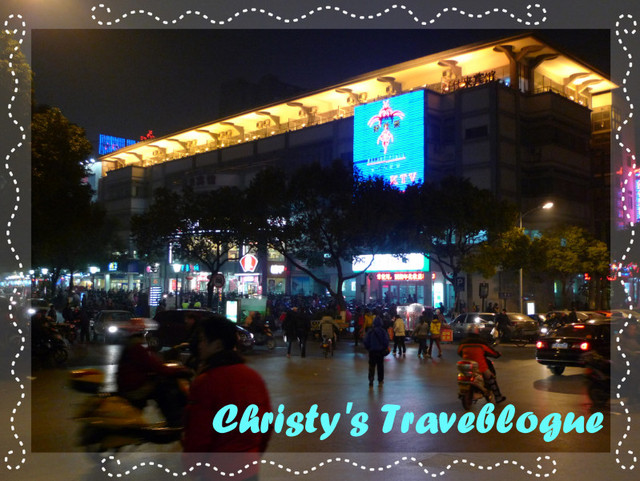
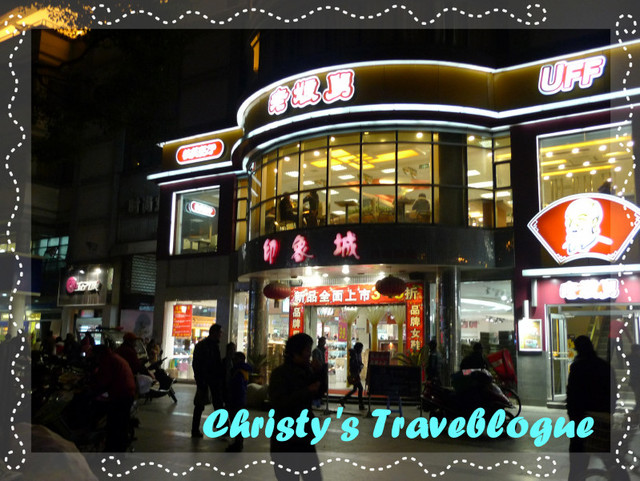
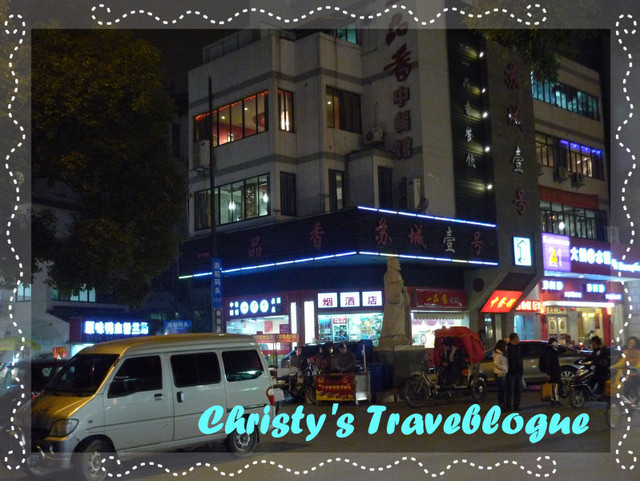
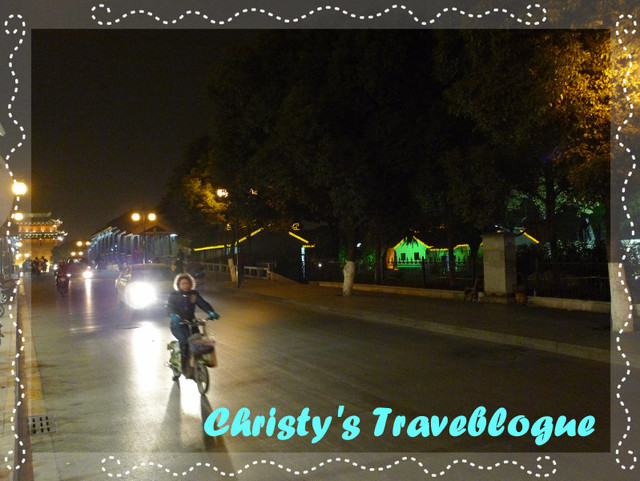
Shi Lu (石路) literally translates to 'Stone Road' from its Chinese name, and is a booming commercial area filled with honking motorcycles, taxis, shopping malls, buildings, restaurants and department stores; besides the fast-walking pedestrians and stall vendors making their living on the street.

This place deserves a mention here, and it may seem to pale in comparison to the glory of the ancient streets of Shantang right across it, but it did not lack in its attractions and crowds as busy shoppers navigate their way through the busy road traffic and into the shoppers' paradise within the buildings.
Image Hosted by PicturePush - Photo Sharing

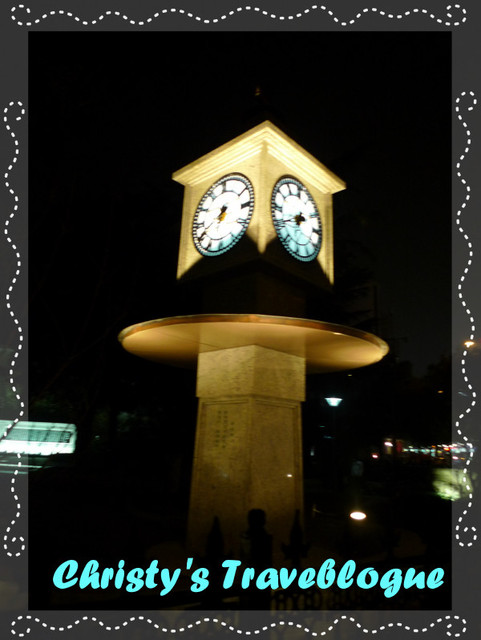
There is a clock tower and a park across the busy department stores; with manicured lawns and gardens with manmade canals running through it.
Image Hosted by PicturePush - Photo Sharing

I find this area really unique; with modernization, history and also the typical picturesque scenes from paintings all in one same place.

It's a shame that it was getting late or else I would spend some time here too; but I was too busy catching a taxi back through the horrendous traffic taking place on New Year's Eve.
Image Hosted by PicturePush - Photo Sharing

Historical cakes from Lao Shan Tang (老山塘)

As my posts on this year end China trip is coming to a close, I am featuring an interesting and friendly neighbourhood stall which is a gem I discovered while traipsing down the seven mile long streets of Shan Tang; and taking in the charms from day to night.

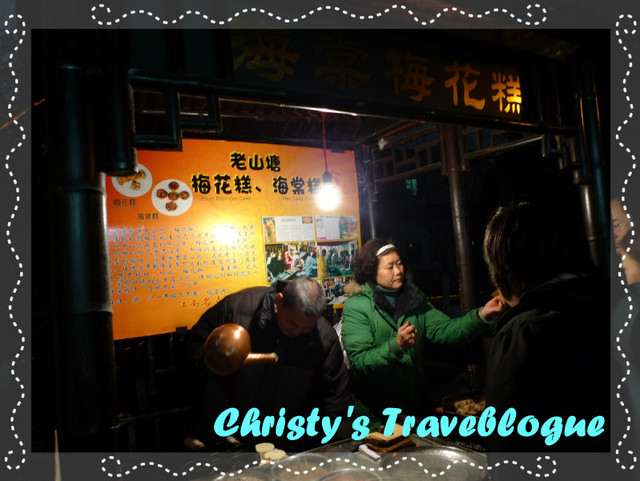
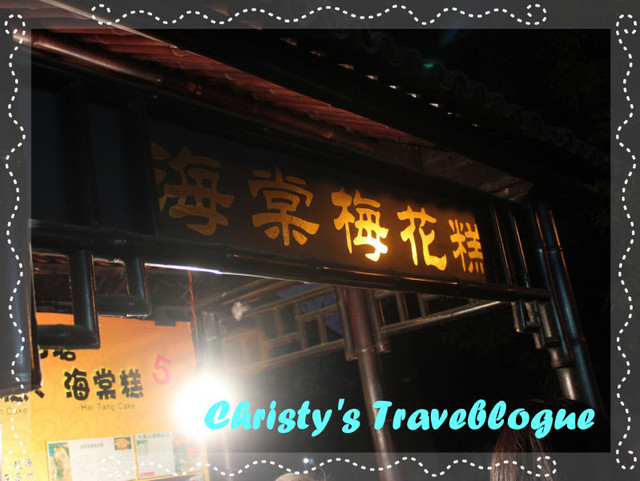
Lao Shan Tang (老山塘) or simply translated to mean Old Shan Tang, is a stall located towards the final quarter of the Shantang Street and tucked away a little hidden from sights near the scenic bridge where most of picturesque shots like these were taken.
Image Hosted by PicturePush - Photo Sharing

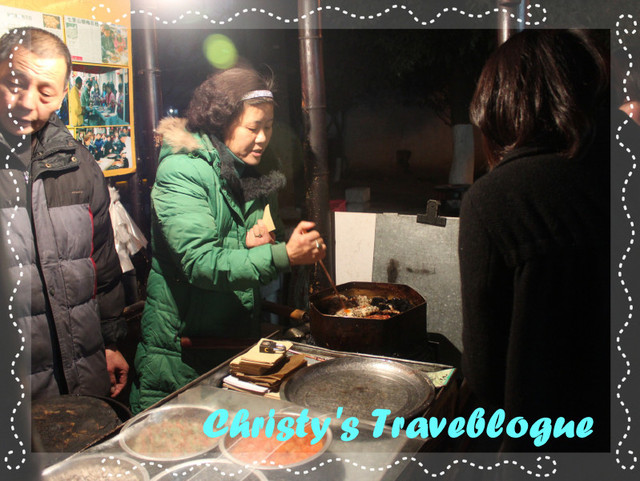
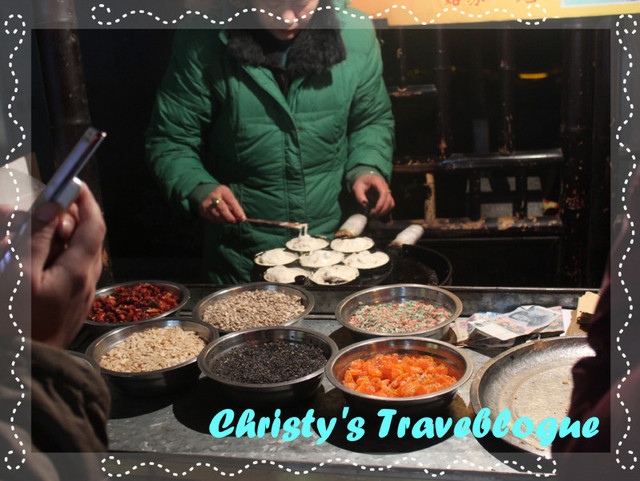
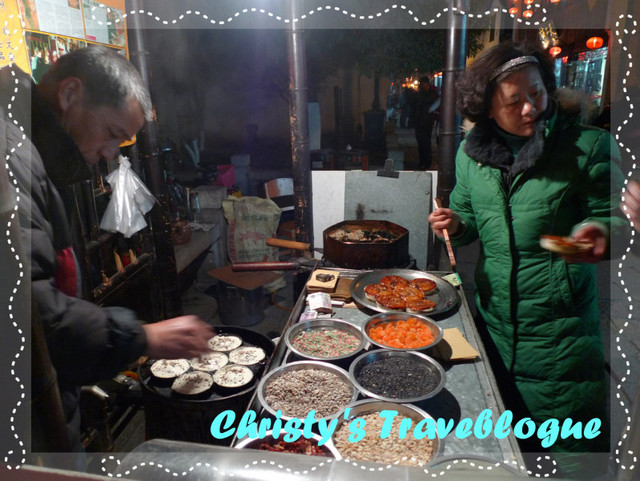
The stall is located by the side of the street and not many stopped by, although I caught a few who halted their steps to look at the interesting process of the cake making.
Image Hosted by PicturePush - Photo Sharing

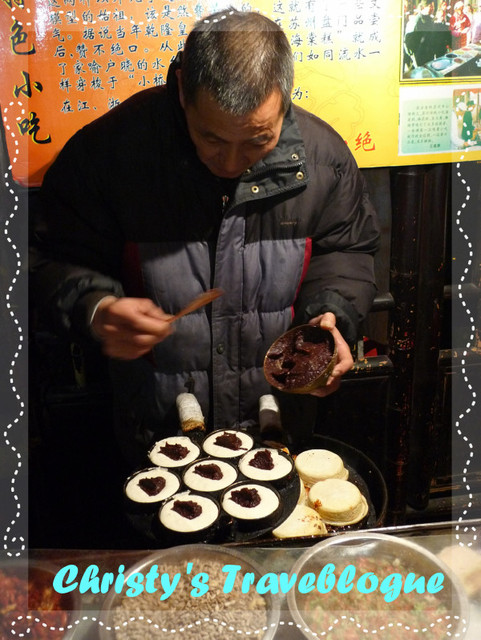
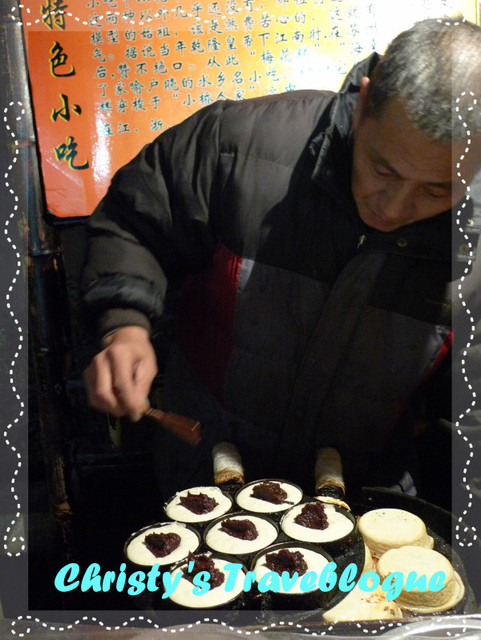
Lao Shan Tang is run by a middle-aged local couple; and it seems that the husband was the one making the cakes.
Image Hosted by PicturePush - Photo Sharing

While other restaurants or snack food stalls impress with wide varieties on their menu, Lao Shan Tang only has two types of cakes to offer; the Plum Blossom Cake(梅花糕) and Hai Tang Cake (海棠糕)
Image Hosted by PicturePush - Photo Sharing

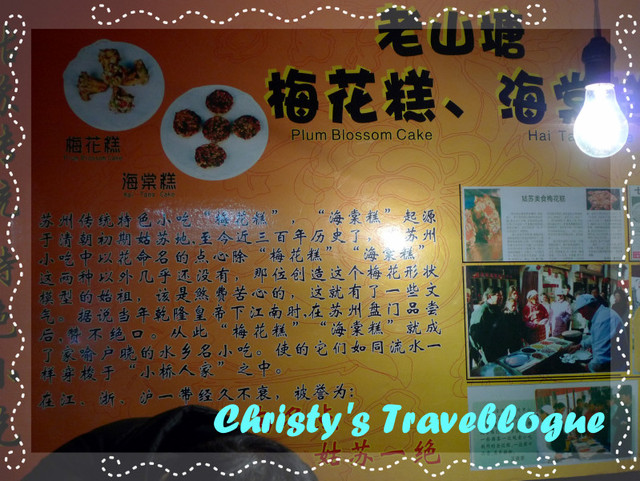
There may not be lots to offer from their stove, but the charm of this old stall is in its long time existence and the history of the cakes which dated back to as far as more than 300 years, earned its spot in the newspapers and media as proudly featured here on the menu.
Image Hosted by PicturePush - Photo Sharing

The cakes probably had their history described here; and it is interesting to those of you who are unable to read Chinese, they are actually flower-themed cakes.
The Plum blossom and Hai Tang are both flowers popular in China; and the history of these cakes did not lie only in its origin (from flowers) but also in the place from where it originated.

Mei Hua Gao (梅花糕), or Plum Blossom Cake started its story since the Qing Dynasty, where it gained its stronghold fame then after Emperor Qianlong, one of the most renowned rulers in the dynasty, tasted and sung praises for this humble cake.
The Emperor was on one of his incognito trips through the southern part of the Yangtze River when he sampled an aromatic local snack which had its shape like a plum blossom flower. The pleasantly sweet yet light crisp and non-greasy taste of the cake won the Emperor's heart and he liked it so much that he gave the name of the Plum Flower Cake to the snack and given it much glory it deserved and the name stood until this day.
It was said that the Emperor even thought the cake exceeded the qualities of snacks served from the Imperial kitchen and it quickly became a favorite snack following reports of the royal encounter with it.

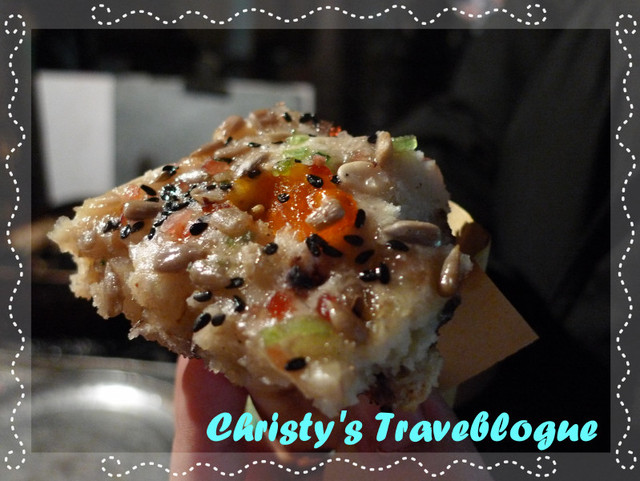
The Plum Blossom Cake takes its flour form above the mould shape of the flower; although it may not be apparent from the top as shown in the picture here.
Image Hosted by PicturePush - Photo Sharing

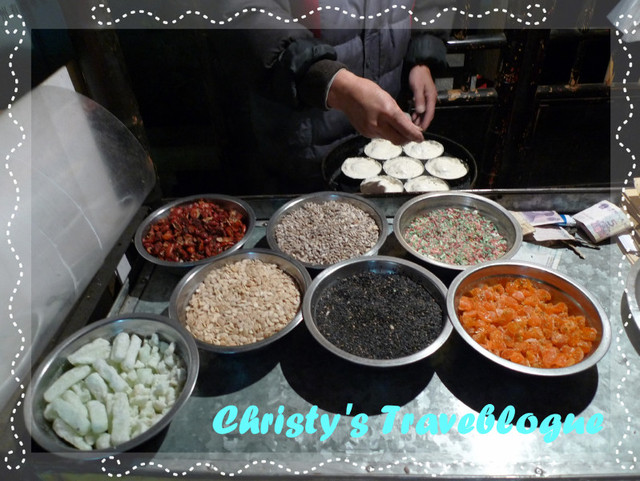
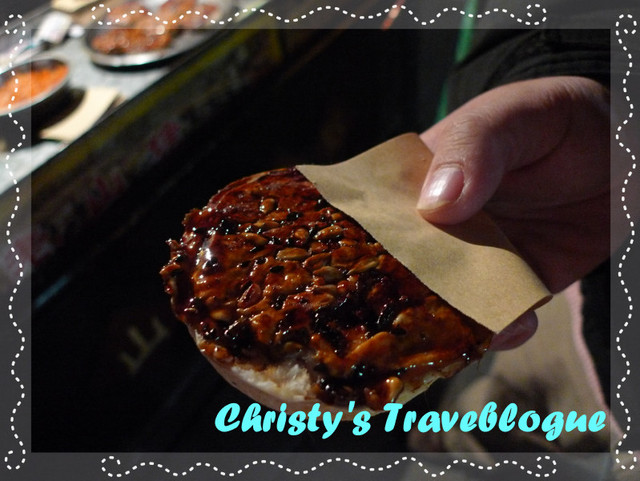
The cake was made of flour baked on the stove and then sprinkled with sesame, candied tangerines and winter melons, and a few sweet condiments, giving it that light sweet flavor yet pleasantly crispy and not greasy at all, as how the Emperor described it centuries ago.
Image Hosted by PicturePush - Photo Sharing

The Hai Tang cake(海棠糕), was also made of the same type of mix although with a different type of flower mould and there is not much sources to trace on the origin of this cake.
Image Hosted by PicturePush - Photo Sharing

However, this snack is still mentioned to be a traditional snack in Qibao Town and also a delicacy on the streets of Shanghai with its simple recipe of light crisp of the cake covered with thick brown sugar and red bean.
Image Hosted by PicturePush - Photo Sharing

Costing only about RMB5 (~MYR2.50), this is a reasonably priced snack and the type that I like; especially when it is hot from the stove and snuggles warmly in the hands against the chill of the weather.

The best part is the subtlety of the couple who runs the stall; though not one with many words, they certainly did not wave their fame in their customer's faces as they humbly stayed under their aging shack of a stall by the streets and under a tree while quietly busying their hands making the cakes individually.
Image Hosted by PicturePush - Photo Sharing

I would definitely recommend a taste of this cake, and also to enjoy a taste of a historical snack of China; just like how one would take in the charm of the lovely scenic streets of Shantang.
The two are definitely the treasures of Jiangnan!:)

Ancient China in the Seven-mile Shantang (山塘街)

Image Hosted by PicturePush - Photo Sharing

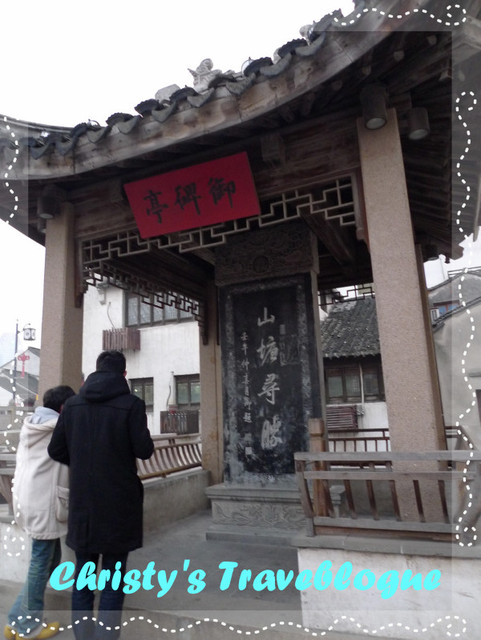
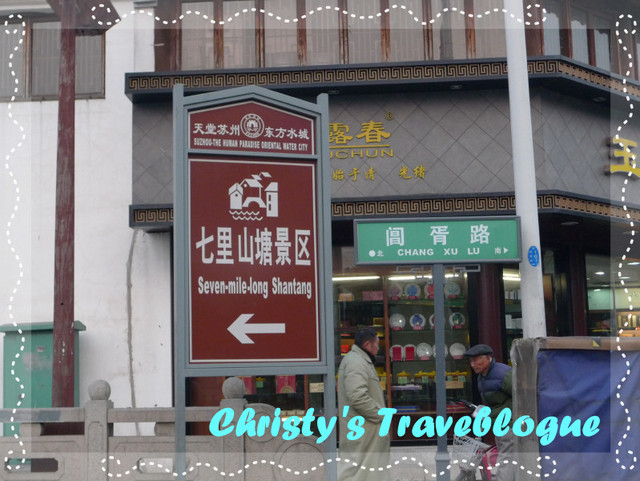
Nicknamed 'The Human Paradise Oriental Water City in Suzhou' by the local tourism board, Shantang Street is reminiscent of the history and ancient civilization of the olden days China.
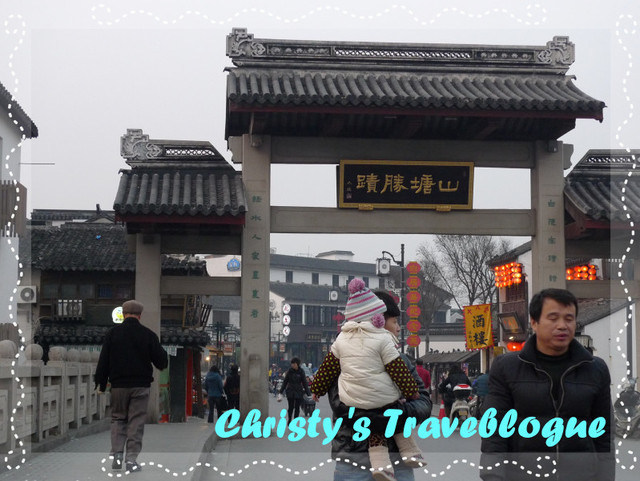
Image Hosted by PicturePush - Photo Sharing

The Shan Tang Ancient Street, or Shan Tang Jie (山塘街) is one of the most famous streets, or water towns in Suzhou. Though the status of water town may not live up to that of its other counterparts of pride; such as Tongli, Zhouzhuang, Wuzhen, and Xitang, the cobblestone and canal-parting streets adorned with the bridges still form a pretty picture of the rustic charms of the old identity of Suzhou, as a water town in the past.
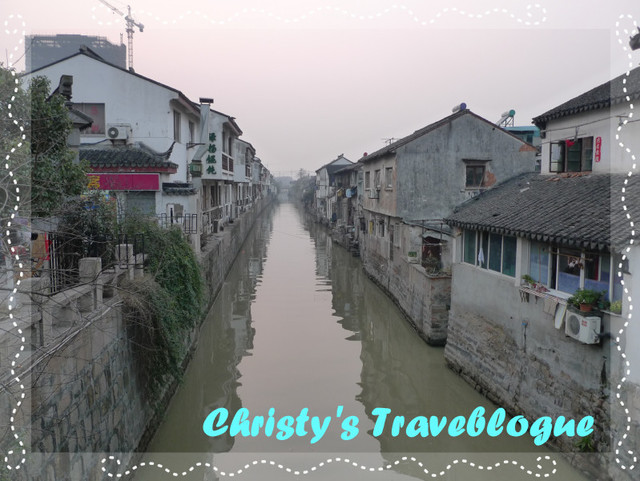
Image Hosted by PicturePush - Photo Sharing

If that fact is not enough to get one all pumped up at the mention of the streets, then a few historical facts may attract more attention to this top notched tourist attraction in China; if not Suzhou alone.

Built in the reigning period of Emperor Baoli of the classical Tang Dynasty, Shantang; originally the name of the river was the brainchild of Bai Juyi, a famous Chinese poet during that time made an official to serve the government. As Bai joins his office, he was concerned about the muddy river and the inconveniences caused to the water transportation.
It was said that Bai was on the sedan chair when he himself was caught in that area; where the river was so full of mud that it was stuck, and the water transportation were all facing a turmoil in the flow. He decided then that something needs to be done, and ordered for roads to be built near the Tiger Hill where the terrain stood, and that the river needed to be cleared to restore the transportation flow.
The few major points the river flew through; from the east to the west, are also spots of tourist interest; Dushenqiao Bridge (渡僧桥) was the origin point of the river where it is located near the Changmen City gate (阊门) and ends at the western part, Wangshanqiao Bridge (望山桥).

The Beijing-Hangzhou Grand Canal which the river is linked to is a strategic area; and the Shantang river flowing through it and the streets did lead to contributing to its busy boom in business until this very day. It is not hard to guess then that the streets owed its name to the river; as it became known as the Shantang Streets today.
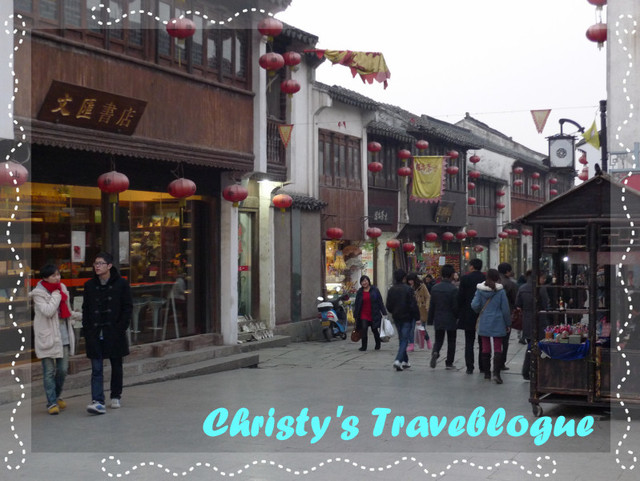
Image Hosted by PicturePush - Photo Sharing
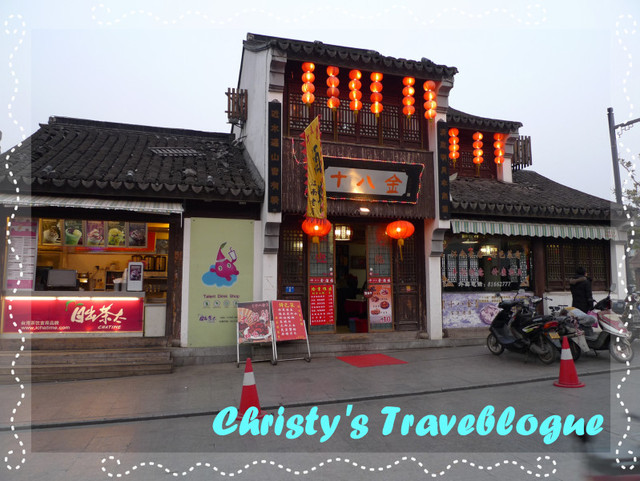
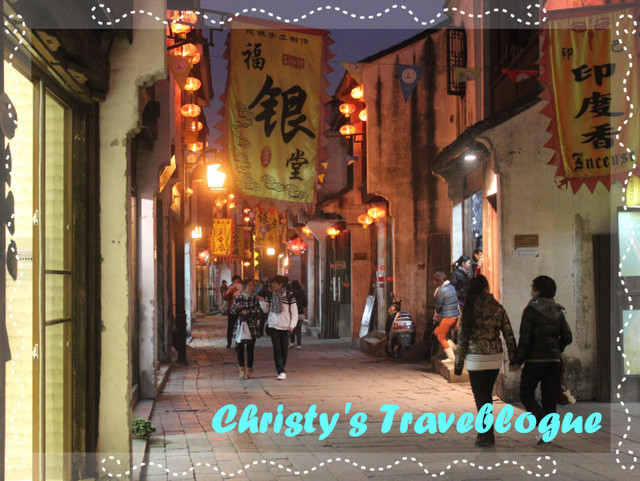
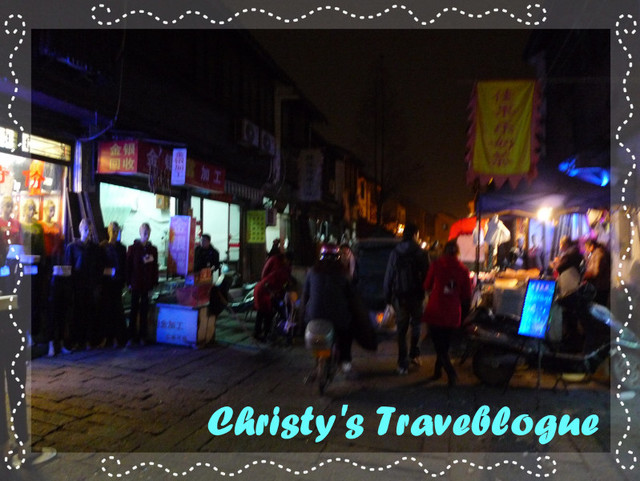
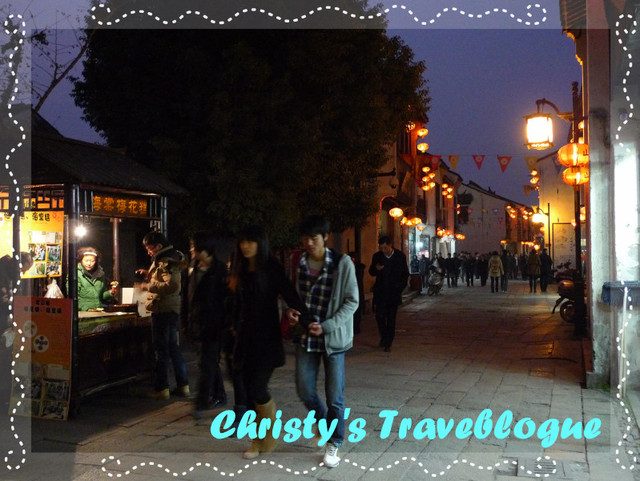
Apart from the canals, bridges, water flowing, tasseled red Chinese lanterns and the ancient wooden shophouses lining the streets, Shantang is also home to modern commercialization as prospective and aspiring small-scale vendors set up their businesses in food, souvenirs and textile here.
Besides the tacky souvenirs sold here, there are also many which brings the ancient and Oriental characteristics to life.
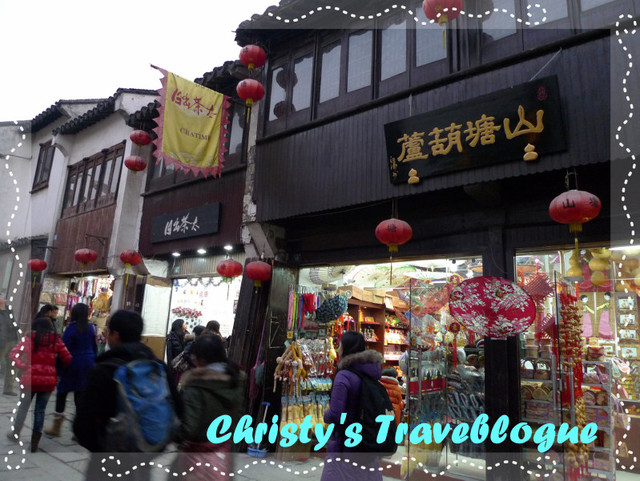
Image Hosted by PicturePush - Photo Sharing

There are beautiful characteristic paintings by skilled painters, and those just speak more than a thousand words to describe the beauty of this ancient street.
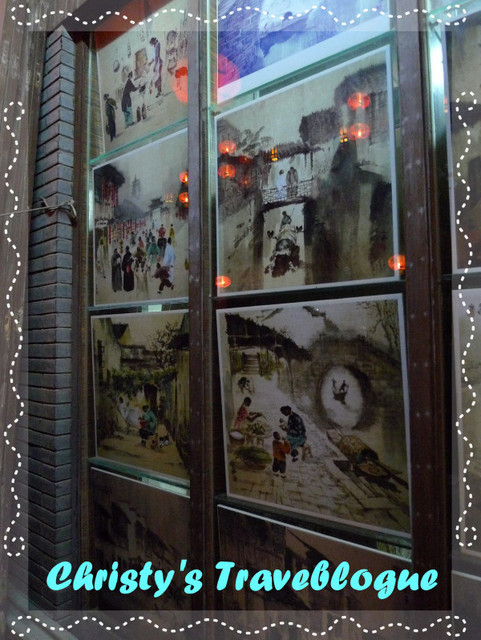
Image Hosted by PicturePush - Photo Sharing

Image Hosted by PicturePush - Photo Sharing
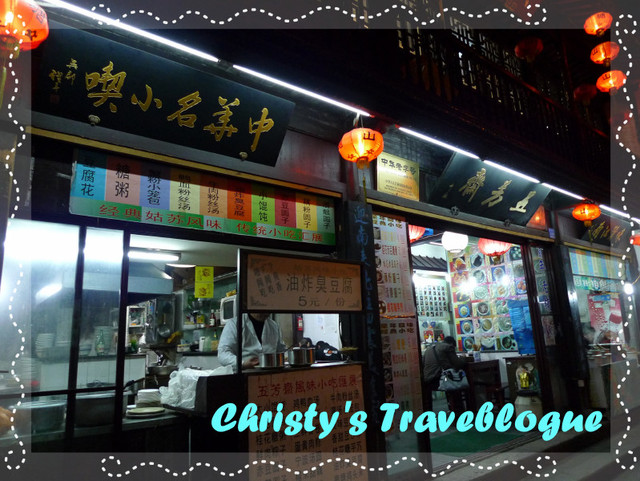
Restaurants serving authentic Chinese cuisine dating back to the olden days of the dynasties are also part of the commodity lineage on Shantang, and do keep a watch on the unique food stalls; there is one serving a 300-years of history cake which was quite reasonably priced and tastes good too!
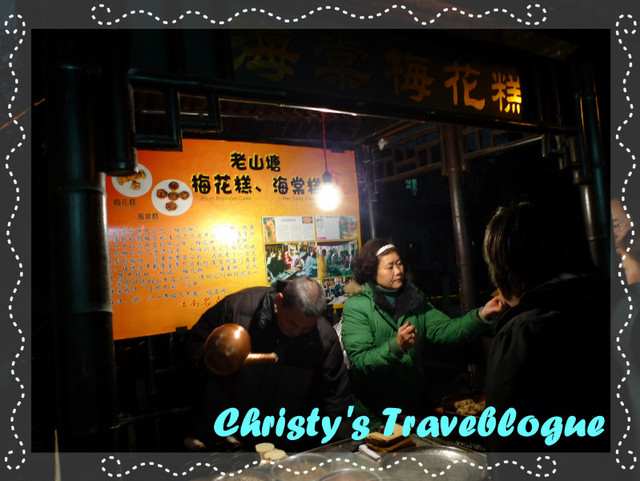
Image Hosted by PicturePush - Photo Sharing

Image Hosted by PicturePush - Photo Sharing
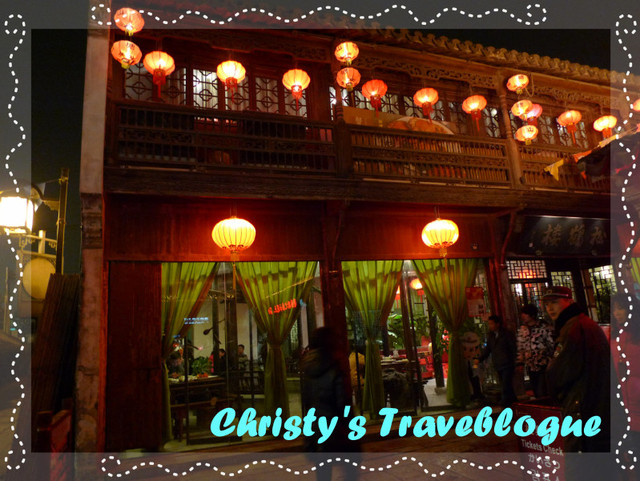
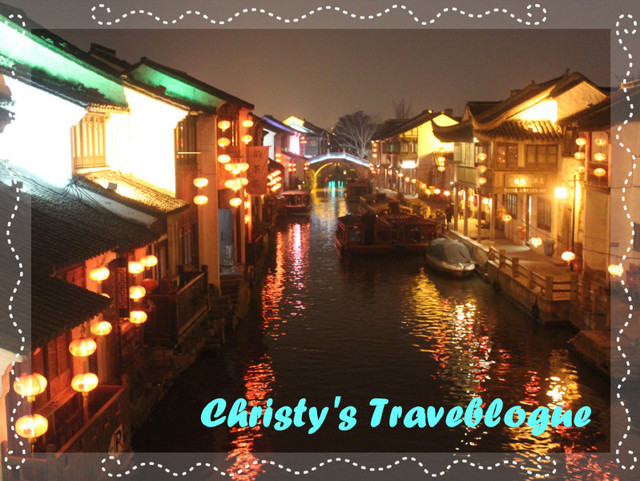
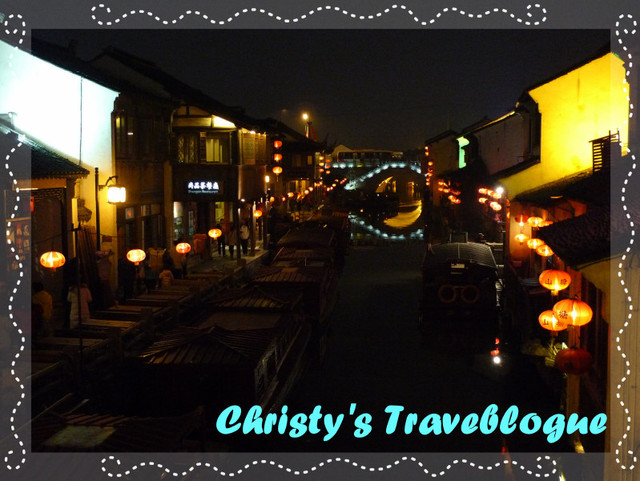
The picturesque view of Shantang takes on a more magical turn as the sun slowly disappears below the horizon and one can revel in the charming sight of soft hues of light from the buildings and also the classical tasseled Chinese lanterns swaying lightly in the wind.
The shimmering lights cast their reflections onto the surface of the shiny water flowing through the river, and the whole scene just looks so pretty that it is a sight not to be missed at all.
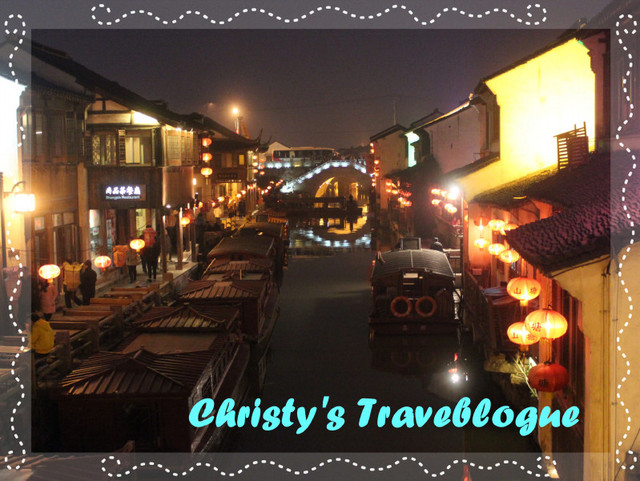
Image Hosted by PicturePush - Photo Sharing

I would highly recommend one to take in the best of both worlds and to come here in the afternoon and not leave until night falls, or miss one of the best night scenery, if I may say, in the world!:)
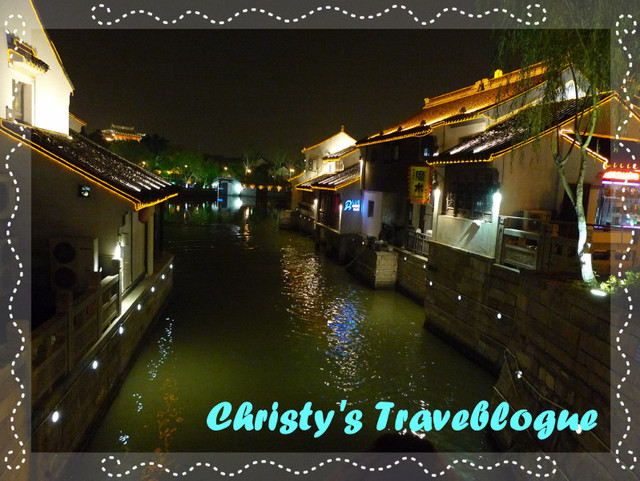
Image Hosted by PicturePush - Photo Sharing

These streets may be booming with business and commercial life these days, but it still did not rip off the images of the ancient days as one can simply picture women washing their clothes by the river with steps leading into the river from the buildings or even boats floating on the surface of the water are just the few iconic scenes leaping into the mind.

The streets are worth exploring until the end; as one takes a step away from the drizzling lights of classic modernization into the past taking place at the old Shantang street at the other end.
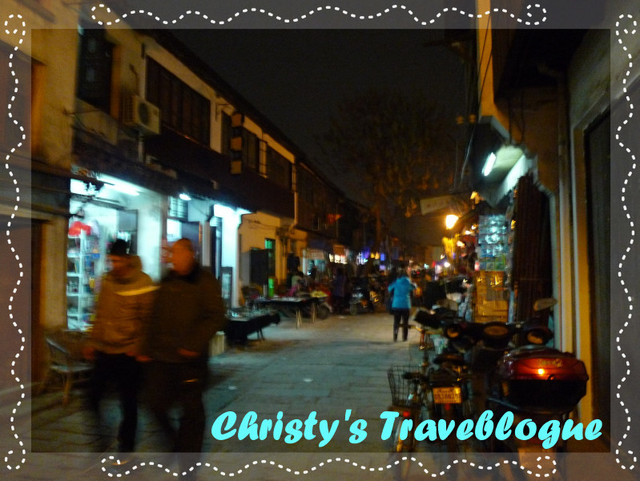
Image Hosted by PicturePush - Photo Sharing
It is like a time capsule between these points; and the difference is evident in the buildings, the walkway, and also the people ruling the streets.
It may not be as touristy as the earlier part of the streets, but there is just something enchanting about the rustic scene unfolding before one's eyes.

Shantang Jie/Streets is a place not to be missed if one is ever in Suzhou, and after enjoying that exploration of the history, there is Shi Lu which offers a glimpse of modernization with bustling malls, fast food outlets and city taxis all over the place.

The time capsule offered by Shantang Streets is definitely more attractive to me, and it leaves a lingering scene and feeling on one's mind.
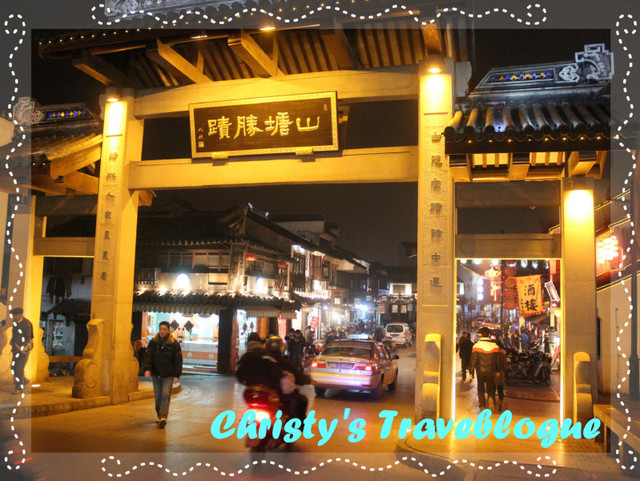
Image Hosted by PicturePush - Photo Sharing

It is no wonder that this place is admired by many; from poets to writers in the past and the following are only a few of those that mentioned the beauty of these streets, if you are keen and interested:
1. Street appearance in a Qing Dynasty's famous painting by Xu Yang (徐扬); "Growing Prosperously During Peaceful Times"
2. Mention of the street in one of the Chinese famous classics; "Dream of the Red Chamber" by Cao Xueqin (曹雪芹)

Shantang Street is a magical place, and a time travel machine to take us back to the past...
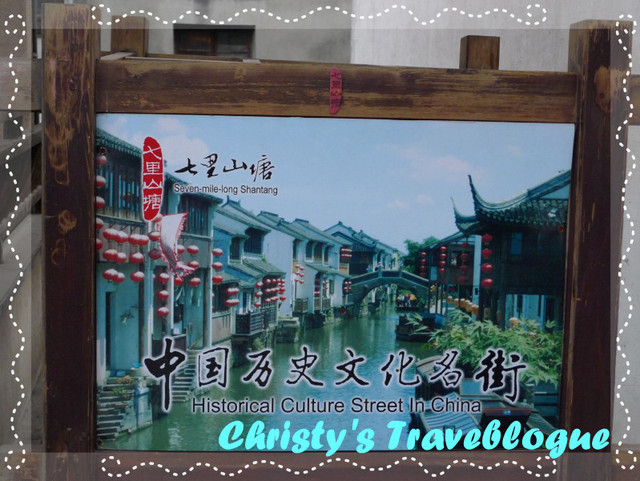
Image Hosted by PicturePush - Photo Sharing
Protected by Copyscape Online Plagiarism ToolProtected by Copyscape Online Plagiarism Tool