Showing posts with label Tea Garden. Show all posts

Tuesday, March 13, 2012

Longjing Tea Plantation

Image Hosted by PicturePush - Photo Sharing
Hangzhou, famous for its many scenic spots and natural beauty, is also known as the Tea Capital of China; being home to one of the most famous, if not exquisite Longjing Tea.

Also known as the Dragon Well in its direct translation, the tea is one of the finest to represent the many types of raw or green tea in its manner. The tea is favored by many, and have earned its reputation as one of the higher standard tea due to its roots being enjoyed and praised by the royal family, and notably the famous Emperor Kangxi, who ruled during the Qing Dynasty.
The Emperor, having enjoyed the delicate and exotic purity taste of the tea, had even granted the Longjing tea the status of the Imperial Tea, or Gong Cha, thus elevating the status of the tea to that of the higher society level.

The tea continued to be appreciated by Emperor Qianlong, the grandson of Emperor Kangxi. Legend has it that the Emperor Qianlong was impressed by the quality of the tea which he had a taste of during one of his visits to West Lake; Hu Gong Temple where he granted the tea bushes a special Imperial status. There were many stories associating the Emperor Qianlong with the famous Longjing tea, but in short, the tea gained its royal reputation and status not just from the encounters with the monarchs; as the tea itself is of premium taste and quality.

The name Dragon Well is not only associated with the tea itself; which derives its name from a legend and an area with the same name. The area outside the city of Hangzhou, and to the west of the famous West Lake, is known as Dragon Well; located on the Fenghuang Hill.
Dragon Well is actually a spring; and is one of the three famous springs in Hangzhou as well.

The name of the Dragon well stems from an ancient legend about an emperor who was in disguise while on tour, dreamt of a gigantic dragon resting on the area where the emperor is staying and also across the hills which the dragon calls its home. The dragon appeared in the emperor's dream, revealing itself, which in the ancient days and according to the superstitious beliefs, is a good omen for luck and glory of the dreamer as the dragon is an auspicious figure and its presence symbolize power, might and wealth.
When the emperor wakes up from his dream, he named the whole area; including the hills and valleys; Dragon Well, or known as Longjing in Chinese.

The Dragon Well was discovered during the reigning period of the Three Kingdoms (221-280 A.D), and is associated with various legends; including one that dragons are still residing in the place, and how a immortality potion was once attempted to be concocted using the water. Due to the belief that there are resident dragons, it was said that local villagers used to visit the spring/well to pray to the dragons and ask for rainfall whenever the weather is dry or there is a drought.
The practice was due to the belief that dragons, being one of power and might, were also said to be ruling over the weather and rainfall in the ancient times.

The nearby village is the Longjing village; where the Emperor Qianlong was said to have visited on his visits in the past and conferred Imperial status to the 18 tea bushes standing there at that time. The village is also home to the many Longjing tea plantations due to its mountainous and valley areas.

A visit to a tea plantation is definitely a must to complete a tour to Hangzhou. After all, it is the Tea Capital of China and therefore there is no way one can miss even a short trip to a tea plantation, tea house or even a tea garden.
Image Hosted by PicturePush - Photo Sharing

Image Hosted by PicturePush - Photo Sharing
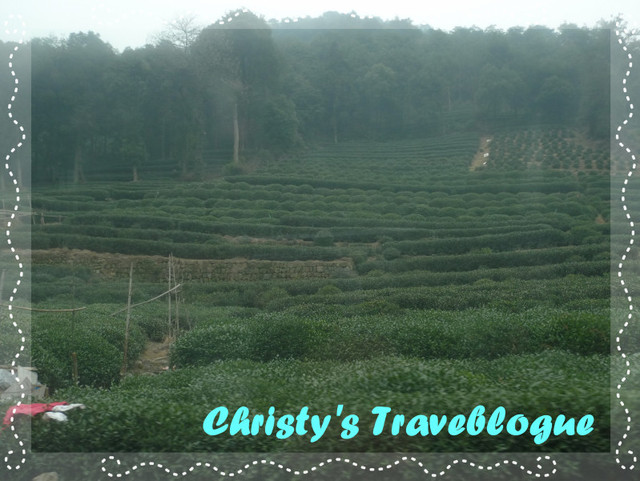
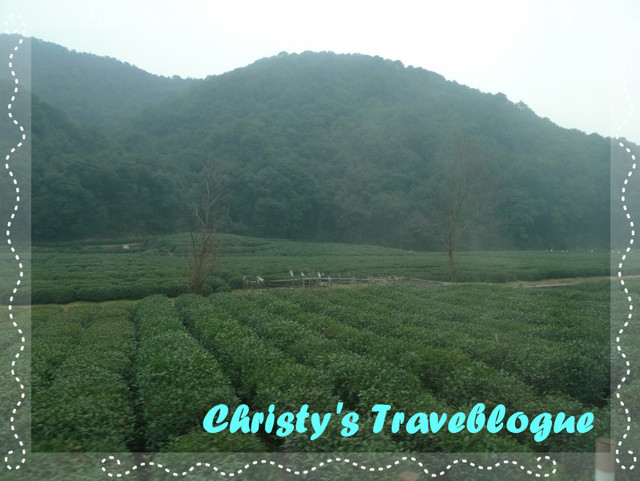
Our tour guide led us to the hilly area spread with lush greenery which made up the vast area of tea plantation.
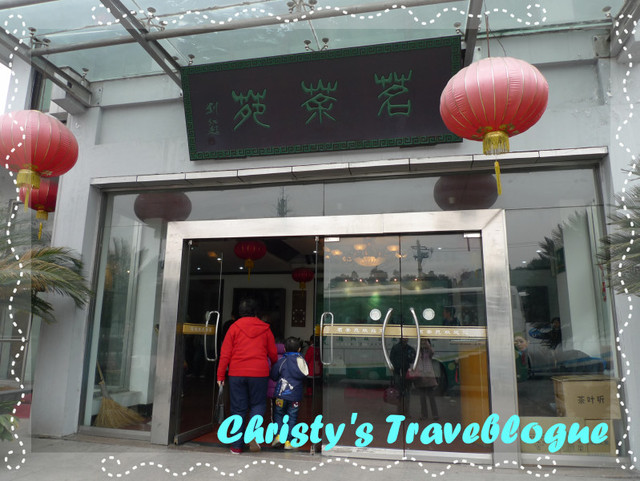
Image Hosted by PicturePush - Photo Sharing
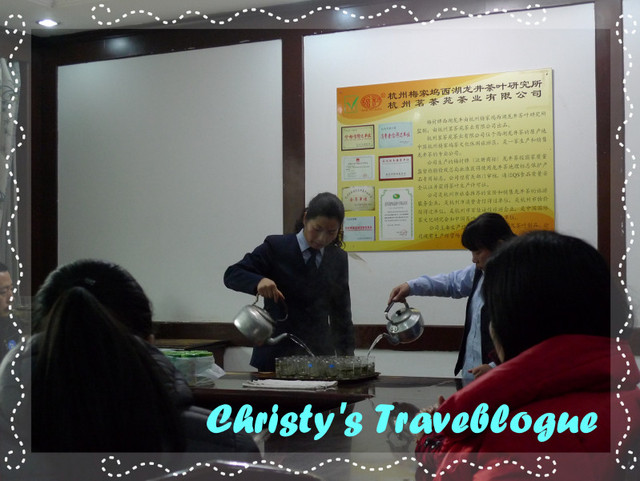
A stop at the local tea garden/house near the plantation provided an insight into the origins and types of Longjing tea, as we were enlightened on the benefits of this exquisite tea.

Longjing tea was also brewed and served to us on the spot, for us to enjoy that taste of the splendid Imperial tea.
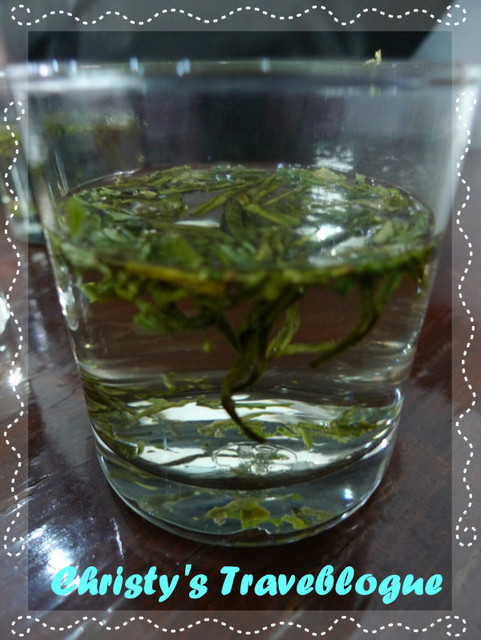
Image Hosted by PicturePush - Photo Sharing

The tea is also categorized into seven different grades used to define its quality; from Superior, Special and then into numerals of 1 to 5.
We were taught to tell the different types of quality through the live demonstration by the skilled workers.
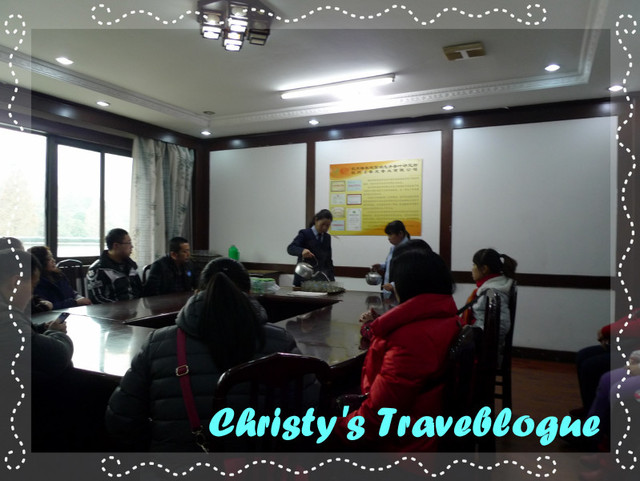
Image Hosted by PicturePush - Photo Sharing

The color and shape of the tea leaves are the earliest indicators; where the light green color, flat and tight shapes of the tea leaves tell of a higher quality.
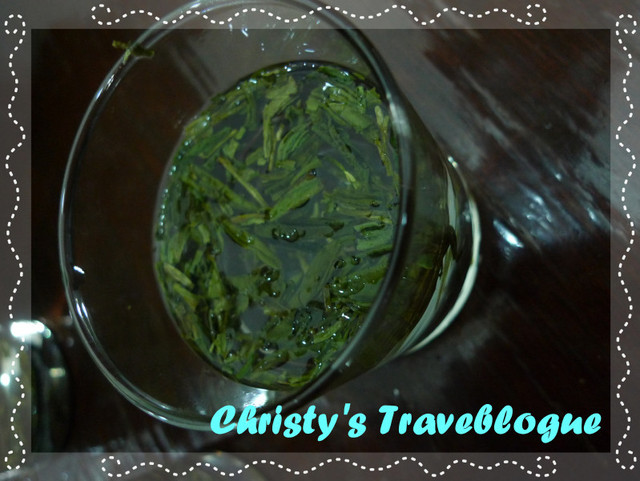
Image Hosted by PicturePush - Photo Sharing
Infusion is recommended at approximately 75 °C; whereby the water should be warm but not too hot to maintain the nutrients of the tea. Following the infusion, the quality of the tea could be predicted based on the appearance of the uniformity of the tea leaves in the water and cup.
The infused tea leaves could also indicate the maturity level of the tea leaves, thus giving clues to the grade of the tea.

The time or months when the tea leaves is plucked determines the grade of the tea leaves.
For instance, the Emperor, or Superior grade of the tea refers to tea leaves which are plucked during the definite period between late March to early April where the tea leaves are also considered 'white tea'. Only the newest tea leaves on the top are picked by hand, and then baked by hand too and this is definitely the most expensive tea due to its quality.
The tea leaves harvested between April to June are then referred to green tea and though worthy, are still comparably lower in price compared to the earlier batch, and that too, depends on the particular month in which they are plucked.

The Longjing tea, although a type of green tea, is also lightly roasted like most other Chinese teas, to deter the fermentation of the tea leaves. However, the Longjing tea is considered unfermented and categorized as a type of white or green tea due to the fermentation process stopped before it turned black like other teas.
As such, the Longjing tea boasts of natural antioxidant properties, along with amino acidss, vitamins and detoxifying benefits.

A good cup of Longjing tea is best brewed with the pure and clear water from the Hupao Spring, as mentioned in my previous post

It is said that Longjing tea is often recommended when one needs to relax or just chill out, as the taste of the tea sends a certain soothing feeling to the drinker.

Beware of the fraud Longjing tea leaves as there are scrupulous merchants out there who will mix the tea leaves, repackage and sell them at premium prices.

Tuesday, May 24, 2011

Wisdom Path: The Heart of The Heart Sutra

Image Hosted by PicturePush - Photo Sharing

Continuing from my last post on Lantau Island, about the Giant Buddha and the colorful Po Lin monastery, comes another hidden attraction tucked away in the woods which many may not know about although it is gaining popularity through blogs and local tv series filmed on the location.
The Wisdom path, is the underdog, having been outshone by the major attractions which are so widely popularized by the tourism pages and the media.

You see, though it may be known to the tourists, but usually the crowds would have limited time and the focus is always on the famous Buddha statue and also the temple, and there may not be sufficient stamina to visit this place which requires a few minutes of walk away from both the tourist attractions.
Image Hosted by PicturePush - Photo Sharing

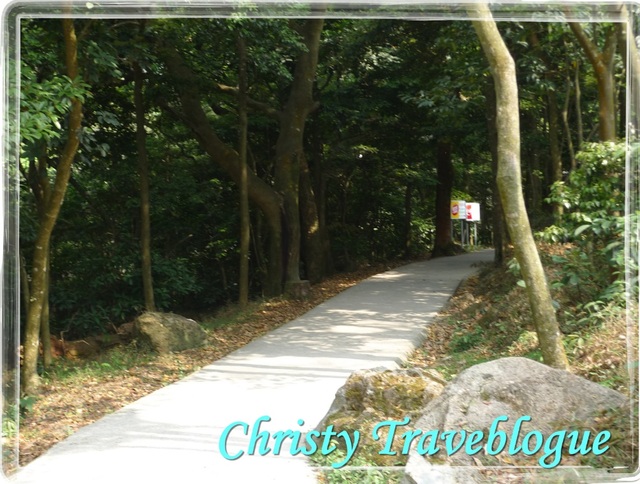
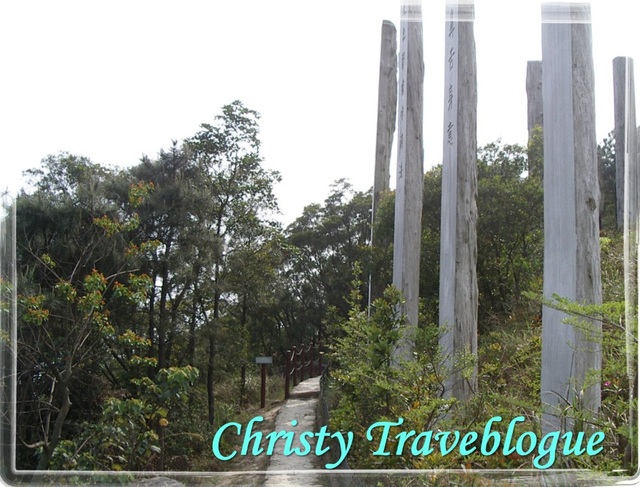
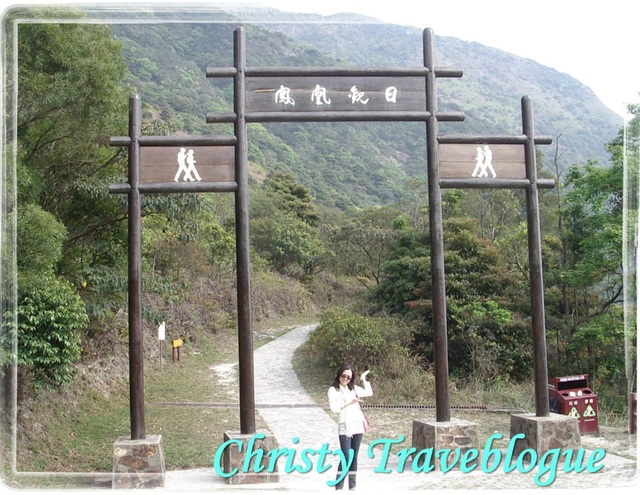
However, I do recommend, if you have the time, to just enjoy a quiet 10-15 minutes walk leading to the Wisdom Path.
Image Hosted by PicturePush - Photo Sharing

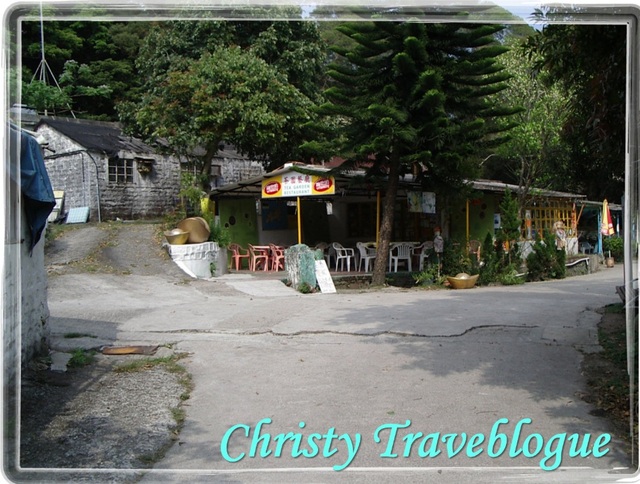
It may sound like a drag, but you will treated to the scenes of nature as you pass by a tea garden in the process. Be ready to welcome the light scent of tea leaves along the way.
Image Hosted by PicturePush - Photo Sharing

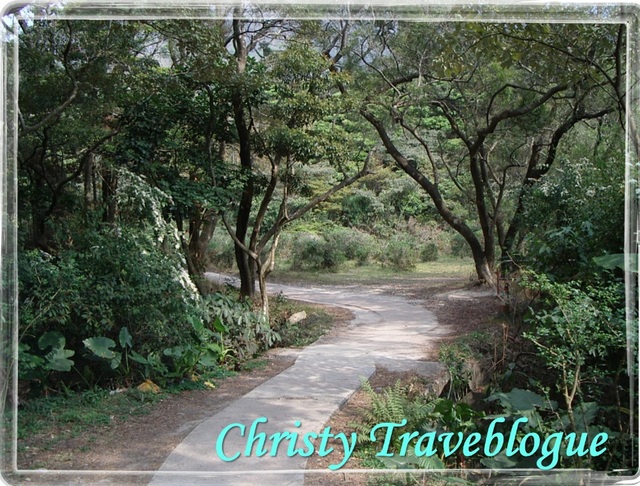
It is a rather quiet and peaceful walk along the way, and I recommend it if you are with a partner (if you are a lady), just in case although it should be pretty safe.
Image Hosted by PicturePush - Photo Sharing

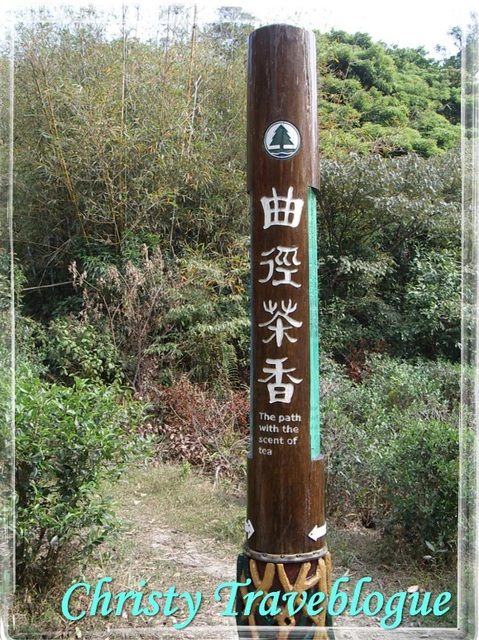
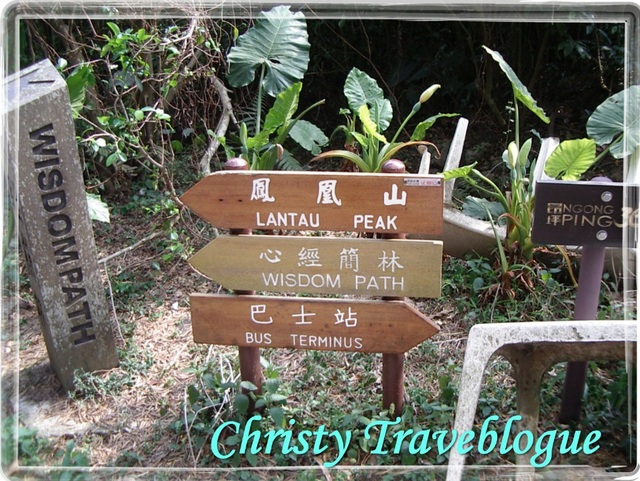
You do not have to worry about not being able to find your way or getting lost, as there are signs to watch out for along the way, and they are pretty visible to guide tourists to stay on the trail.
Image Hosted by PicturePush - Photo Sharing

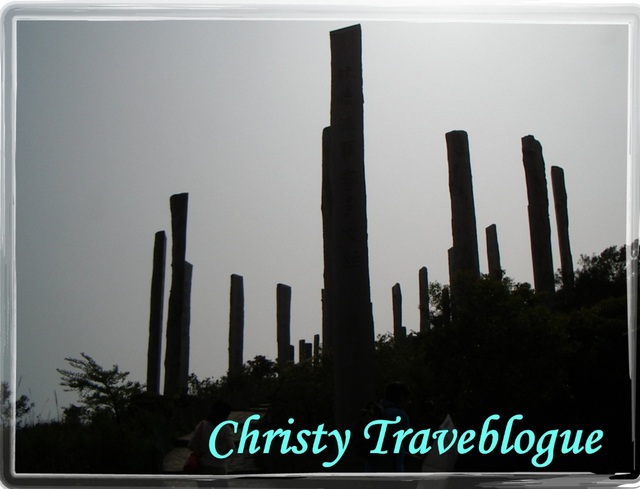
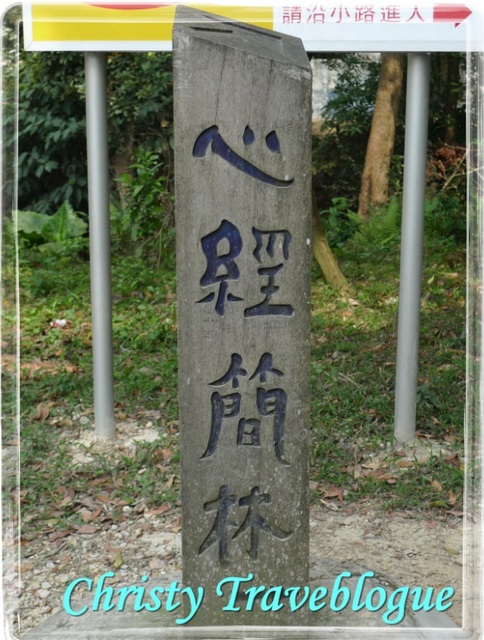
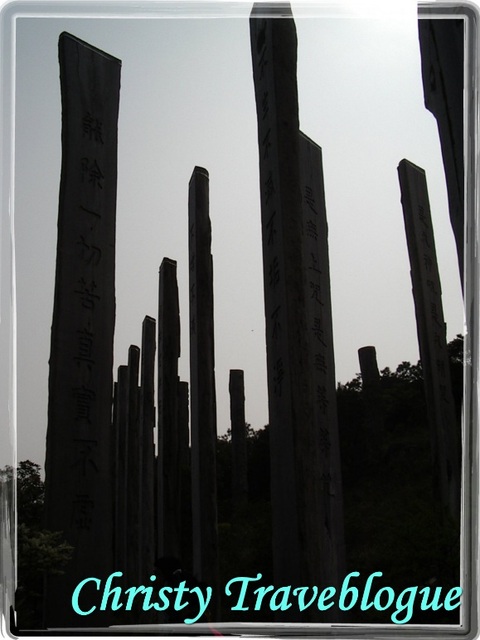
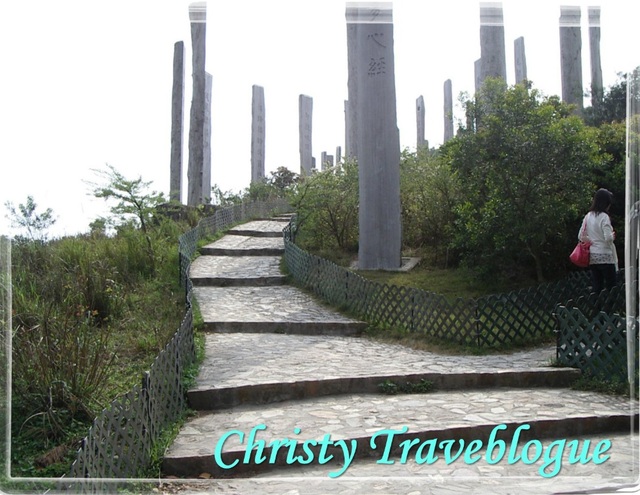
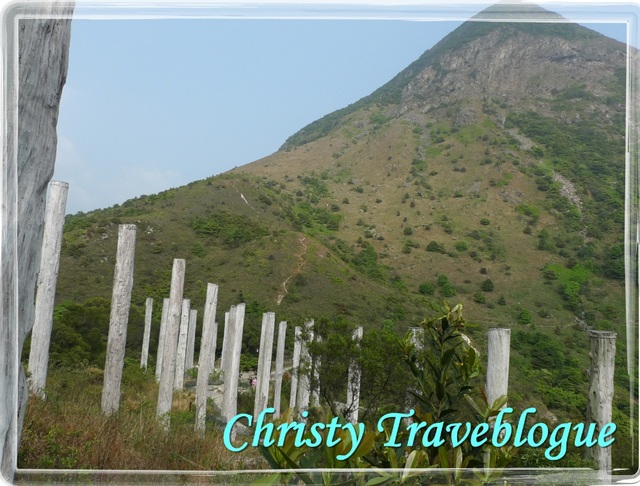
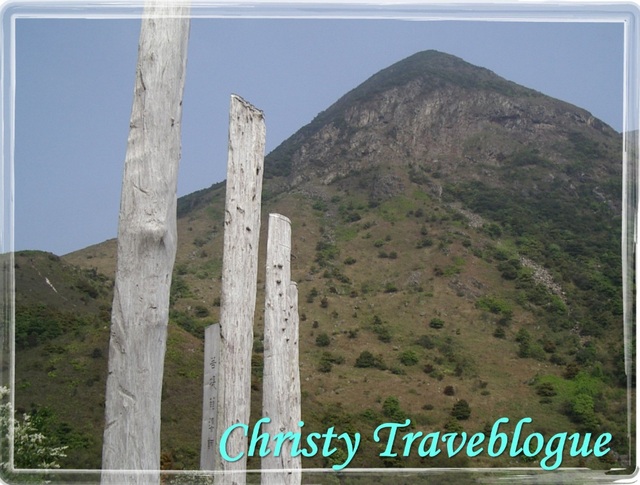
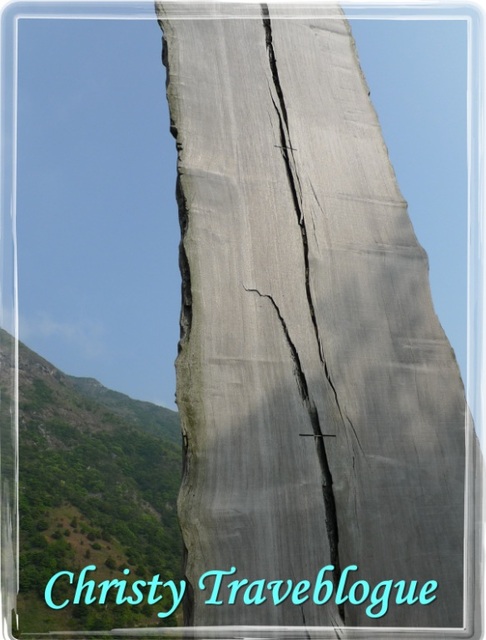
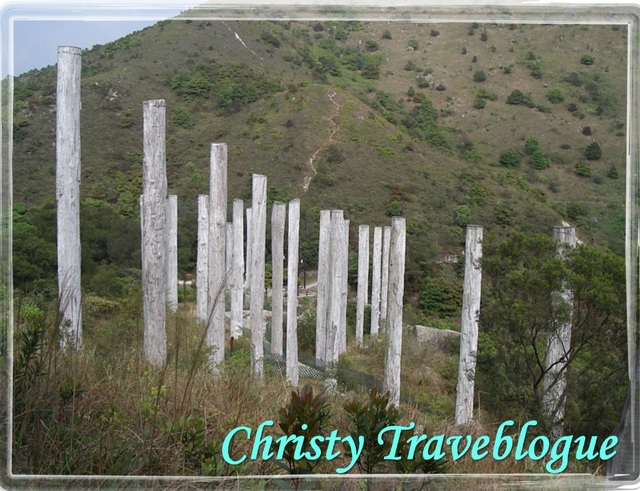
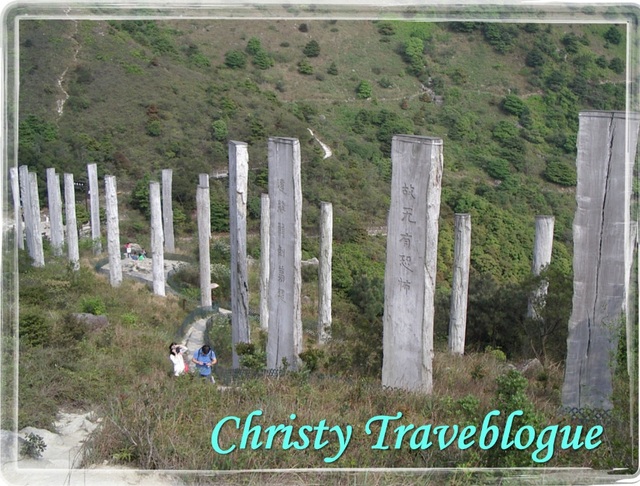
When you are greeted by tall blocks standing in front of you, like they are displayed in a collection, you have arrived at the Wisdom Path.
Image Hosted by PicturePush - Photo Sharing

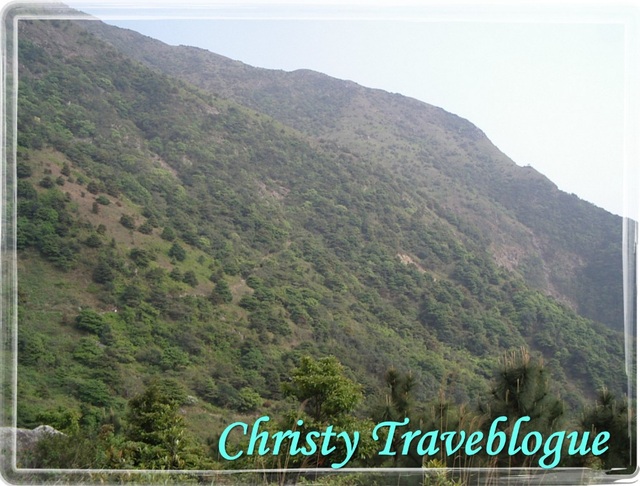
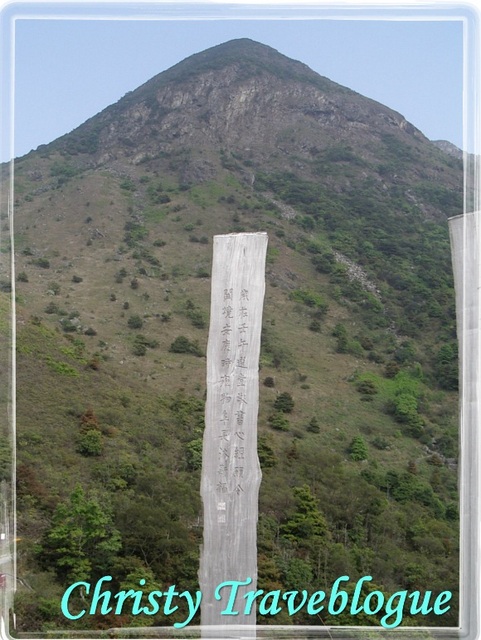
Behold the sight of the beautiful mountain, which is also the Lantau Peak as the background for the wooden inscriptions standing which form the Wisdom Path.
Image Hosted by PicturePush - Photo Sharing

Now, the next question that may pop up in one's mind would be, what is so special about a dozen or more wooden planks standing in the middle of the woods?

These wooden blocks are all wooden inscriptions from the Buddhism Heart Sutra
Image Hosted by PicturePush - Photo Sharing
A little on the Heart Sutra, also known as the Mahayana Sutra:
The full name of this Sutra is Prajna Pramita Heart Sutra; where Prajna means wisdom and Pramita is perfection in Sanskrit. This is one the shortest sutras available; as it only contains 260 words and is best known as Mahayana Sutra, or in short, Heart Sutra.
Probably due to the length of the sutra, this is also one of the most popular sutras around.

The sutra focuses on the concept of 'emptiness' and may not necessarily be that easy to understand. The emptiness emphasized in the sutra has nothing to null, void or zero; but rather that everything that exists in this world is dependent on other existences and there are always conditions to fulfill. Due to this same fact that everything exists based on dependency, nothing could sustain for eternity and that there is always a relativity of all beings.

To understand this doctrine on 'emptiness', one must be ready to accept that everything around us are subject to constant change and nothing stays stationary. It is a concept to understand that we have to adapt to the changes and evolution continuously take place and that we should appreciate things at the moment and at the same time, not get too attached to each and every one of them.
It is only through that way, we can achieve perfect harmony and peace within ourselves; physical and mental and we can be free of worries, living our lives happily. It is an ideal situation and people would live their lives not holding on too tightly to materialism and at the same time, appreciating each and every one thing in our lives.

It is then that the idealisme of 'emptiness' can be achieved.


If you observe the inscriptions, you will find one in particular which is empty, without any word carving on it.
Image Hosted by PicturePush - Photo Sharing
This is the symbolism of 'Emptiness'.

Also, if you are observant enough, you may also find that the wooden inscriptions are positioned in a very unique layout design; whereby they are arranged in the form of the figure '8', which signifies infinity in the context.
Image Hosted by PicturePush - Photo Sharing

Although this is my second time here, I still feel that this is a very fulfilling walk and it provided a deep sense of serenity as I observe these inscriptions of wisdom. It is not fully about religion alone, but more of an idealisme of life and being a Catholic, to me, as long as the teachings tell us to do good and not harm others, they are good :)

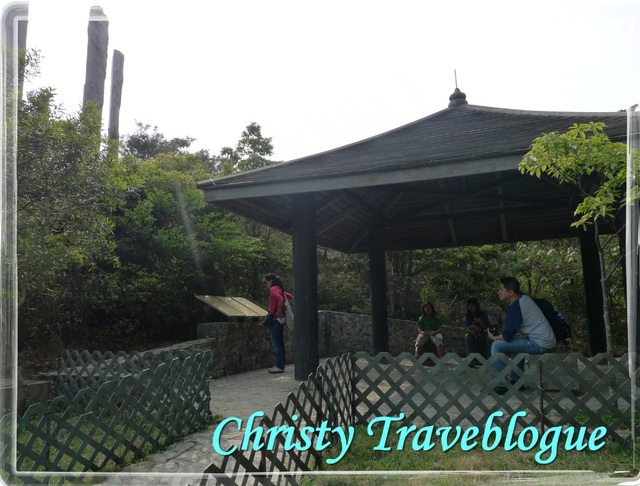
There is a hut nearby for a short break/rest before making your way out.
Image Hosted by PicturePush - Photo Sharing

Also, if you are into hiking up the second highest point in Hong Kong, you can consider starting from here to Lantau Peak.
Image Hosted by PicturePush - Photo Sharing
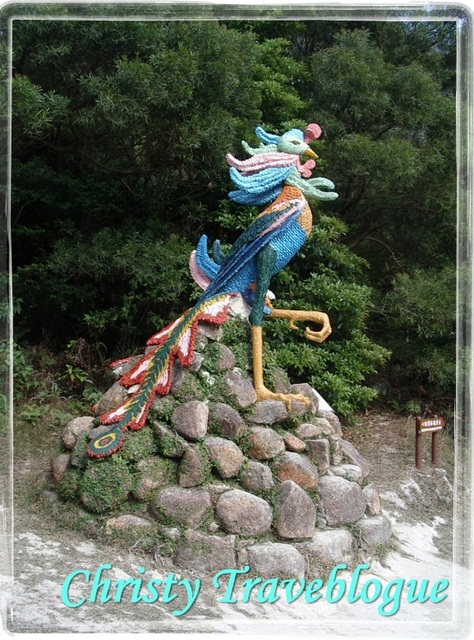
I am sure this is a fantastic place to watch the sunrise, as it was mentioned on the wooden signs next to the beautiful phoenix statue.
Image Hosted by PicturePush - Photo Sharing

I enjoyed words of wisdom like these, it makes one more whole on the inside as well as physically to be able to understand and to enjoy teachings that have been passed down for centuries.

It is a good thing that this sutra had been translated since the 3rd century A.D into Chinese (21 translations) and have made its way around the whole world; and was even preached daily by the holy men.
It is not easy to fully understand the sutra, I am sure, although it sounds easy from the translation, but for one to fully understand, one has to experience to truly say, they have seen it all :)

I did feel wiser, now after trekking the Wisdom Path, did you? ;)
Protected by Copyscape Online Plagiarism ToolProtected by Copyscape Online Plagiarism Tool