Showing posts with label Hills. Show all posts

Wednesday, November 23, 2011

Nature view from Mount Faber

Image Hosted by PicturePush - Photo Sharing
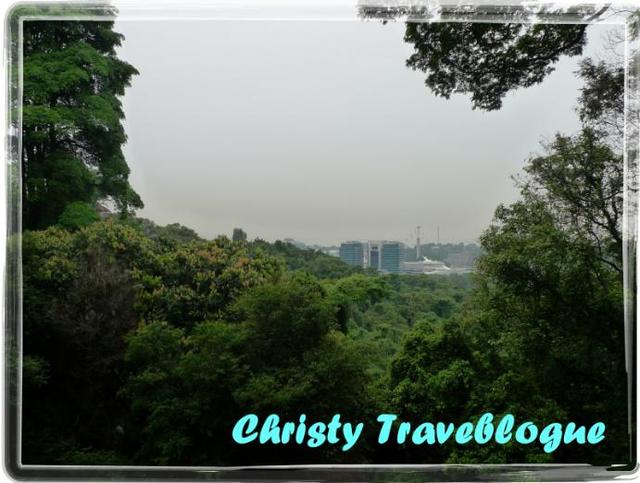
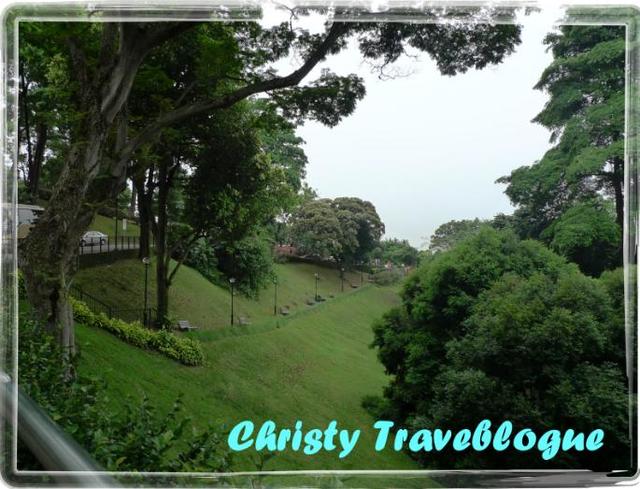
Nestled among the busy hustle bustle of the advanced city of Singapore is the natural spread of lush greenery on a hilly areal.
Perhaps the greenery and natural park may be an ordinary scene from another place, but in Singapore, an ever booming city and where land is scarce, this is indeed a jewel and it is no wonder this is such a popular place among the busy city dwellers taking a break from the traffic on weekends.

Despite the scarcity of land in the Lion City, I was still amazed and also impressed with the efforts made by the government to maintain the natural greenery inside and outside the city.
It goes to show that nature is not to be traded with the advancement of technology.
Image Hosted by PicturePush - Photo Sharing

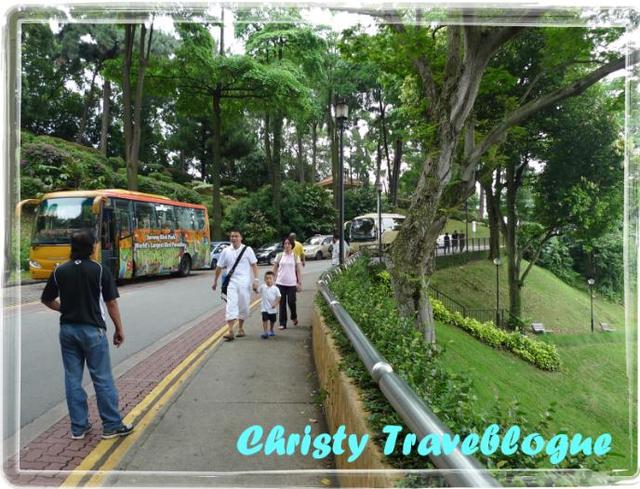
I spent a short while here at the park, before I was due to board my plane back to my country, and I was just so taken by the serenity of the area surrounded by trees of hundreds of years of age.
Image Hosted by PicturePush - Photo Sharing
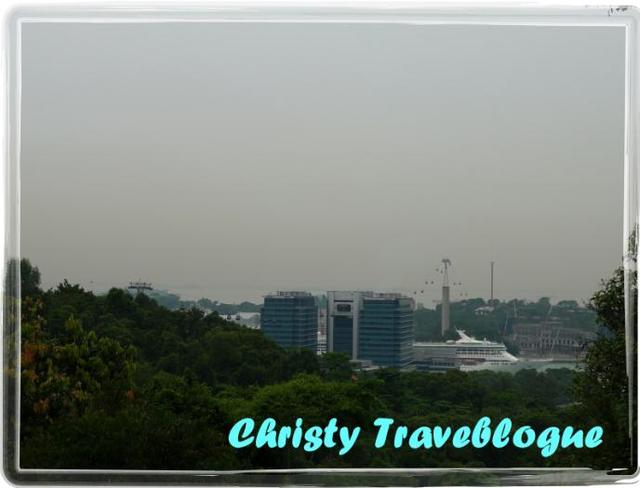
As I was enjoying my walk around the park, I caught glimpse of the city skyscrapers lining the background.

I would have loved to take a longer walk around the park had I the time, but I would love to come back sometime to enjoy the beautiful view and tranquility of nature.
Looking at the crowd which includes families, couples and tour buses, I am definitely not the only one who thinks this way.
Image Hosted by PicturePush - Photo Sharing

Friday, May 6, 2011

The Peak (Victoria Peak) during the Day

The Peak is one of the most popular attraction on Hong Kong island; being a natural landmark set atop the hill.
Formally known as Victoria Peak, it is more fondly referred to as The Peak or San Teng (peak of mountain in Cantonese) by the locals.

This is home to one of the most aspiring and sought after residences in Hong Kong, and most of the Hongkies dream to build their homes here. While The Peak is viewed as a promising home to the locals; the tourists are here to enjoy the magnificent view of the city in entirety, as The Peak offers one of the most picturesque vista of the country at a glance.
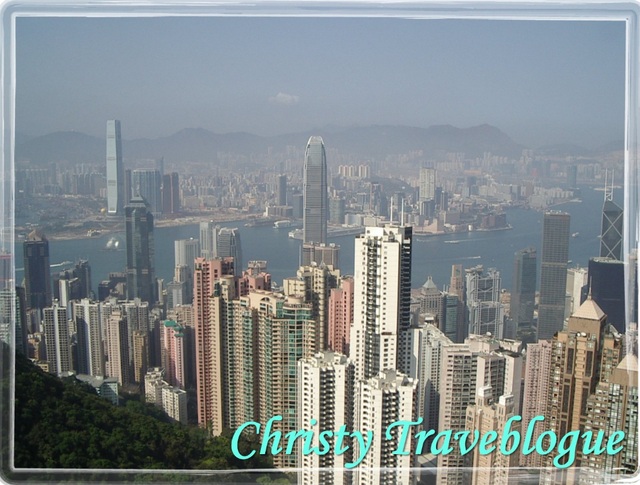
Image Hosted by PicturePush - Photo Sharing

To get to the top of the Peak, one must board the funicular train, also known as the Peak Tram, which ferries passengers from the station below all the way to the top. This funicular train is one of the only two in the world, and the other train resides on Penang Island in Malaysia (Penang Hill).
The Peak Tram was initially built as the mode of transportation for the residents on the Peak; mainly the British, who during the colonization period sought a higher location to avoid the low malaria infested areas, and were often carried on sedan chairs all the way to the top.
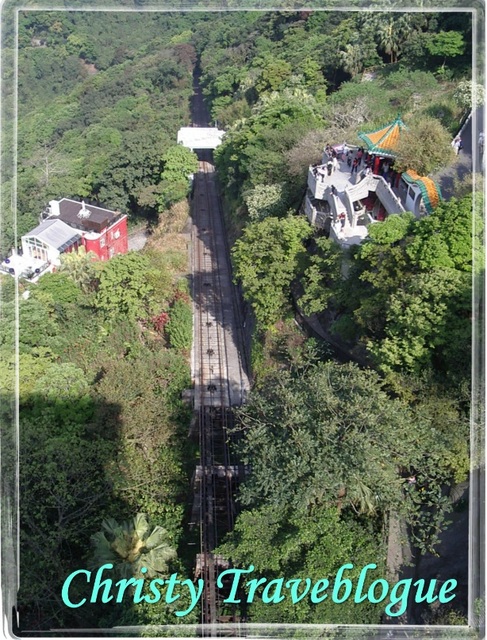
Image Hosted by PicturePush - Photo Sharing
(The British were considered the affluent ones during that period, and therefore staying in an area where they reside would define an elevation in one's social and wealth status).

The Peak Tram started its operation in 1888, and could accommodate 72 passengers (along with its solo driver). There are only two trains which make the trip back and forth to send passengers between the Peak Terminus and the Garden Road terminus below.
The whole trip would only last about 7-8 minutes and along the way, you could peek into the residences of the affluent society.
(Photos of the Peak Tram can be viewed in my 2007 trip here)

The Peak Tram has one more feather to add to its cap; as it has never had a single accident since the commencement of its operation and that is an indication of great engineering teamed with proper maintenance.

There are two options to enjoy the view on The Peak; during the day or the night as both provide a different perspective.
On clear days, and if you are lucky, you could enjoy an excellent view of Hong Kong and you could test your eyesight by spotting the mainland China at the end.
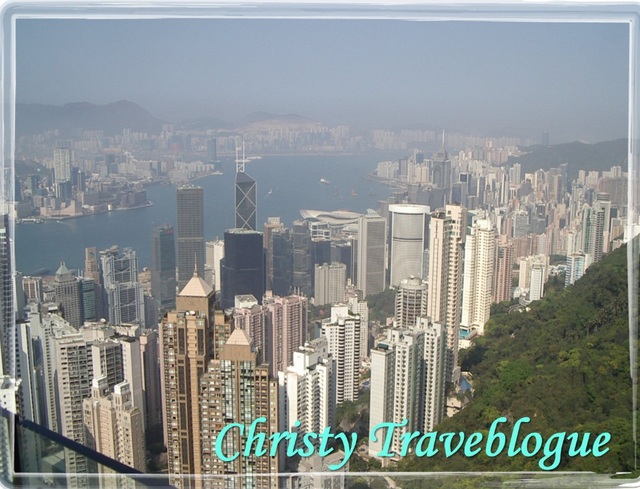
Image Hosted by PicturePush - Photo Sharing

At night, sometimes it could be foggy and hence the view could be blurred - refer to my previous trip to the Peak here, where I was unlucky to encounter a foggy night and the scenery was a blur on my camera and in reality)

There is always a queue to board the train, whatever time of the day you choose to go to The Peak, and it is no wonder as the Peak welcomes at least 7 million tourists in a year.
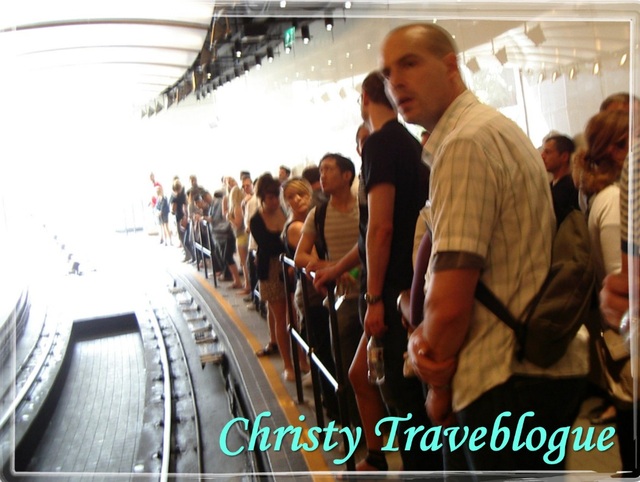
Image Hosted by PicturePush - Photo Sharing
The trams operate from 7am onwards until midnight and the trams arrive every 10-15 minutes.

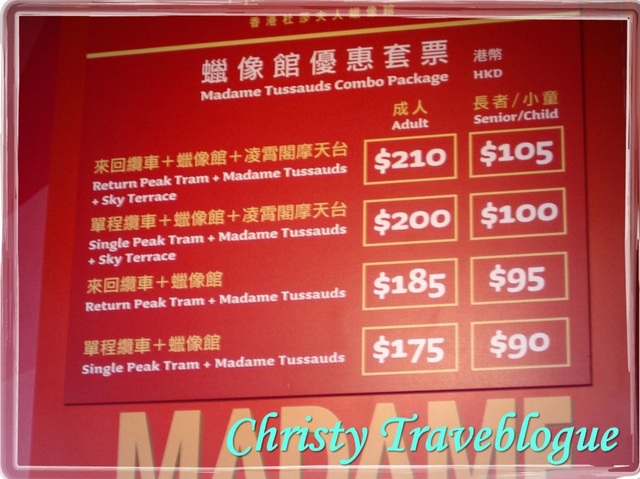
There are also several packages offered at the ticket counter; and there will be ongoing promotions from time to time (offers seen here may be different from offers on location), which include the ticket to the Madame Tussauds' Wax Musuem, Sky Terrace and the Peak Galleria.
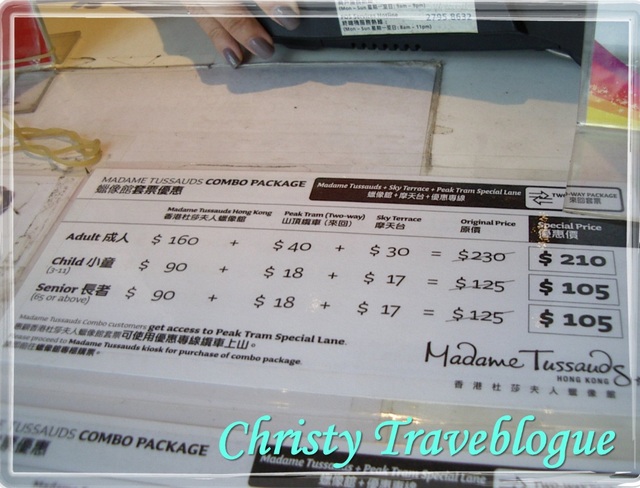
Image Hosted by PicturePush - Photo Sharing

The Sky Terrace is the observation point for the view, and you will be able to spot it once you exit from the Peak Tower.
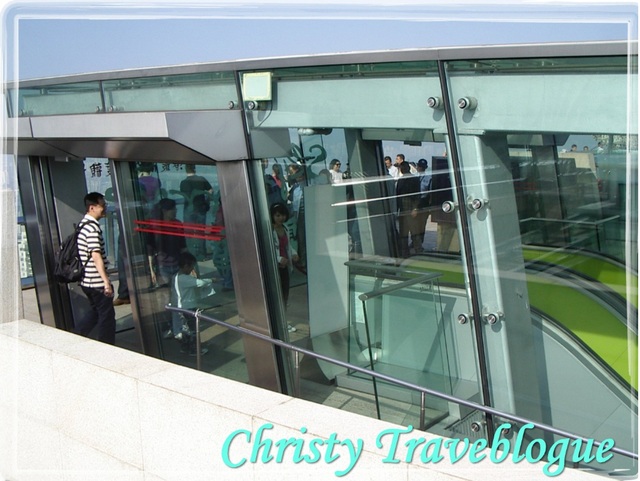
Image Hosted by PicturePush - Photo Sharing

Sky Terrace
Image Hosted by PicturePush - Photo Sharing

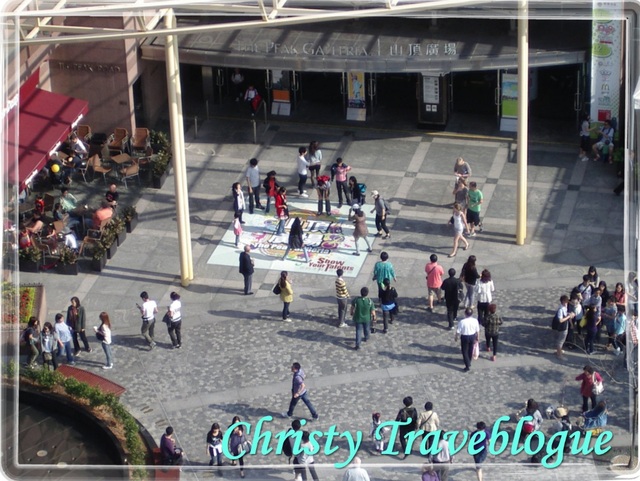
The Peak Galleria
Image Hosted by PicturePush - Photo Sharing

The Peak Tower and the Peak Galleria are the two shopping centres located adjacent to each other, and house souvenir shops and cafes/restaurants within them.

Another attraction on the Peak besides the view and the shopping is the famous Madame Tussauds' Wax Museum located inside the Peak Tower.
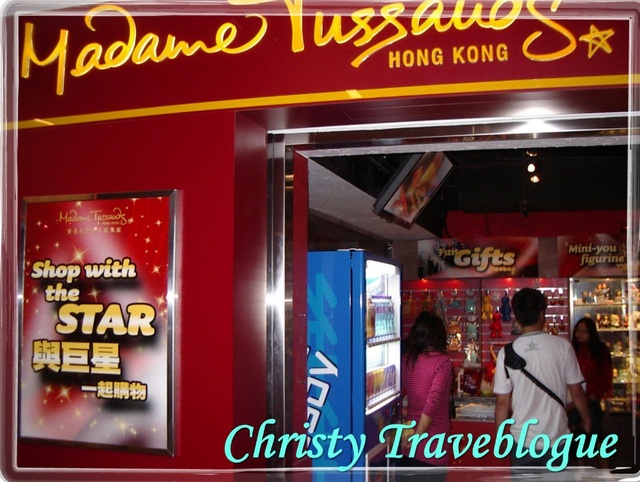
Image Hosted by PicturePush - Photo Sharing

Entrance fee is charged for the museum and tickets can be bought at the counter outside the museum.
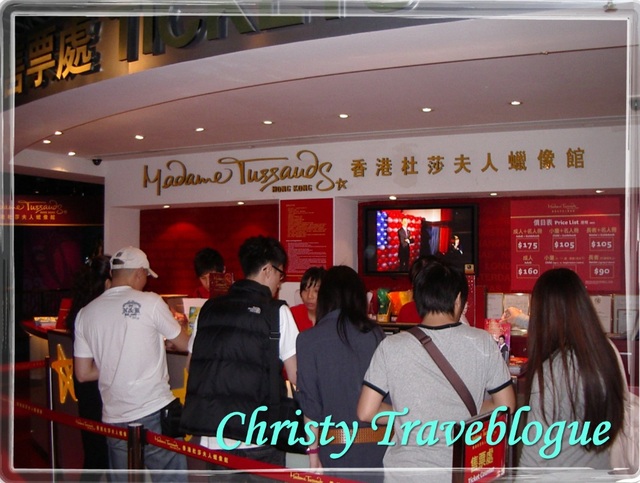
Image Hosted by PicturePush - Photo Sharing

The wax museum belongs to an international chain of museum with the same name, founded by Madame Marie Tussaud of France.
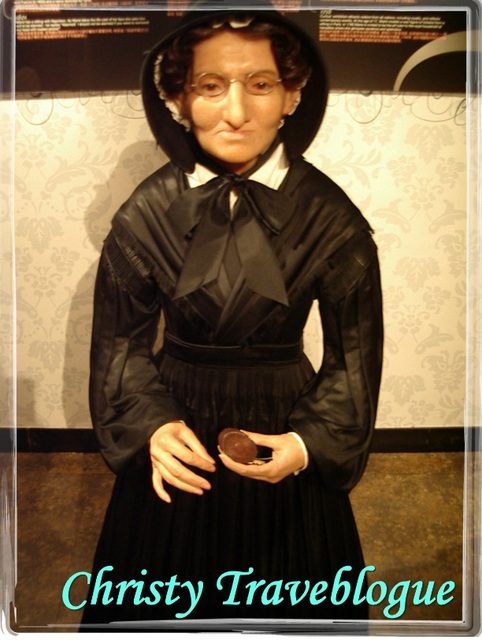
Image Hosted by PicturePush - Photo Sharing
A wax figure in honor of the founder, Madame Marie Tussaud

Similar to the Peak Tram, this is again another one of two museums of the same kind in Asia; with the other in Shanghai.
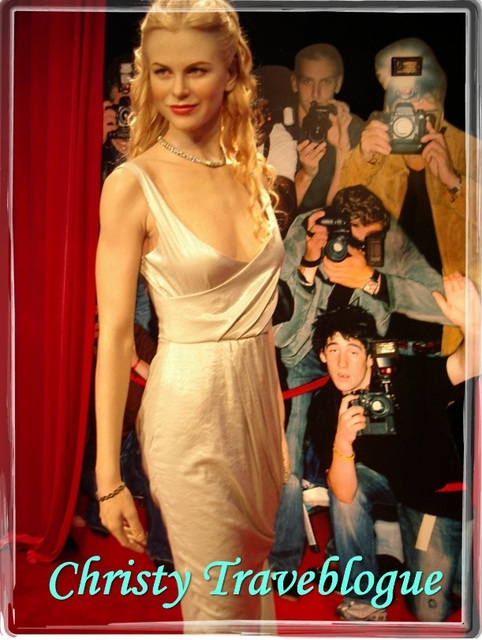
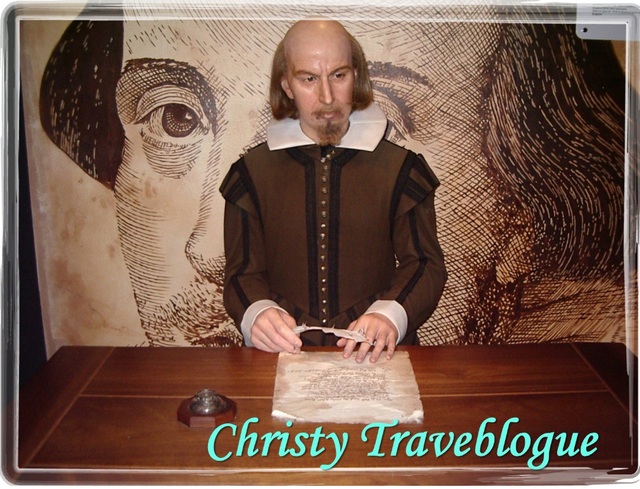
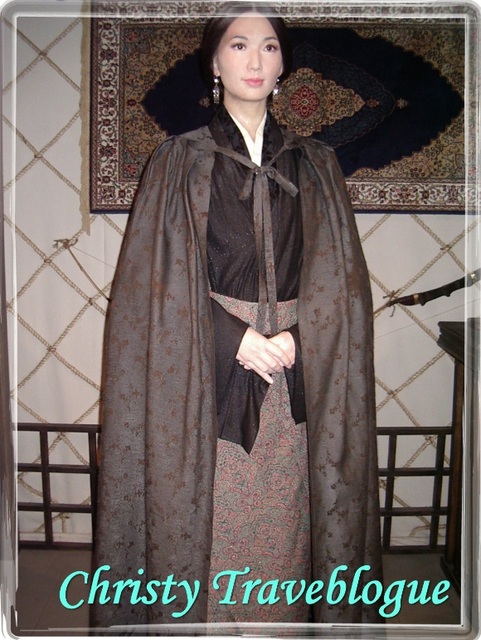
The name suggests the nature of the museum, which houses wax statues made to resemble famous and worldwide personalities from politics, entertainment, science, arts and literature, etc.
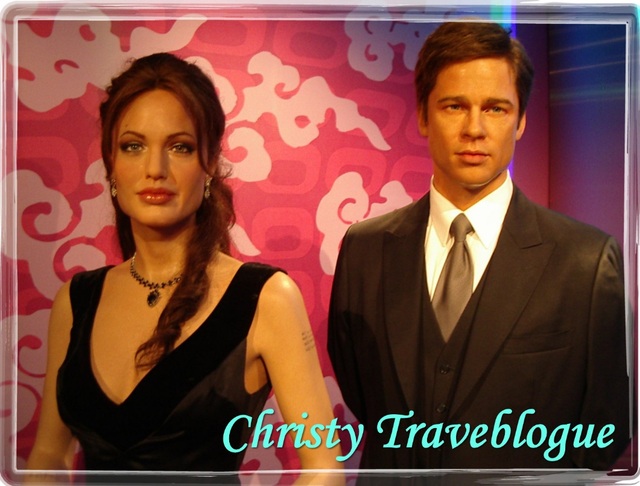
Image Hosted by PicturePush - Photo Sharing

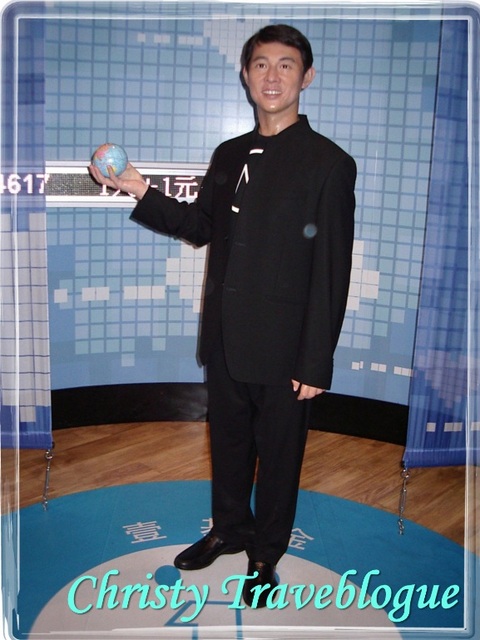
This Museum in Hong Kong contains more of the Asian celebrities/TV personalities (majority from Hong Kong) which make up more than a third of the statues.
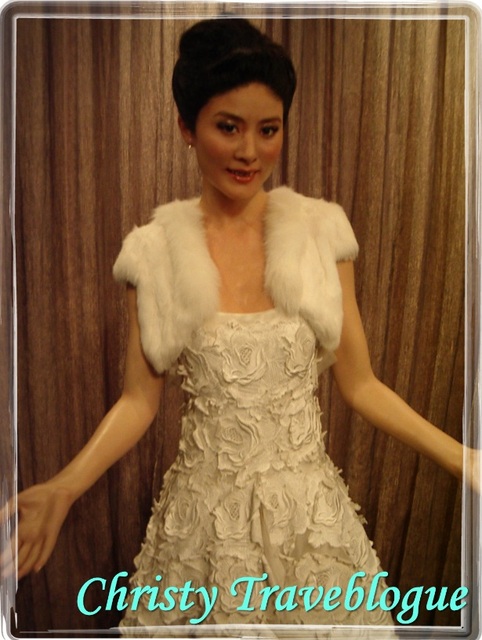
Image Hosted by PicturePush - Photo Sharing

Statues may be added from time to time; as with the new figures in the various industries.
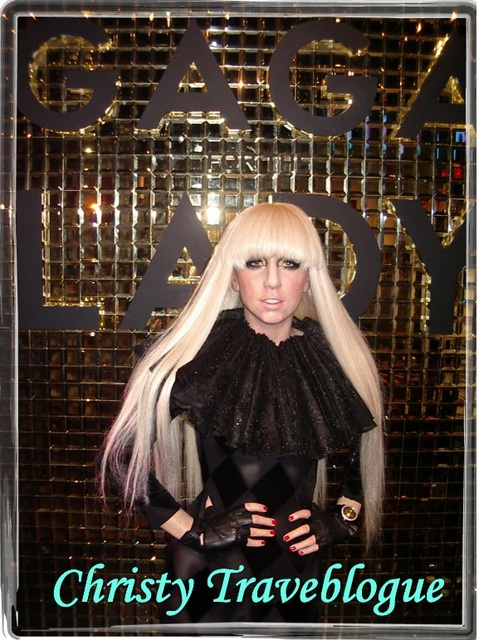
Image Hosted by PicturePush - Photo Sharing

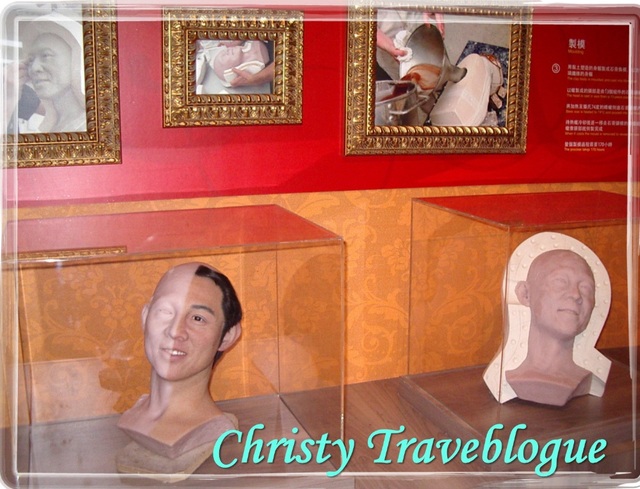
There is even a display section on the making process of the statues.
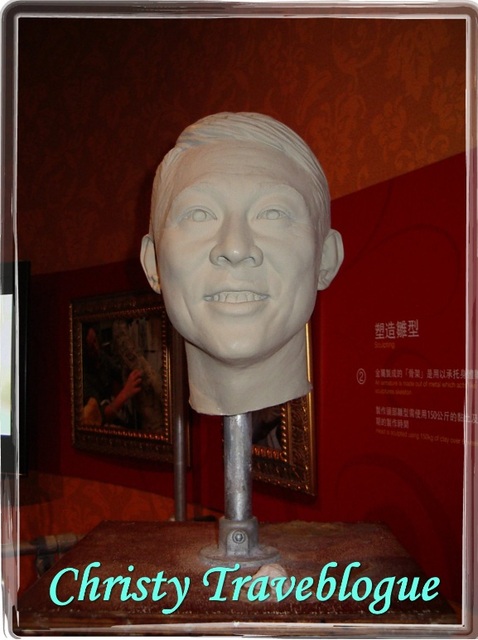
Image Hosted by PicturePush - Photo Sharing

The result
Image Hosted by PicturePush - Photo Sharing

It is an enjoyable, not to mention entertaining tour around the museum, which adds to the itinerary on The Peak. Be prepared to spend at least four hours on the Peak, including Madame Tussauds.

There was once a saying, "If you have never been to the Peak, you have never been to Hong Kong"
Take a trip up to the Peak, and judge for yourself :)
Tuesday, July 21, 2009

Rome: Palatine Hill

When you purchase the ticket to the Colosseum, you will also get the entrance pass to the Palatine Hill nearby.
Do be prepared to spend an entire day in this area; as the area is just large and be ready for lots of walking!

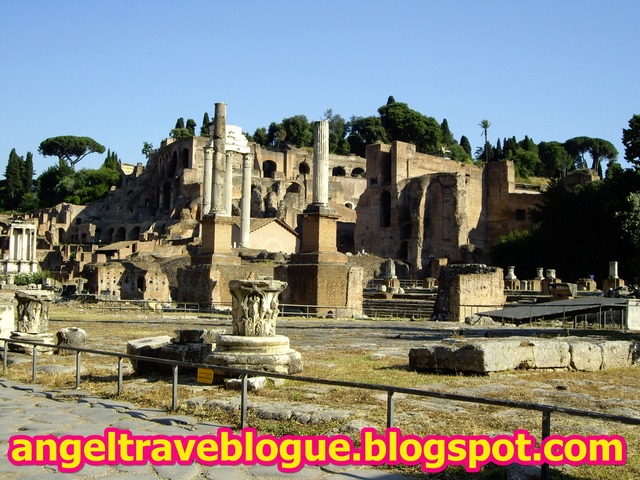
The Palatine Hill is situated right above the Colosseum area; and you should be able to see it when you pass through the Arch of Constantine.
Image Hosted by PicturePush - Photo Sharing

Image Hosted by PicturePush - Photo Sharing

Wikipedia:
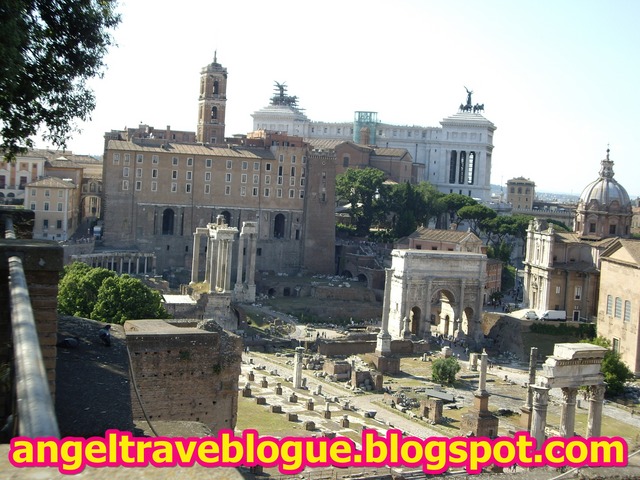
The Palatine Hill (Latin: Collis Palatium or Mons Palatinus) is the centermost of the Seven Hills of Rome and is one of the most ancient parts of the city. It stands 40 metres[1] above the Forum Romanum, looking down upon it on one side, and upon the Circus Maximus on the other.

It is the etymological origin of the word "palace" and its cognates in other languages (Italian "Palazzo", French "Palais" etc).


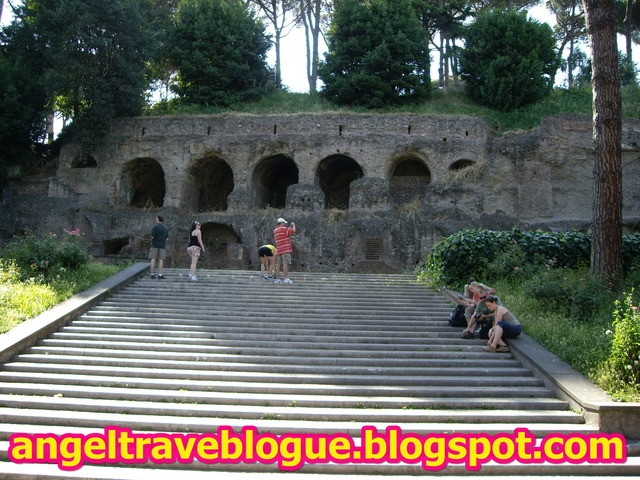
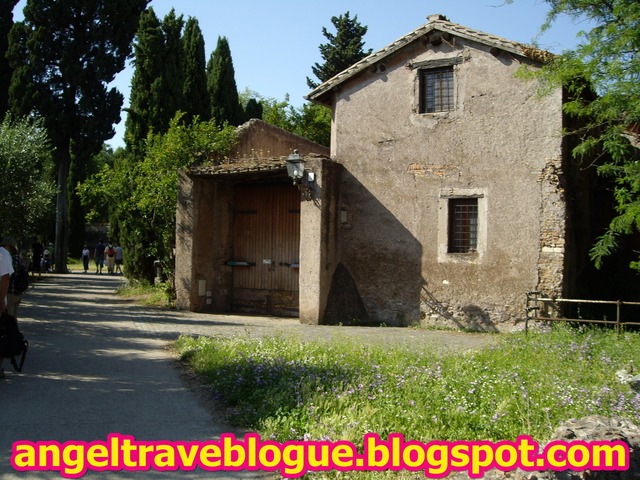
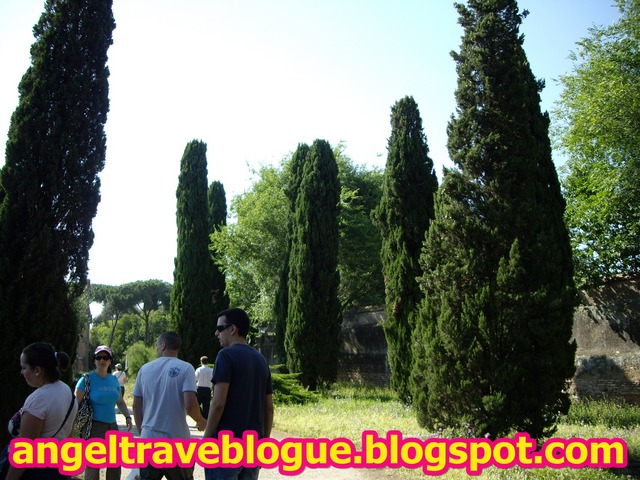
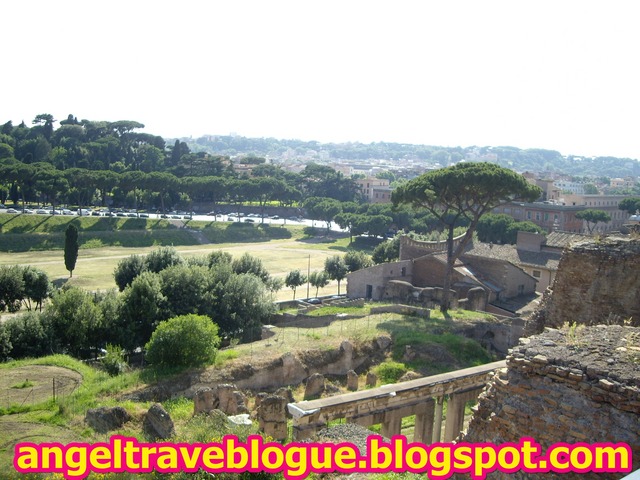
Upon passing the entrance, you will feel like you are walking through any park; as you will be greeted by gardens and steps leading to higher ground all over the place.
Image Hosted by PicturePush - Photo Sharing

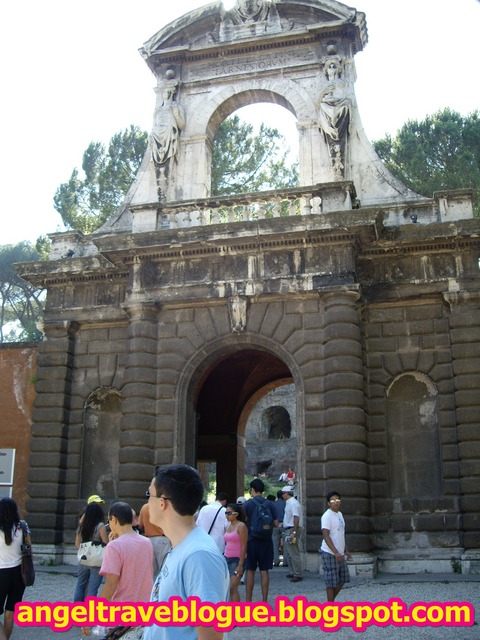
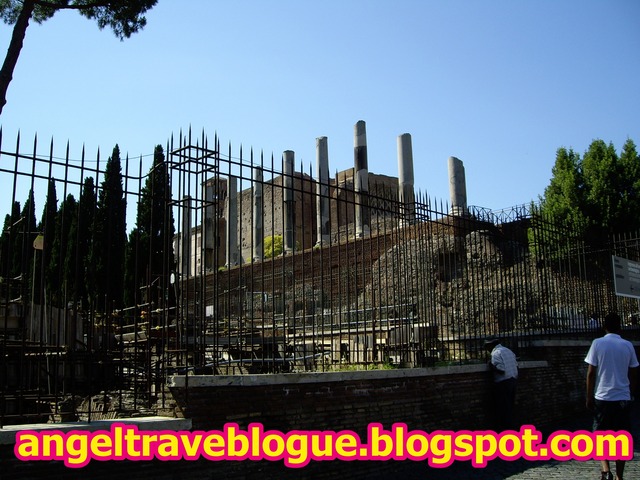
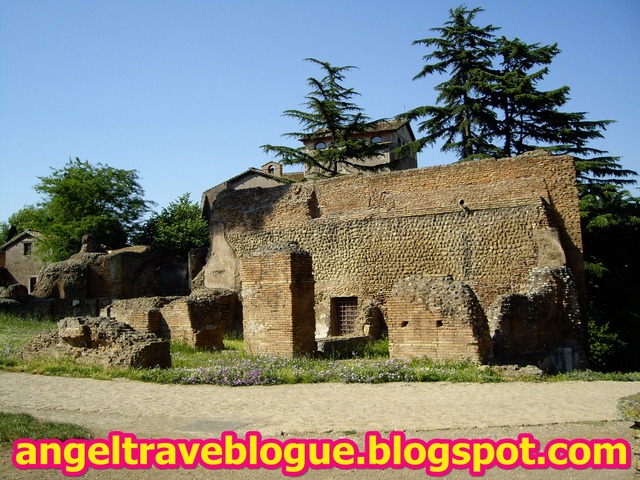
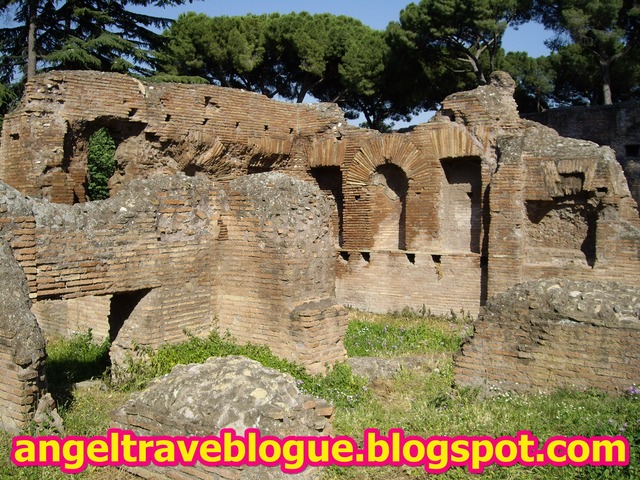
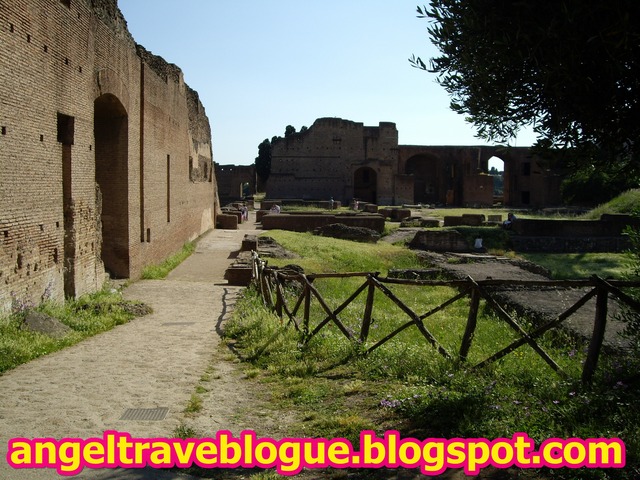
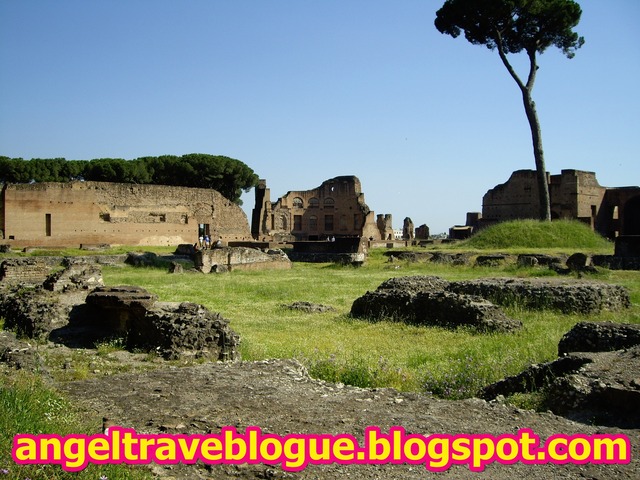
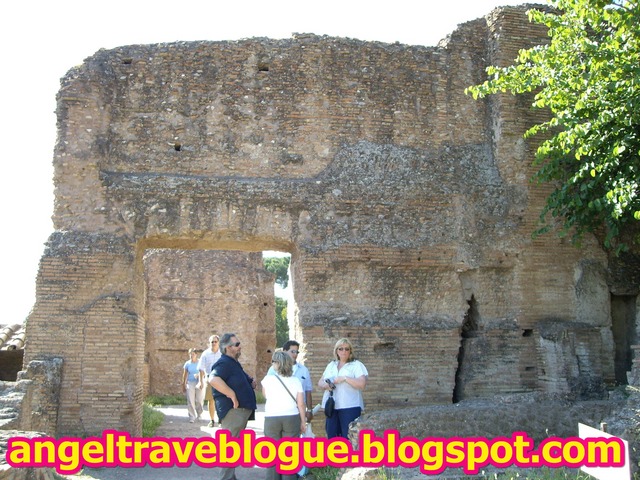
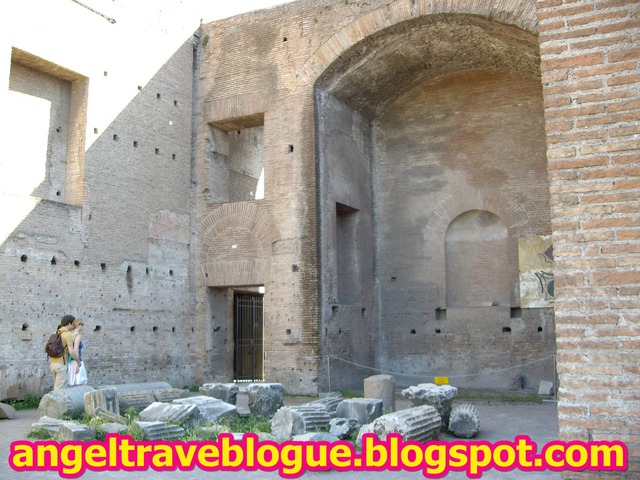
At the same time, you will be able to spot buildings and ruins along the way
Image Hosted by PicturePush - Photo Sharing

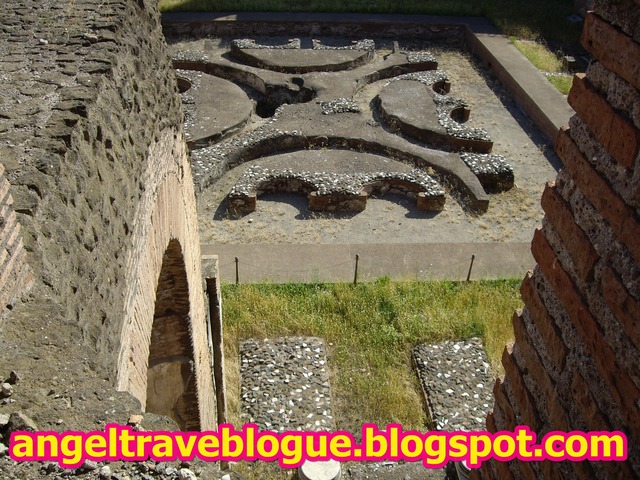
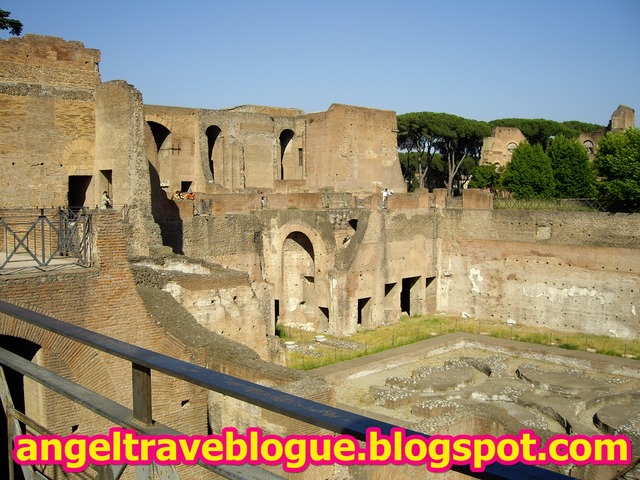
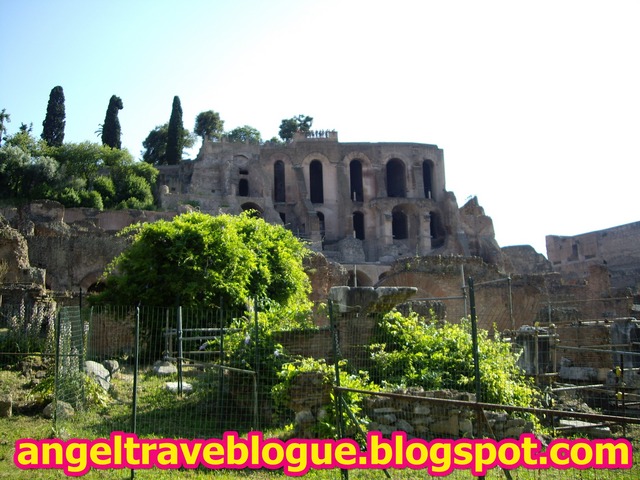
Wikipedia also states that there is a Flavian palace built on this ground; and indeed as you make your way through the huge grounds, you will see that it has the roadmap of a castle ground.

Wikipedia:
One building, believed to be the residence of Livia (58 BC – 29), the wife of Augustus, is currently undergoing renovation. Situated near to the house of Livia is the temple of Cybele, currently not fully excavated and not open to the public. Behind this structure, cut into the side of the hill, is the so-called House of Tiberius.

Overlooking the Forum Romanum is the Flavian Palace which was built largely during the reign of the Flavian dynasty (69 – 96) – Vespasian, Titus and Domitian. This palace, which was extended and modified by several emperors, extends across the Palatine Hill and looks out over the Circus Maximus. The building of the greater part the palace visible from the Circus was undertaken in the reign of the emperor Septimius Severus (146 – 211).

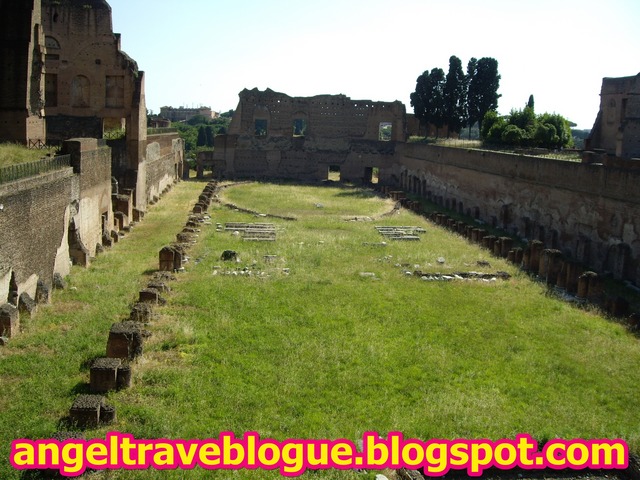
Immediately adjacent to the palace of Severus is the Hippodrome of Domitian. This is a structure which has the appearance of a Roman Circus and whose name means Circus in Greek, but is too small to accommodate chariots. It can be better described as a Greek Stadium, that is, a venue for foot races. However, its exact purpose is disputed. While it is certain that during the Severan period it was used for sporting events, it was most likely originally built as a garden shaped like a stadium. According to a guide from the Sopraintendenza Archeologica di Roma, most of the statuary in the nearby Palatine museum comes from the Hippodrome. (Domitian also built a larger stadium that was actually used for foot-racing competitions; it exists today as Piazza Navona, lo stadio di Domiziano.)

The Palatine Hill, and the Roman Forum beneath it, is now a large open-air museum and can be visited on the same ticket as the Colosseum. The entrance is on Via di San Gregorio, the street just beyond the Arch of Constantine, going away from the Colosseum.


Image Hosted by PicturePush - Photo Sharing

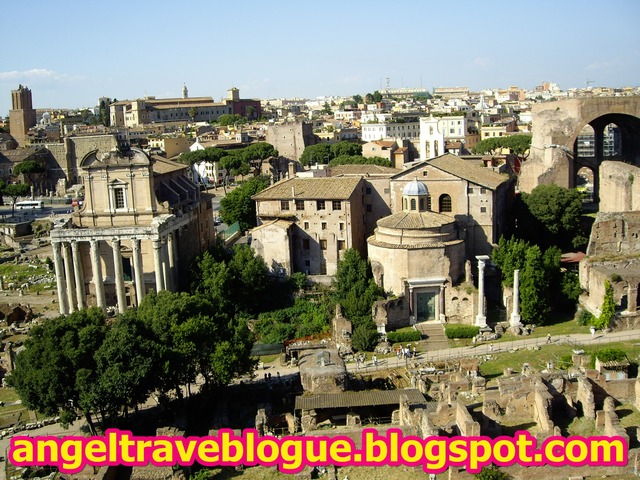
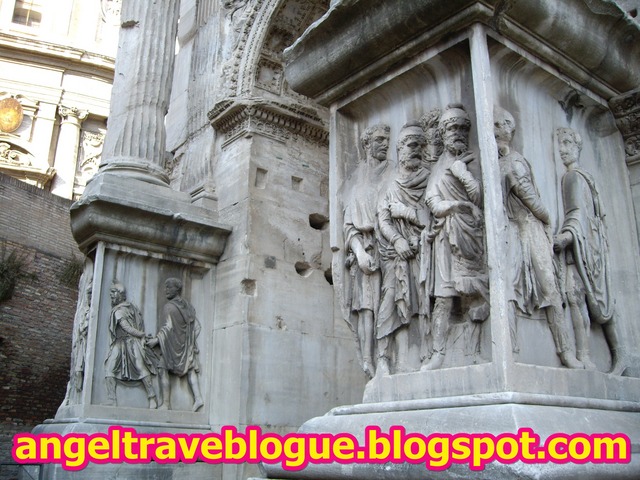
From the top of the hills, you can also enjoy a great view of the structures below; including the Arch and a glimpse of the town
Image Hosted by PicturePush - Photo Sharing

It was indeed a tiring walk over this whole area; in fact, this whole place is linked to the adjoining Pantheon (featured in Dan Brown's Angels and Demons).
It was not as near as it seems, and trust me, after the walks through this place, you will be exhausted to no end!
Image Hosted by PicturePush - Photo Sharing

How lovely it is to see even the ruins of the mighty Roman Empire; which rung so loud in our history books!
Image Hosted by PicturePush - Photo Sharing
Stories were told of great and brave warriors, emperors and the historical events which were all related to this great kingdom; in awe by all around the world.

Image Hosted by PicturePush - Photo Sharing

To me, it was like a dream come true to have stepped onto Roman soil and to see for myself the grand structures which I have come to read and seen so much in books; now in reality!
Protected by Copyscape Online Plagiarism ToolProtected by Copyscape Online Plagiarism Tool